
 EN
EN
 AR
AR BG
BG HR
HR CS
CS DA
DA NL
NL FI
FI FR
FR DE
DE EL
EL HI
HI IT
IT JA
JA KO
KO NO
NO PL
PL PT
PT RO
RO RU
RU ES
ES SV
SV TL
TL IW
IW ID
ID LT
LT UK
UK SQ
SQ HU
HU TH
TH TR
TR FA
FA AF
AF CY
CY MK
MK LA
LA MN
MN KK
KK UZ
UZ KY
KY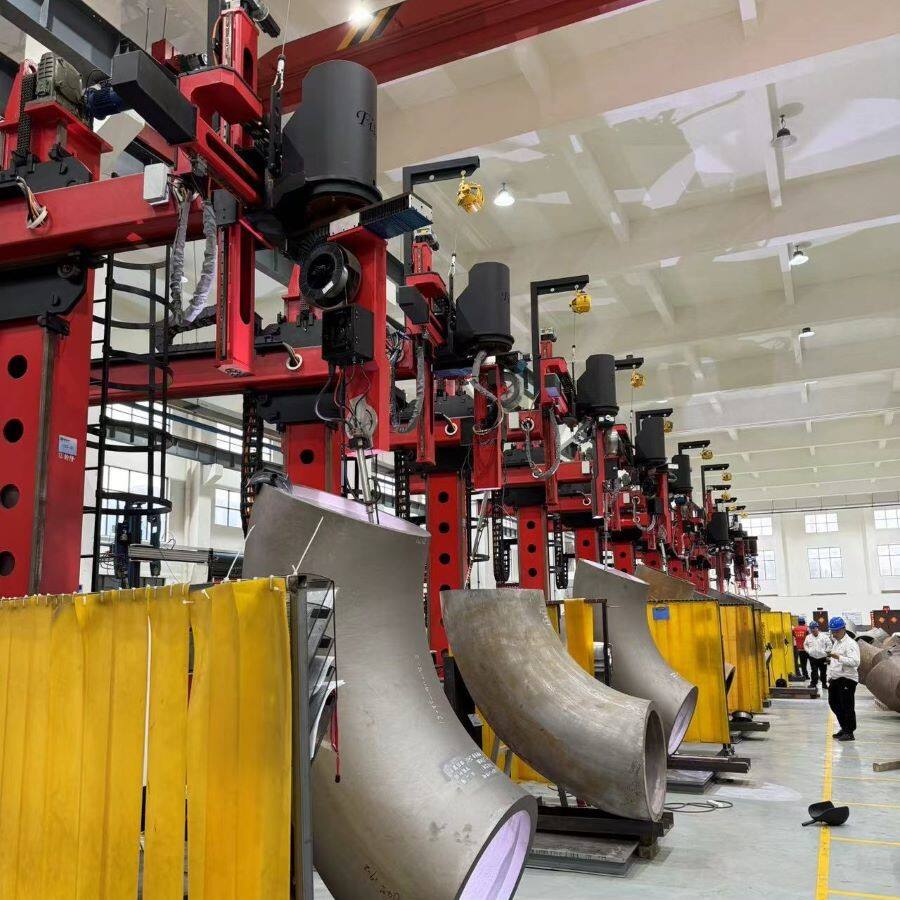
In the demanding world of industrial manufacturing, protecting metal surfaces from corrosion remains one of the most critical challenges facing engineers and fabricators today. TIG overlay cladding machines have emerged as the gold standard for creating durable, corrosion-resistant coatings that extend the service life of critical components across multiple industries. These sophisticated welding systems utilize tungsten inert gas technology to deposit precise layers of corrosion-resistant alloys onto base metals, creating a protective barrier that can withstand even the harshest operating environments.
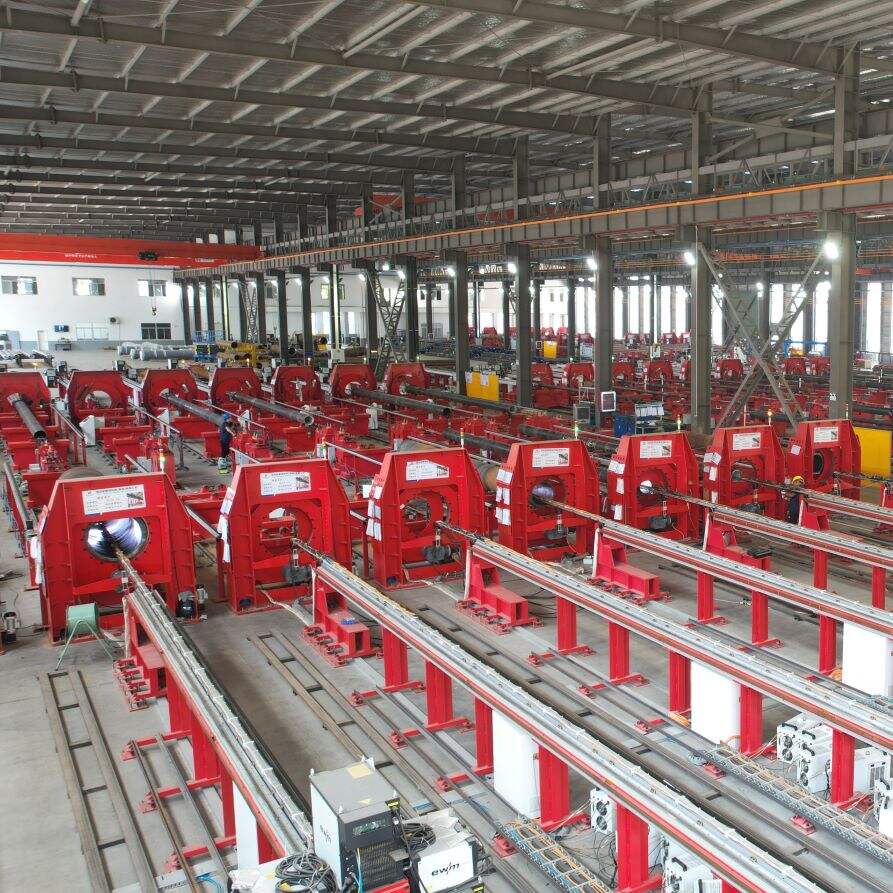
The precision and control offered by TIG overlay cladding machines make them indispensable for applications where coating quality directly impacts equipment reliability and operational safety. From offshore oil platforms battling saltwater corrosion to chemical processing plants handling aggressive media, these machines deliver consistent results that traditional coating methods simply cannot match. The ability to deposit thin, uniform layers while maintaining excellent metallurgical bonding ensures that the cladding becomes an integral part of the substrate rather than just a surface treatment.
Understanding TIG Overlay Cladding Technology
Fundamental Principles of TIG Cladding
TIG overlay cladding machines operate on the principle of electric arc welding, where a non-consumable tungsten electrode creates an arc between the electrode and the workpiece. This process generates intense heat that melts both the cladding material and a thin layer of the base metal, creating a metallurgical bond that ensures excellent adhesion and corrosion resistance. The inert gas shield, typically argon or helium, protects the weld pool from atmospheric contamination, resulting in clean, high-quality deposits.
The controlled heat input characteristic of TIG overlay cladding machines allows operators to precisely manage the dilution ratio between the cladding material and base metal. This control is crucial for maintaining the desired chemical composition and corrosion resistance properties in the final coating. Unlike other welding processes that may introduce impurities or create excessive heat-affected zones, TIG cladding maintains the integrity of both the substrate and overlay material throughout the deposition process.
Advanced Control Systems and Automation
Modern TIG overlay cladding machines incorporate sophisticated control systems that enable precise parameter adjustment and process monitoring throughout the cladding operation. These systems can automatically adjust arc voltage, travel speed, and wire feed rate to maintain consistent bead geometry and optimal metallurgical properties. The integration of programmable logic controllers and human-machine interfaces allows operators to store welding procedures and replicate them across multiple components with exceptional repeatability.
The automation capabilities of contemporary TIG overlay cladding machines extend beyond basic parameter control to include adaptive welding systems that can respond to real-time variations in joint geometry or material properties. Advanced sensors monitor arc characteristics, bead profile, and thermal conditions, automatically adjusting process parameters to maintain optimal cladding quality. This level of automation significantly reduces the skill requirements for operators while improving consistency and productivity in high-volume production environments.
Applications Across Critical Industries
Oil and Gas Sector Requirements
The oil and gas industry represents one of the largest markets for TIG overlay cladding machines due to the extreme corrosive environments encountered in upstream, midstream, and downstream operations. Pipelines, pressure vessels, and drilling equipment regularly face exposure to hydrogen sulfide, carbon dioxide, chlorides, and other aggressive chemicals that can rapidly degrade unprotected steel surfaces. TIG overlay cladding machines enable the application of corrosion-resistant alloys such as Inconel, Hastelloy, and duplex stainless steels to provide long-term protection in these challenging conditions.
Subsea applications present particularly demanding requirements where TIG overlay cladding machines must produce coatings capable of withstanding decades of exposure to seawater, high pressures, and temperature cycling. The precision control offered by these machines ensures that critical components such as wellhead equipment, manifolds, and flowlines receive uniform, defect-free cladding that meets stringent quality standards. The ability to apply multiple alloy types in different zones of the same component allows engineers to optimize corrosion protection while managing material costs effectively.
Chemical Processing and Power Generation
Chemical processing facilities rely heavily on TIG overlay cladding machines to protect reactor vessels, heat exchangers, and piping systems from corrosive process media. The ability to deposit thin, uniform layers of exotic alloys enables the use of carbon steel substrates with corrosion-resistant overlays, providing significant cost savings compared to solid exotic alloy construction. The excellent metallurgical bonding achieved through TIG cladding ensures that the protective layer remains intact even under thermal cycling and mechanical stress conditions common in chemical processing applications.
Power generation facilities, particularly those utilizing fossil fuels or geothermal energy, benefit from the corrosion protection provided by TIG overlay cladding machines. Boiler tubes, superheater headers, and turbine components exposed to high-temperature combustion gases and steam environments require specialized coatings to prevent oxidation and hot corrosion. The precise heat control possible with TIG overlay cladding machines allows the application of high-temperature alloys without degrading the mechanical properties of the base material, ensuring long-term reliability in critical power generation equipment.
Technical Advantages of TIG Cladding Systems
Metallurgical Benefits and Bond Quality
TIG overlay cladding machines produce superior metallurgical bonds compared to other coating application methods due to the controlled fusion process that occurs during deposition. The relatively low heat input and slow cooling rates associated with TIG welding minimize the formation of brittle intermetallic phases and reduce residual stresses in the cladding-substrate interface. This results in excellent adhesion and resistance to coating delamination even under severe service conditions involving thermal shock or mechanical loading.
The ability to achieve low dilution rates with TIG overlay cladding machines is particularly important when applying expensive corrosion-resistant alloys to carbon steel substrates. Typical dilution levels of 5-15% ensure that the surface chemistry of the cladding layer maintains its corrosion resistance properties while minimizing the consumption of costly alloy materials. This controlled dilution also prevents the formation of martensitic structures in the heat-affected zone that could compromise the integrity of the base material.
Surface Quality and Dimensional Precision
The superior surface finish achieved by TIG overlay cladding machines eliminates or significantly reduces the need for post-weld machining operations, resulting in substantial time and cost savings in component fabrication. The smooth, uniform bead profile characteristic of TIG cladding minimizes surface irregularities that could serve as initiation sites for localized corrosion or stress concentration. This inherent surface quality is particularly valuable in applications where the clad surface will be exposed to flowing media that could cause erosion-corrosion in rough surface areas.
Dimensional control capabilities of modern TIG overlay cladding machines enable precise thickness management across large surface areas, ensuring uniform corrosion allowances and predictable component life. Advanced position control systems maintain consistent standoff distances and travel speeds, resulting in uniform bead geometry and layer thickness even on complex curved surfaces. This level of precision is essential for maintaining design tolerances in critical components where coating thickness variations could affect flow characteristics or stress distributions.
Process Optimization and Quality Control
Parameter Development and Welding Procedures
Successful implementation of TIG overlay cladding machines requires comprehensive procedure development that considers base material properties, cladding alloy characteristics, and intended service conditions. Welding procedure specifications must address critical parameters including arc voltage, current settings, travel speed, wire feed rate, and shielding gas composition to achieve optimal metallurgical and corrosion resistance properties. The development process typically involves extensive testing and qualification to demonstrate that the cladding meets all mechanical and corrosion resistance requirements.
TIG overlay cladding machines offer exceptional flexibility in parameter adjustment, allowing operators to fine-tune the process for specific material combinations and geometric configurations. The ability to independently control heat input and deposition rate enables optimization of both productivity and quality characteristics. Advanced machines incorporate weld monitoring systems that provide real-time feedback on process stability, enabling immediate corrective action when parameters drift outside acceptable ranges.
Inspection and Testing Methodologies
Quality assurance for components produced using TIG overlay cladding machines involves comprehensive inspection protocols that verify both the integrity of the cladding layer and the quality of the bond interface. Non-destructive testing methods including ultrasonic examination, liquid penetrant inspection, and magnetic particle testing are routinely employed to detect surface and subsurface defects that could compromise corrosion resistance. The smooth surface finish produced by TIG overlay cladding machines facilitates effective application of these inspection techniques.
Metallographic examination and chemical analysis play crucial roles in validating the performance of TIG overlay cladding machines by confirming proper dilution levels, microstructural characteristics, and chemical composition throughout the cladding thickness. Corrosion testing in simulated service environments provides additional validation that the cladding will perform as intended throughout its design life. The consistent results achievable with properly configured TIG overlay cladding machines minimize the variability in these test results, streamlining the qualification process for new applications.
Economic Benefits and Cost Considerations
Material Cost Optimization
TIG overlay cladding machines provide significant economic advantages by enabling the use of expensive corrosion-resistant alloys only where needed rather than throughout the entire component cross-section. This approach can reduce material costs by 60-80% compared to solid exotic alloy construction while providing equivalent corrosion protection. The precise control over deposition thickness possible with TIG overlay cladding machines ensures that minimum required cladding thicknesses are achieved without excessive material usage.
The low dilution characteristics of TIG overlay cladding machines maximize the effective utilization of expensive alloy materials by preserving their corrosion resistance properties in the final deposit. Higher dilution processes may require thicker cladding layers to compensate for the degradation of surface chemistry, increasing both material and labor costs. The ability to apply multiple thin layers with TIG overlay cladding machines provides additional flexibility in managing material costs while achieving desired performance characteristics.
Lifecycle Cost Analysis
The long-term economic benefits of utilizing TIG overlay cladding machines extend far beyond initial material savings to include reduced maintenance costs, extended service intervals, and improved equipment reliability. Components protected with properly applied TIG cladding typically demonstrate service lives 3-5 times longer than unprotected alternatives, significantly reducing replacement and maintenance costs over the equipment lifecycle. The predictable performance characteristics of TIG clad components also enable more accurate maintenance scheduling and inventory management.
TIG overlay cladding machines contribute to overall operational efficiency by minimizing unplanned downtime associated with corrosion-related failures. The superior bond quality and corrosion resistance provided by TIG cladding reduce the risk of catastrophic component failures that could result in production losses, environmental incidents, or safety hazards. These risk mitigation benefits often justify the investment in TIG overlay cladding machines even when initial costs exceed alternative protection methods.
Future Developments and Emerging Technologies
Advanced Automation and Robotics Integration
The evolution of TIG overlay cladding machines continues toward increased automation and integration with robotic systems to improve productivity and consistency while reducing operator skill requirements. Advanced robotic systems equipped with adaptive welding capabilities can automatically adjust torch position and welding parameters in response to real-time feedback from sensors monitoring arc characteristics and bead geometry. These developments promise to expand the application of TIG cladding to more complex geometries and higher-volume production scenarios.
Artificial intelligence and machine learning technologies are beginning to influence the development of next-generation TIG overlay cladding machines through predictive process control and automated defect detection systems. These smart welding systems can analyze historical data and real-time process measurements to optimize parameters for specific material combinations and geometric configurations. The integration of digital twin technology enables virtual testing and optimization of cladding procedures before actual production, reducing development time and improving first-pass quality rates.
Enhanced Materials and Alloy Development
Ongoing research in advanced materials is expanding the range of alloys suitable for application with TIG overlay cladding machines, including novel compositions designed specifically for extreme service environments. High-entropy alloys and nanostructured materials offer potential advantages in corrosion resistance and mechanical properties that could further extend the capabilities of TIG cladding technology. The precise control characteristics of TIG overlay cladding machines make them ideal platforms for evaluating and implementing these advanced materials in commercial applications.
Environmental considerations are driving the development of more sustainable cladding materials and processes that reduce the environmental impact of corrosion protection systems. TIG overlay cladding machines support these initiatives by enabling the use of recycled alloys and minimizing waste generation through precise material placement and minimal post-processing requirements. The long service life of components protected with TIG cladding also contributes to sustainability goals by reducing the frequency of component replacement and associated material consumption.
FAQ
What makes TIG overlay cladding machines superior to other cladding methods?
TIG overlay cladding machines offer superior control over heat input and deposition parameters compared to other welding processes, resulting in lower dilution rates, better metallurgical bonding, and smoother surface finishes. The inert gas protection ensures clean deposits free from atmospheric contamination, while the precise arc control enables consistent results across large surface areas. These advantages translate to better corrosion resistance, reduced post-processing requirements, and more predictable performance in service.
How do TIG overlay cladding machines ensure consistent coating thickness?
Modern TIG overlay cladding machines incorporate advanced position control systems and automated parameter adjustment to maintain consistent standoff distances, travel speeds, and deposition rates across the entire work surface. Real-time monitoring systems track bead geometry and layer thickness, automatically adjusting process parameters to compensate for variations in joint preparation or thermal conditions. Multi-pass overlapping strategies ensure uniform coverage even on complex geometries.
What types of base materials are compatible with TIG overlay cladding processes?
TIG overlay cladding machines can successfully deposit corrosion-resistant alloys onto a wide range of base materials including carbon steels, low-alloy steels, stainless steels, and even some non-ferrous alloys. The key requirement is that the base material must be weldable and have thermal expansion characteristics compatible with the cladding alloy. Proper preheating and post-weld heat treatment procedures may be necessary for some material combinations to prevent cracking or residual stress issues.
What maintenance requirements do TIG overlay cladding machines have?
TIG overlay cladding machines require regular maintenance of consumable components including tungsten electrodes, contact tips, and gas diffusers to maintain optimal arc characteristics and gas coverage. Power source calibration, wire drive system inspection, and cooling system maintenance are essential for consistent performance. The relatively simple mechanical design of TIG systems compared to other welding processes generally results in lower maintenance costs and higher equipment availability rates.
Table of Contents
- Understanding TIG Overlay Cladding Technology
- Applications Across Critical Industries
- Technical Advantages of TIG Cladding Systems
- Process Optimization and Quality Control
- Economic Benefits and Cost Considerations
- Future Developments and Emerging Technologies
-
FAQ
- What makes TIG overlay cladding machines superior to other cladding methods?
- How do TIG overlay cladding machines ensure consistent coating thickness?
- What types of base materials are compatible with TIG overlay cladding processes?
- What maintenance requirements do TIG overlay cladding machines have?