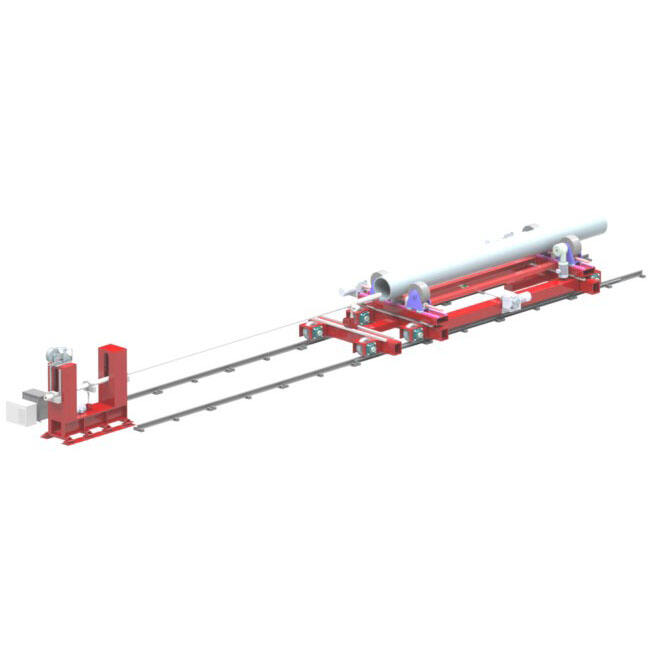
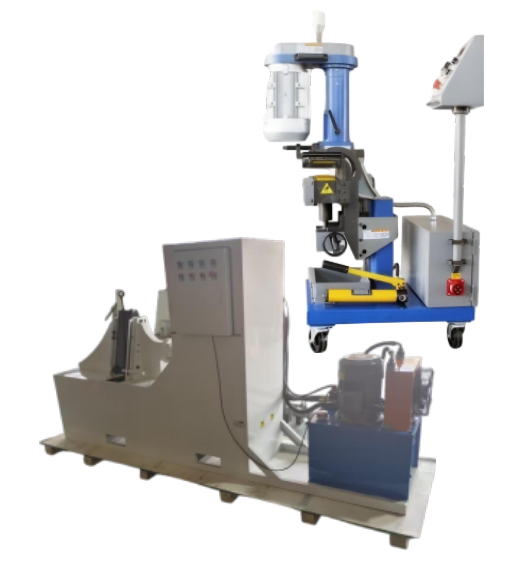
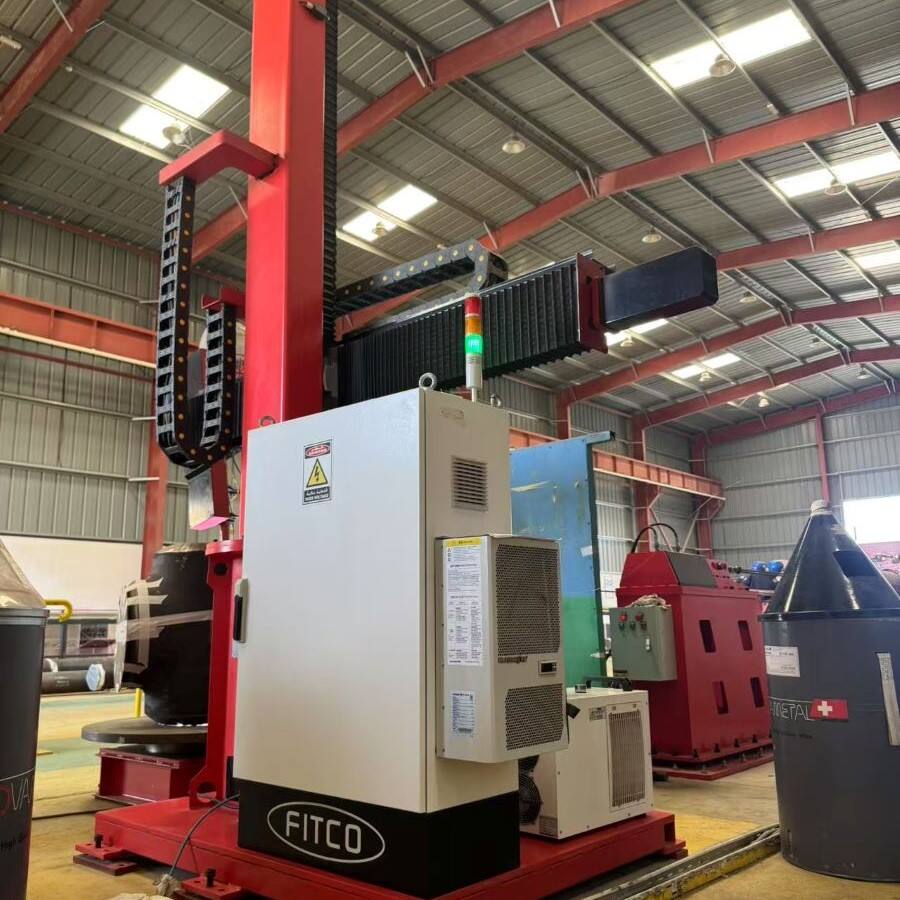
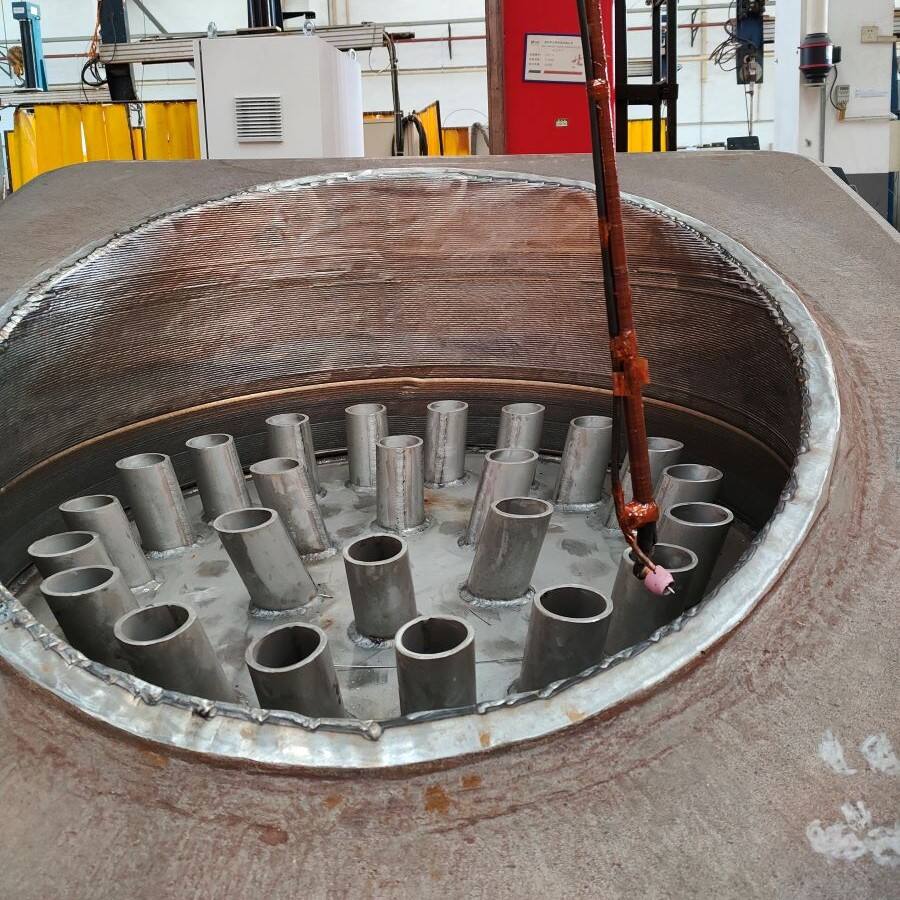
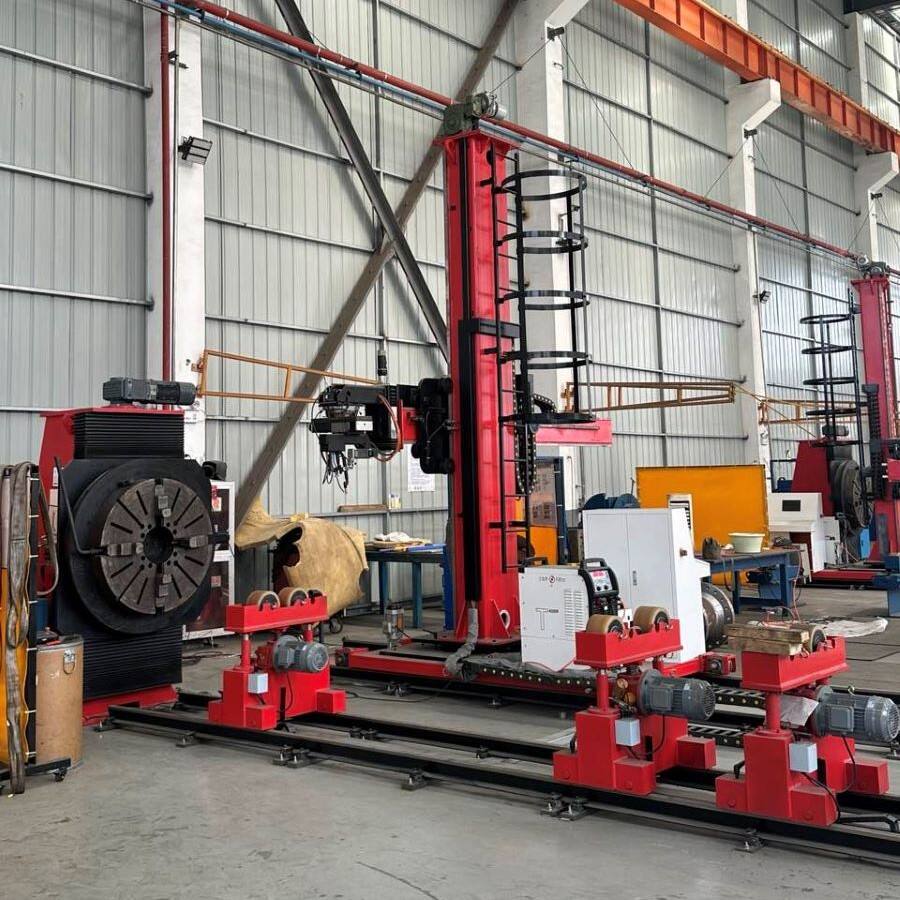
butt fusion welding machine
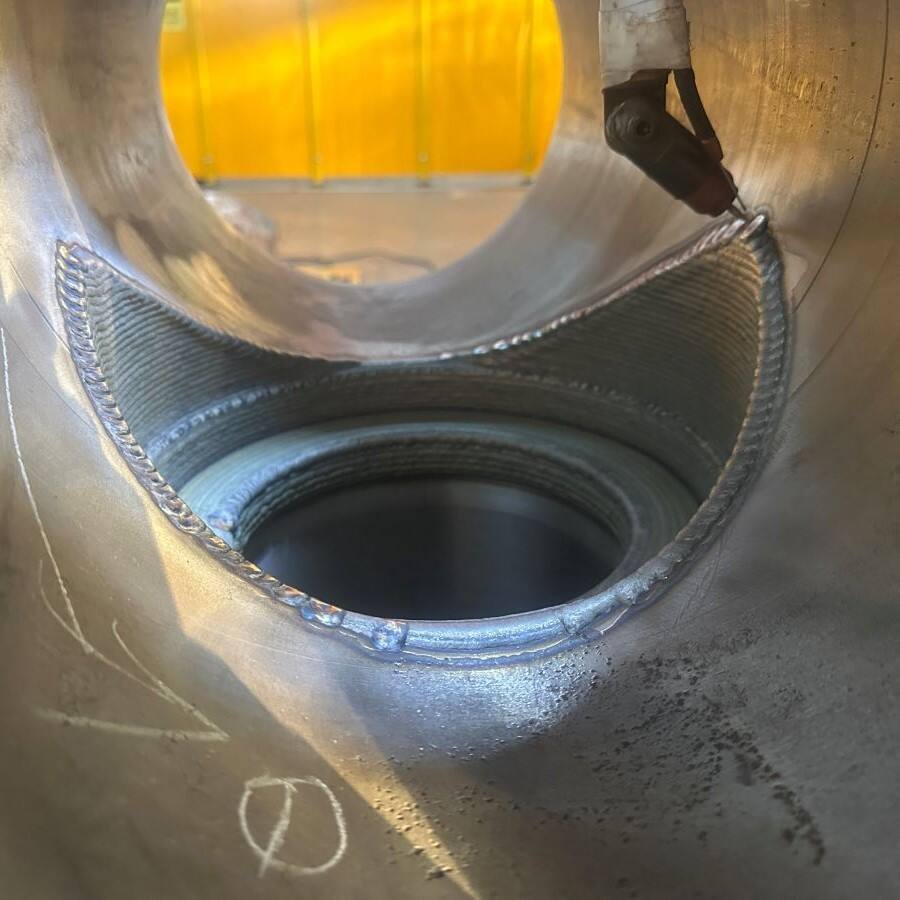
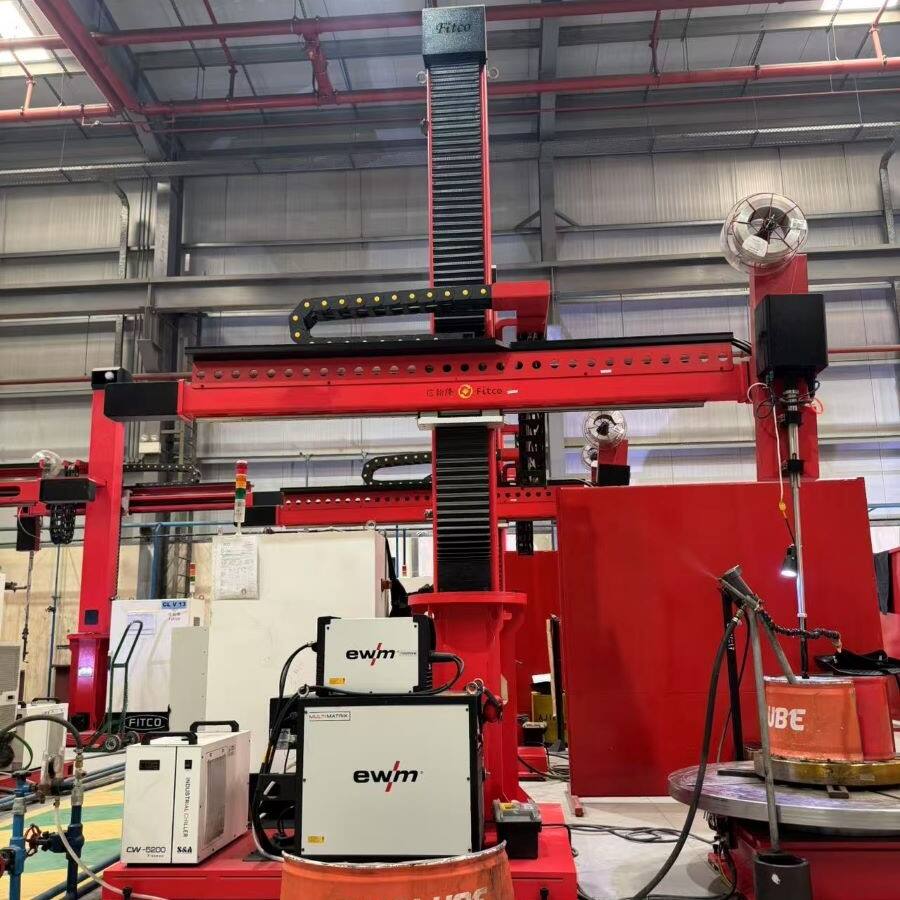
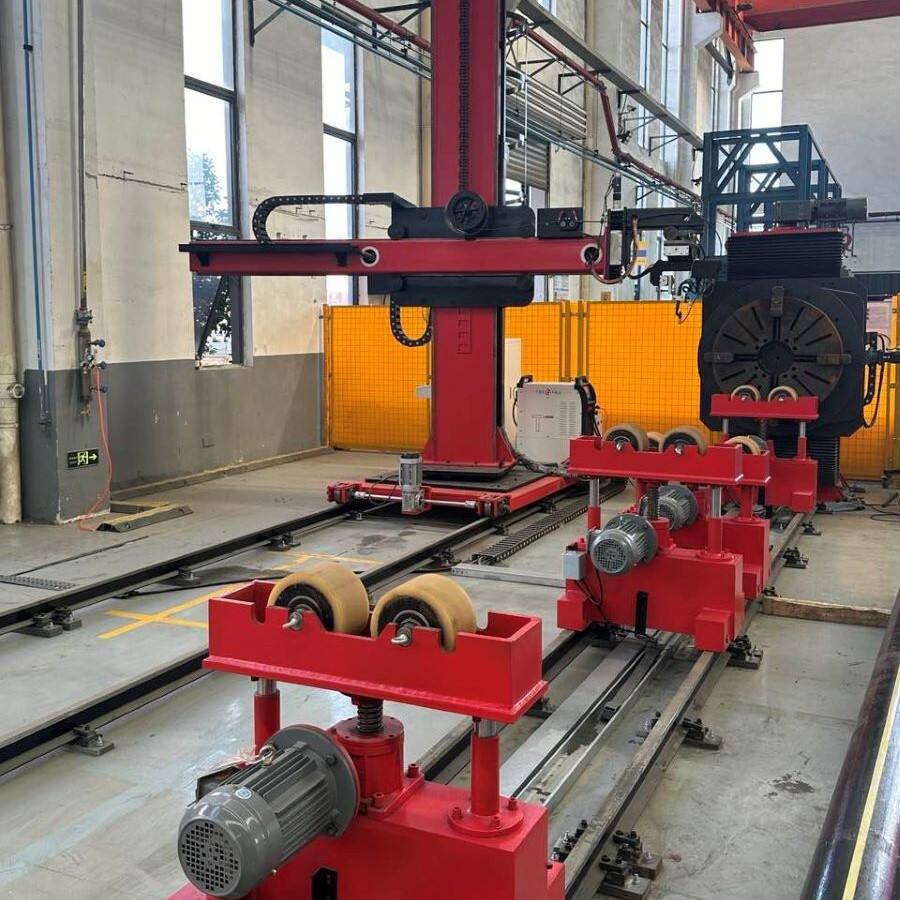
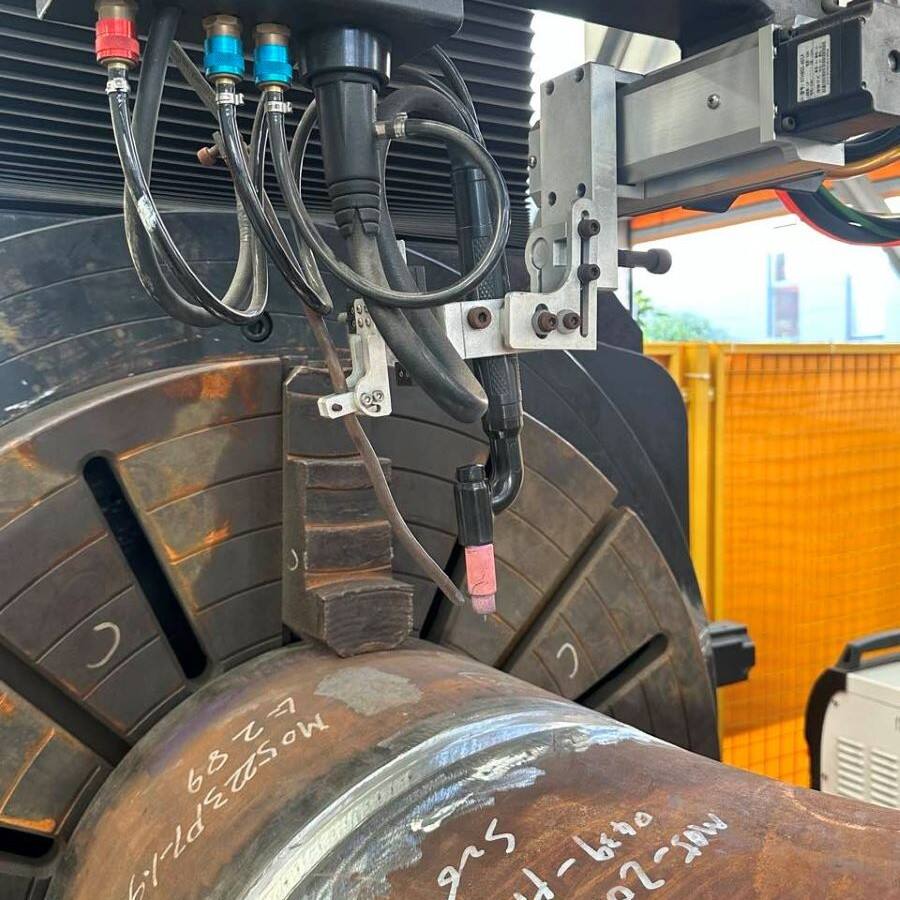
The butt fusion welding machine represents a cutting-edge solution for joining thermoplastic pipes and fittings through precise heat application and controlled pressure. This sophisticated equipment utilizes advanced heating plate technology to create seamless, permanent connections between polyethylene, polypropylene, and other thermoplastic materials. The machine operates by heating both pipe ends simultaneously to their optimal melting temperature, ensuring uniform material flow and molecular bonding. Key technological features include digital temperature control systems, hydraulic clamping mechanisms, and automated heating cycles that guarantee consistent results across various pipe diameters. The butt fusion welding machine incorporates precision alignment systems that maintain perfect pipe positioning throughout the welding process, eliminating potential weak points or structural irregularities. Modern units feature programmable control panels that store welding parameters for different pipe materials and sizes, streamlining operations for technicians. The heating plate design ensures even temperature distribution, preventing overheating or underheating that could compromise joint integrity. Primary applications span water distribution networks, gas transmission systems, industrial piping installations, and municipal infrastructure projects. The machine excels in environments requiring long-lasting, leak-proof connections that can withstand high pressures and temperature variations. Construction companies rely on this equipment for underground utilities, while manufacturing facilities use it for process piping systems. The versatility extends to telecommunications conduit installation, geothermal systems, and chemical processing applications. Advanced models support pipe diameters ranging from small residential lines to large-scale industrial installations. The butt fusion welding machine delivers superior joint strength compared to mechanical connections, creating bonds that often exceed the tensile strength of the original pipe material, making it essential for critical infrastructure projects.

 EN
EN
 AR
AR BG
BG HR
HR CS
CS DA
DA NL
NL FI
FI FR
FR DE
DE EL
EL HI
HI IT
IT JA
JA KO
KO NO
NO PL
PL PT
PT RO
RO RU
RU ES
ES SV
SV TL
TL IW
IW ID
ID LT
LT UK
UK SQ
SQ HU
HU TH
TH TR
TR FA
FA AF
AF CY
CY MK
MK LA
LA MN
MN KK
KK UZ
UZ KY
KY