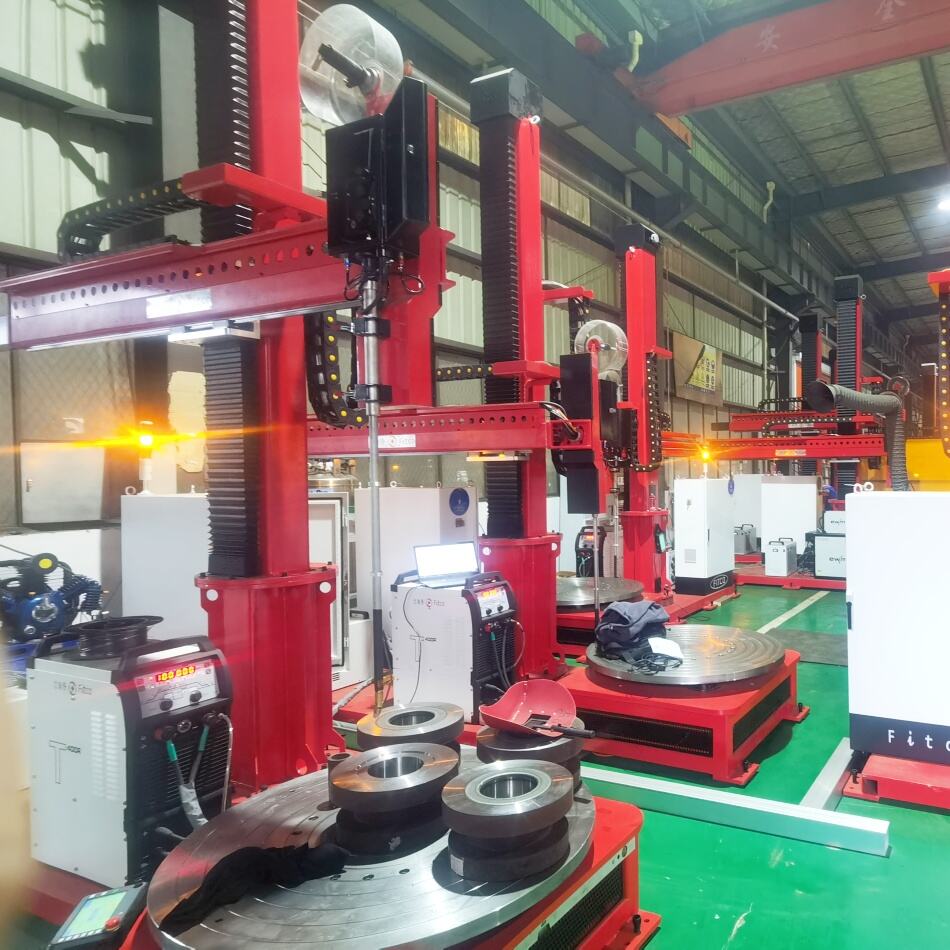
Aniq pozitsiyalash va ko'p o'qli boshqaruv imkoniyatlari
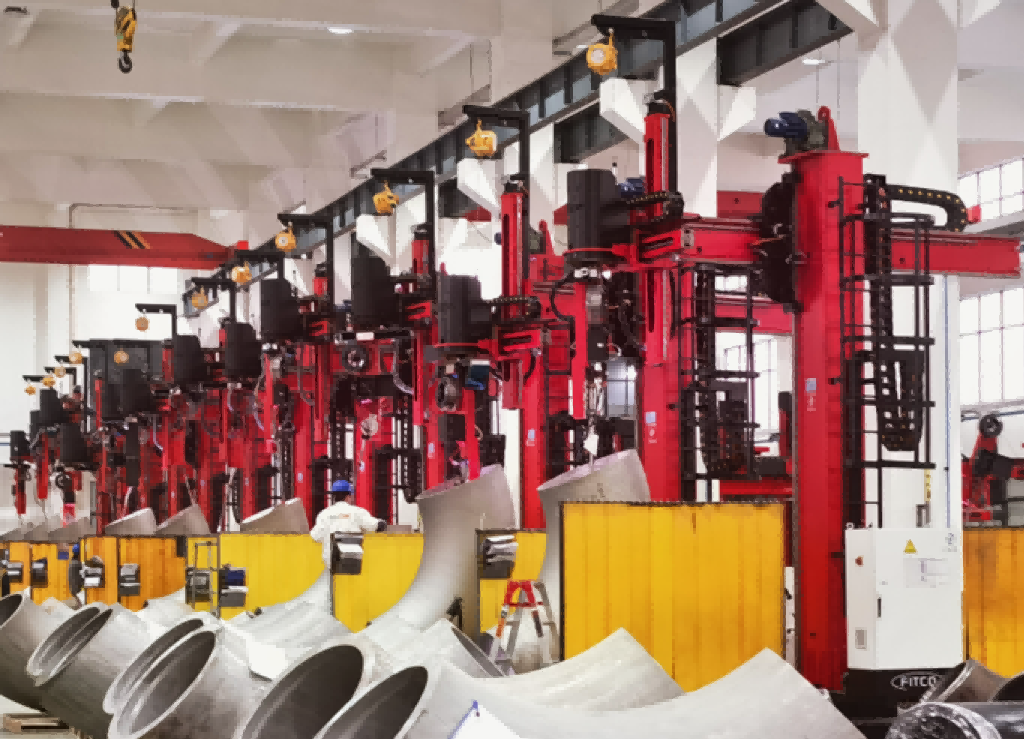
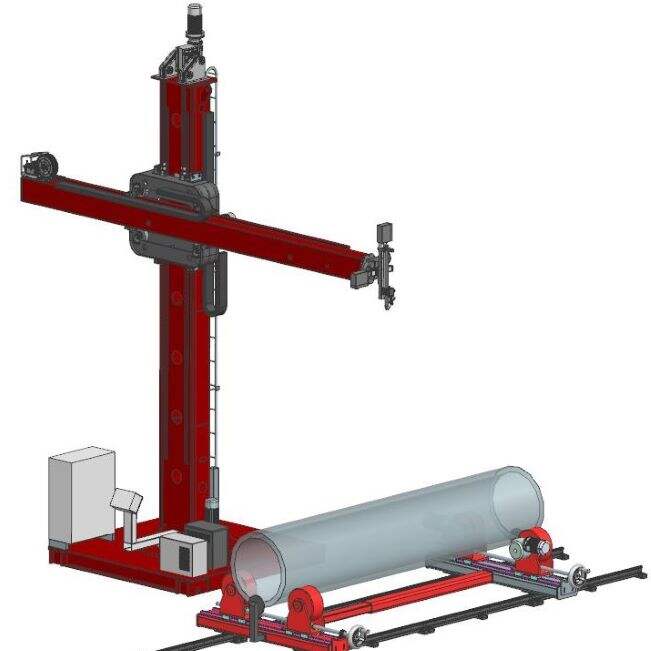
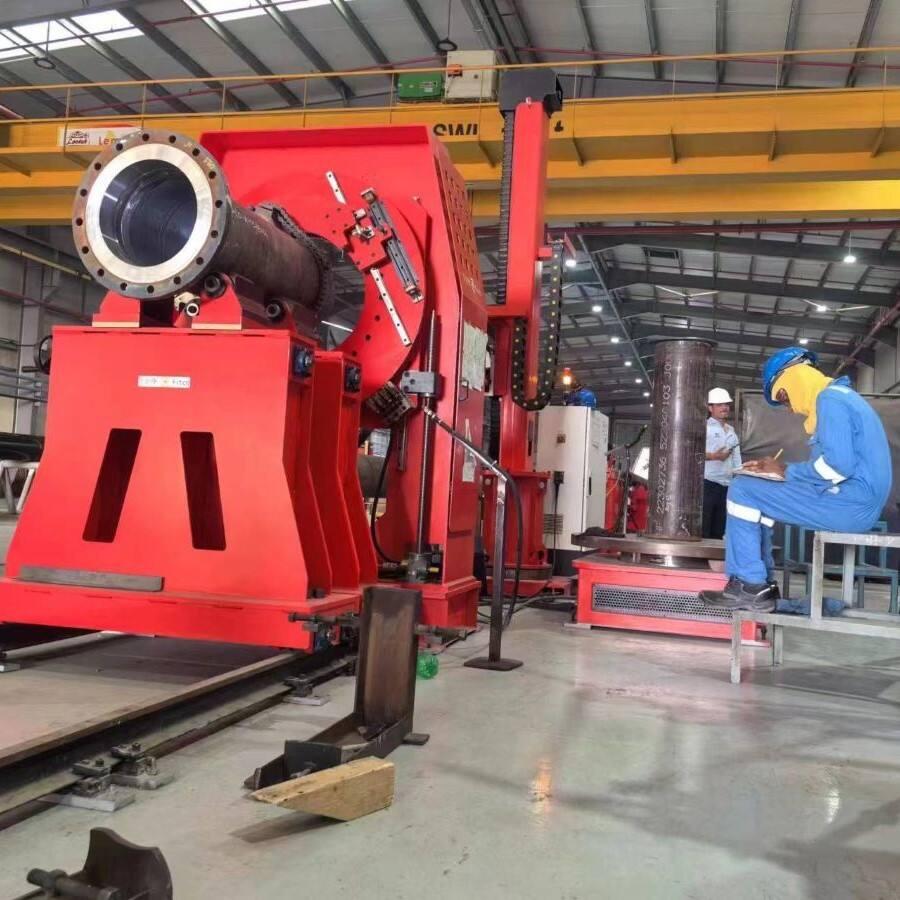
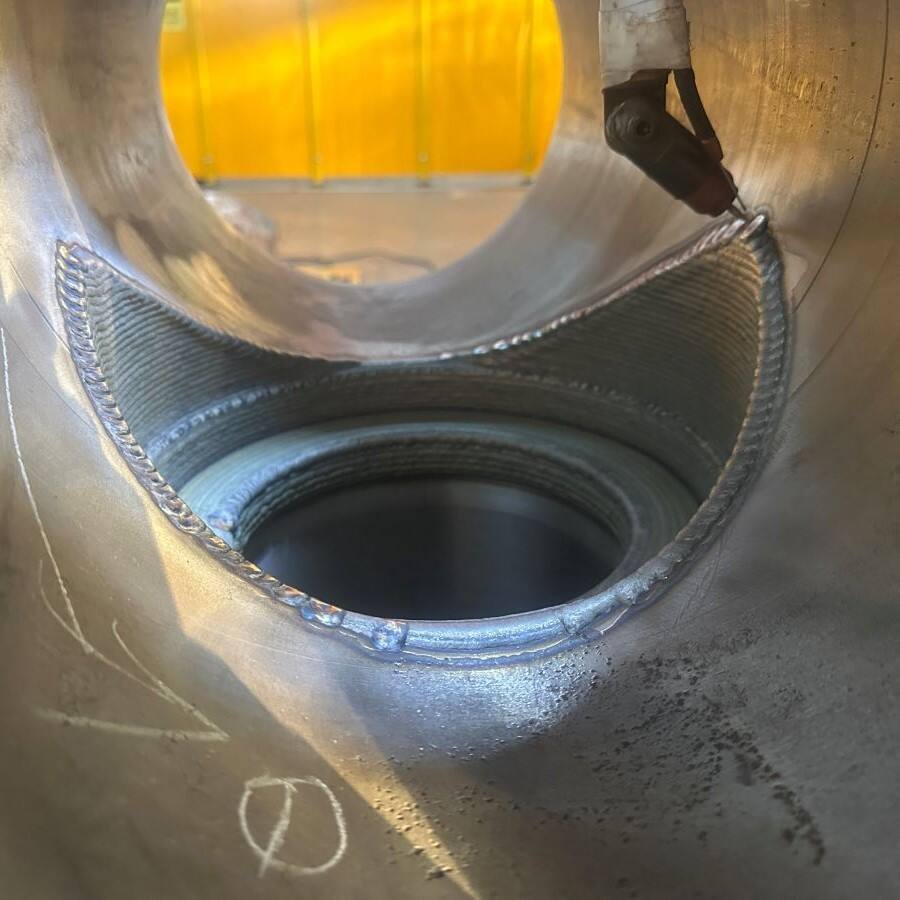
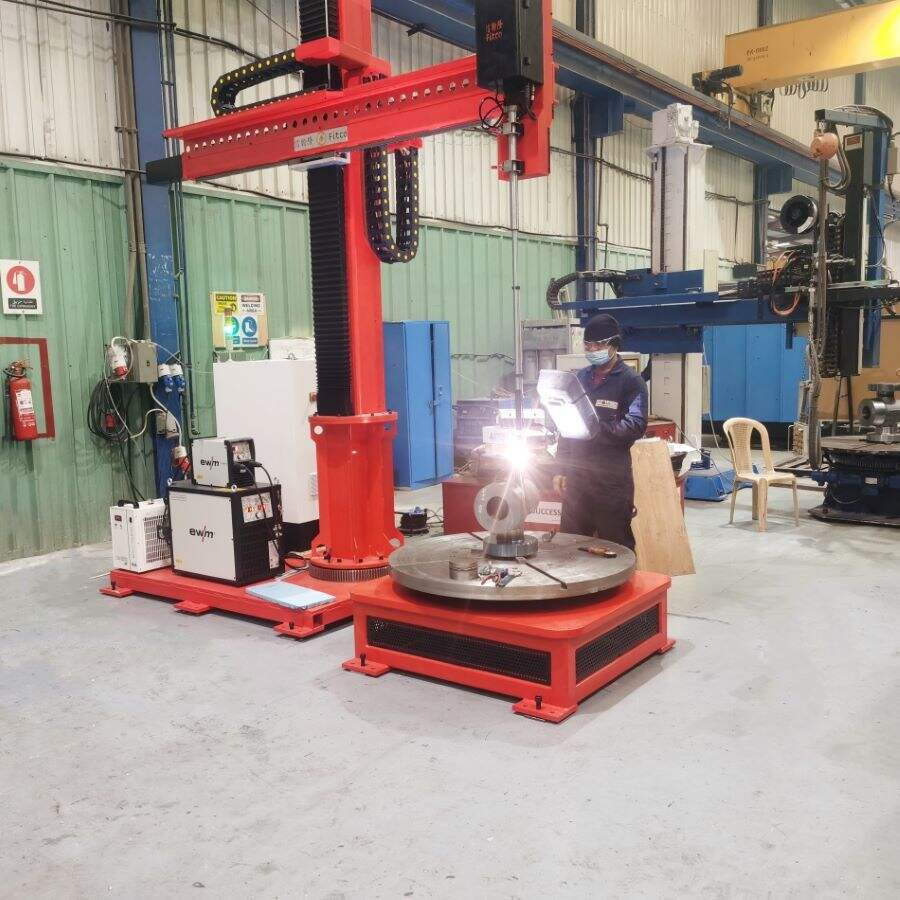
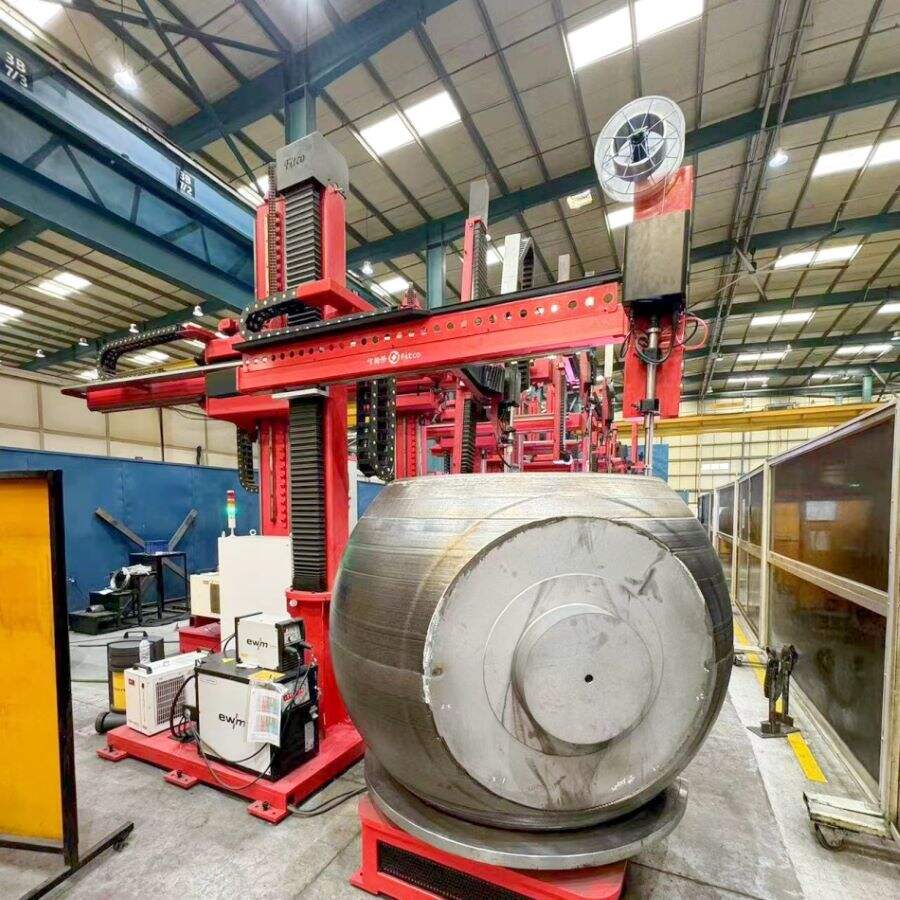
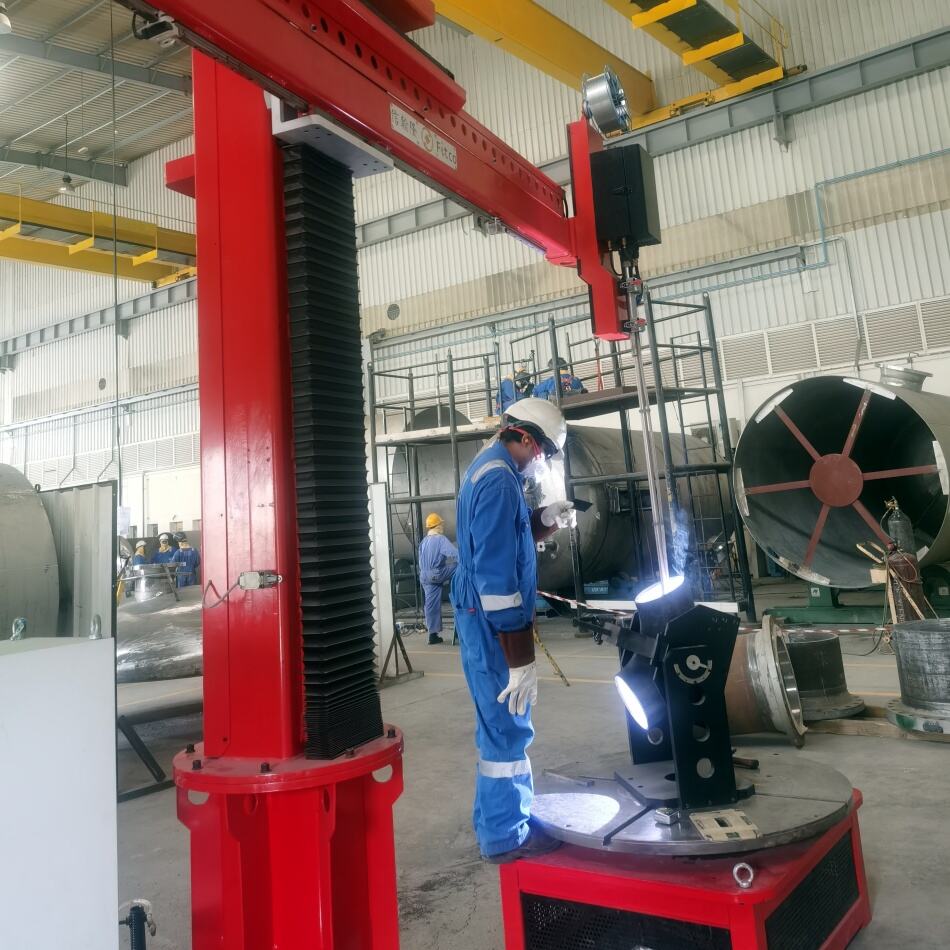
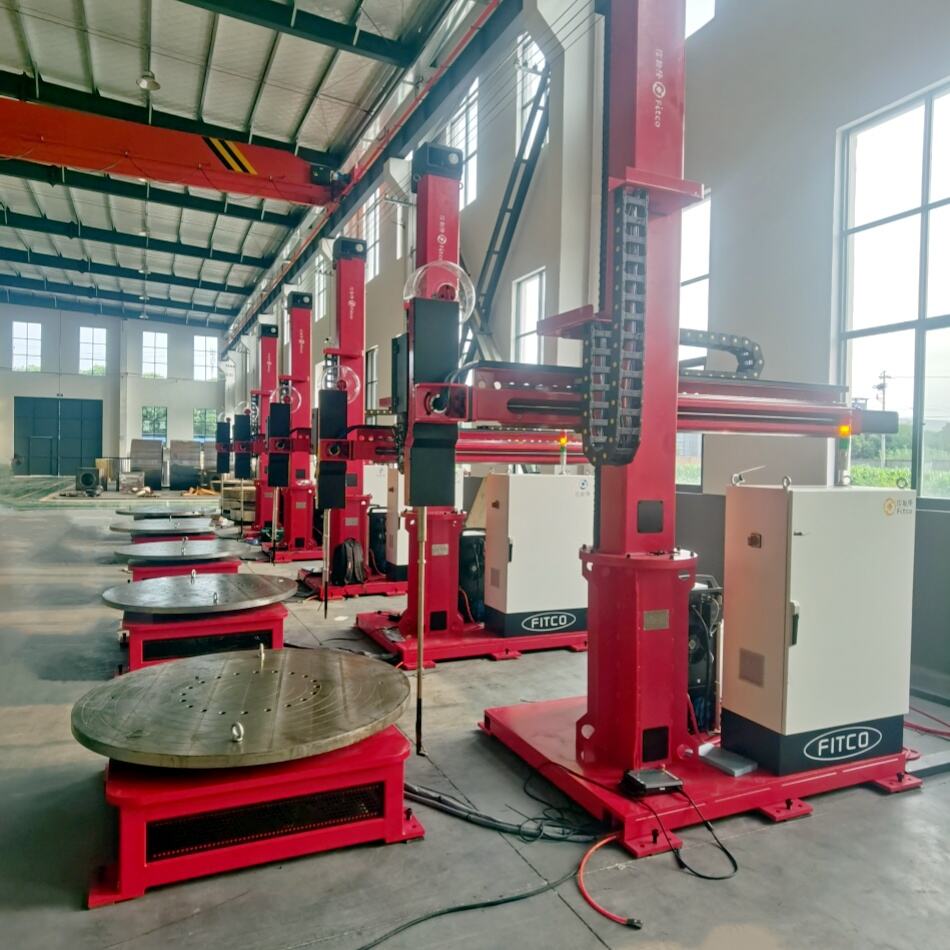
Avtomatik TIG tizimi aniq pozitsionlash texnologiyasiga ega bo'lib, qo'llaniladigan qo'lda yozilgan o'lchovlarga nisbatan mingdan bir dyuym aniqlikda murakkab uch o'lchovli yo'nalishlar bo'ylab payvandlash shamlarisini aniq boshqarish imkonini beradi. Ko'p o'qli servomotorli boshqariladigan pozitsionlash tizimlari torxning optimal burchagini, yoy uzunligini va harakatlanish tezligini saqlab turadigan, silliq va koordinatsiyalangan harakatlarni ta'minlaydi — bu birlashma geometriyasi yoki detallarning o'rnashuv orientatsiyasidan qat'i nazar amalga oshiriladi. Bu aniq pozitsionlash qobiliyati turli qalinlikdagi devorlar, egri sirtlar va ichki geometriyalarga ega murakkab komponentlarni payvandlashda juda muhim ahamiyatga ega bo'ladi; bunday ishlarni hatto eng malakali qo'lda payvandlovchi ham bajarishda qiyinchilik tug'diradi. Tizim payvandlash shamlarisining optimal traektoriyalarini hisoblaydigan ilg'or harakat boshqaruv algoritmlaridan foydalanadi va birlashma geometriyasidagi o'zgarishlarga mos ravishda yondashuv burchaklarini va harakatlanish tezligini avtomatik ravishda sozlaydi, shu bilan birga doimiy payvand sifatini saqlab turadi. Dasturlanadigan pozitsionlash ketma-ketliklari avtomatik TIG tizimiga to'siqlardan atrofida harakatlanish, murakkab birlashma chiziqlarini qo'llash va uzoq muddatli payvandlash operatsiyalari davomida to'g'ri standof masofasini saqlash imkonini beradi. Ko'p o'qli boshqaruv tizimi detallarni o'rnash tirgaklari va aylanuvchi stollarga silliq integratsiya qilinadi, bu esa bosim idishlari va quvurlar sohasida keng tarqoq bo'lgan aylanma payvandlar, spiral naqshlar va boshqa murakkab geometriyalarni to'liq avtomatlashtirishni ta'minlaydi. Yuqori aniqlikdagi kodlaygichlar shamlar pozitsiyasi va orientatsiyasi haqida doimiy ravishda axborot beradi, natijada dasturlangan payvandlash ketma-ketliklari belgilangan yo'nalishlardan minimal og'ish bilan aniq bajariladi. Pozitsionlash tizimi to'g'ri, burchakli va artikulyatsiyalangan dizaynlarga ega turli xil shamlar konfiguratsiyalarini qo'llab-quvvatlaydi, bu esa qo'lda ishlash usullari bilan doimiy ravishda yetib olinmaydigan cheklangan joylarga va noqulay birlashma orientatsiyalariga kirish imkonini beradi. Ilg'or interpolatsiya algoritmlari dasturlangan nuqtalar orasidagi shamlar harakatini silliq qiladi, bu esa yoy barqarorligi va payvand ko'rinishiga ta'sir qiladigan tik-tik harakatlarni yo'q qiladi. Tizim bir nechta pozitsionlash dasturlarini saqlaydi, bu esa uzun sozlash jarayonlari yoki keng qamrovli operatorlarga o'qitish talab qilmasdan turli xil detallar konfiguratsiyalari o'rtasida tez o'tish imkonini beradi. To'qnashuvni aniqlash sensorlari shamlar bilan ishlov berilayotgan detallar yoki tirgaklar o'rtasidagi noxohishli urilishlarni oldini oladi, bu esa qimmatbaho jihozlarni himoya qiladi va operatsion xavfsizlikni ta'minlaydi. Ilg'or pozitsionlash boshqaruv orqali erishilgan aniqlik bevosita yaxshilangan birlashma moslashuv doirasini, kamaytirilgan payvand distorsiyasini va yaxshilangan ko'rinish xususiyatlarini ta'minlaydi; bu esa arxitektura, bezak va yuqori ko'rinadigan ilovalarda — ya'ni payvand estetikasi mahsulot qiymatini va mijoz qoniqishini sezilarli darajada ta'sirlaydigan sohalarda — qo'yiladigan qattiq talablarga javob beradi.

 EN
EN
 AR
AR BG
BG HR
HR CS
CS DA
DA NL
NL FI
FI FR
FR DE
DE EL
EL HI
HI IT
IT JA
JA KO
KO NO
NO PL
PL PT
PT RO
RO RU
RU ES
ES SV
SV TL
TL IW
IW ID
ID LT
LT UK
UK SQ
SQ HU
HU TH
TH TR
TR FA
FA AF
AF CY
CY MK
MK LA
LA MN
MN KK
KK UZ
UZ KY
KY