Professional Pipe Welding Equipment - Advanced Solutions for Industrial Applications

Contact me immediately if you encounter problems!

All Categories

Get a Free Quote

Our representative will contact you soon.
Email
Mobile/WhatsApp
Name
Company Name
Message
0/1000

Get a Free Quote

Our representative will contact you soon.
Email
Mobile/WhatsApp
Name
Company Name
Message
0/1000

pipe welding equipment

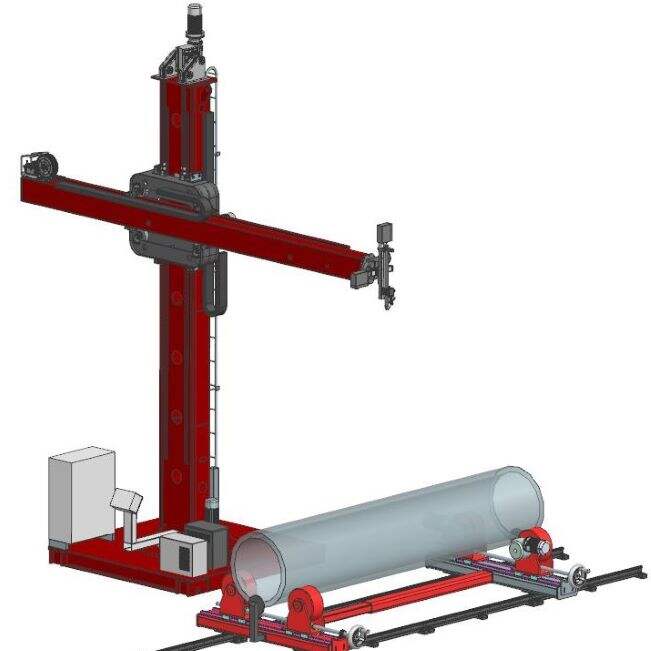
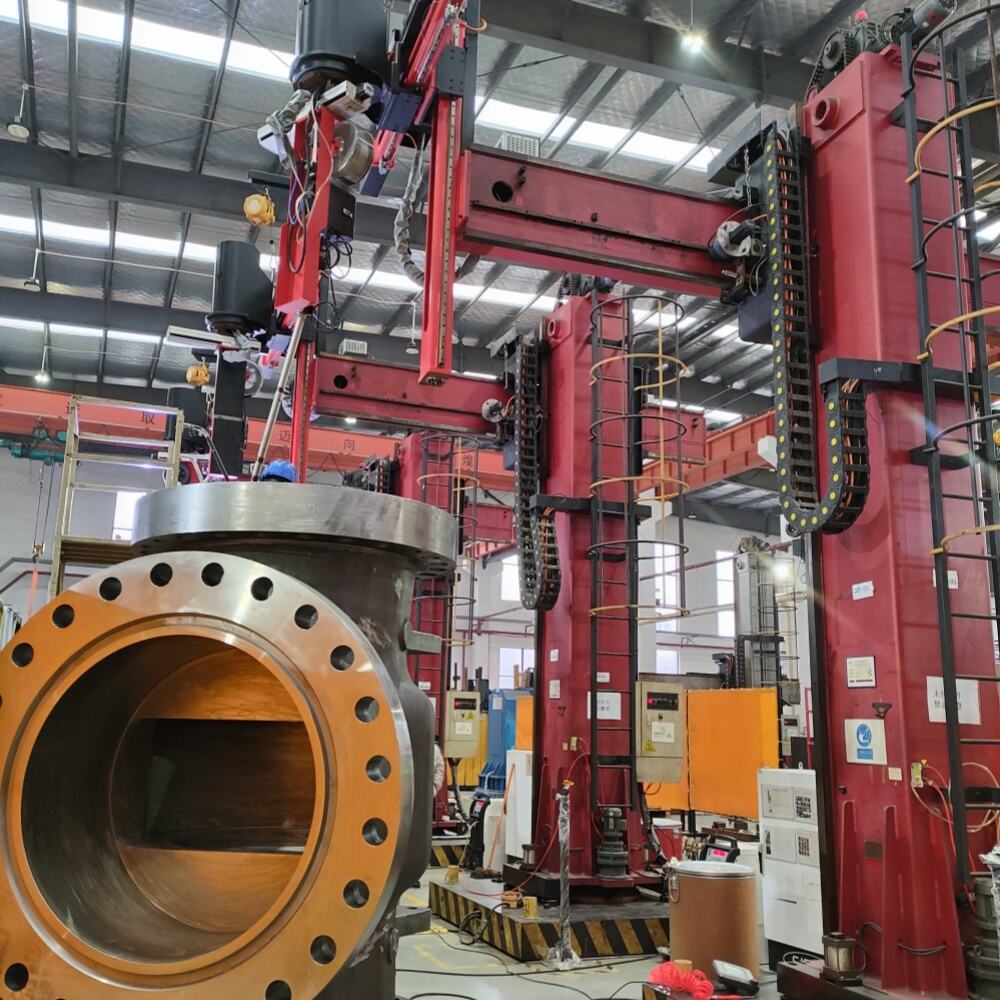
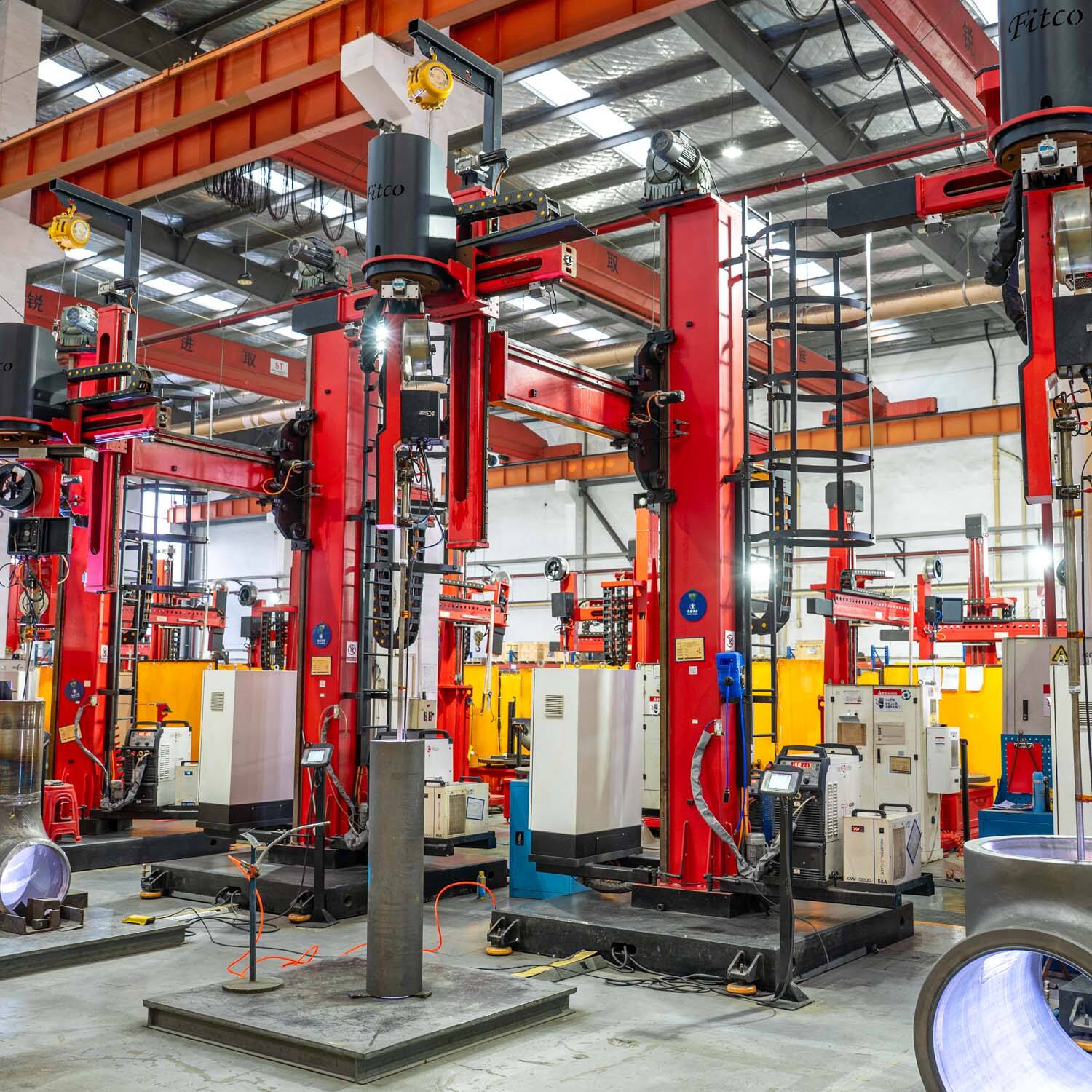
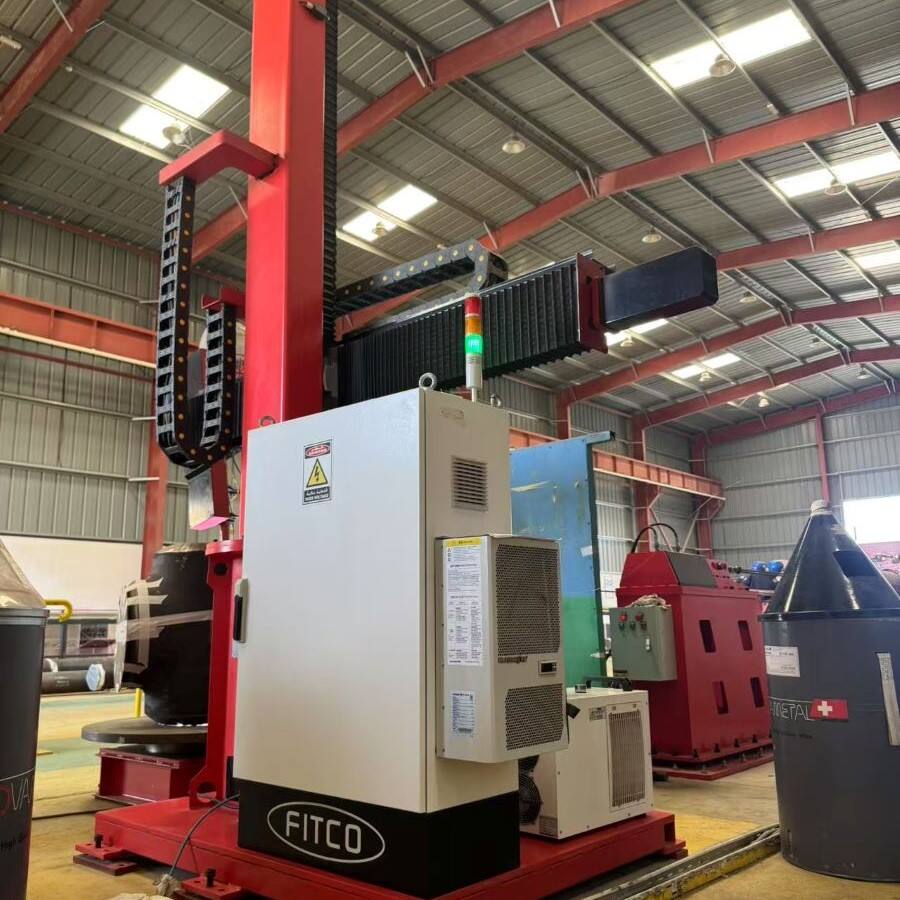
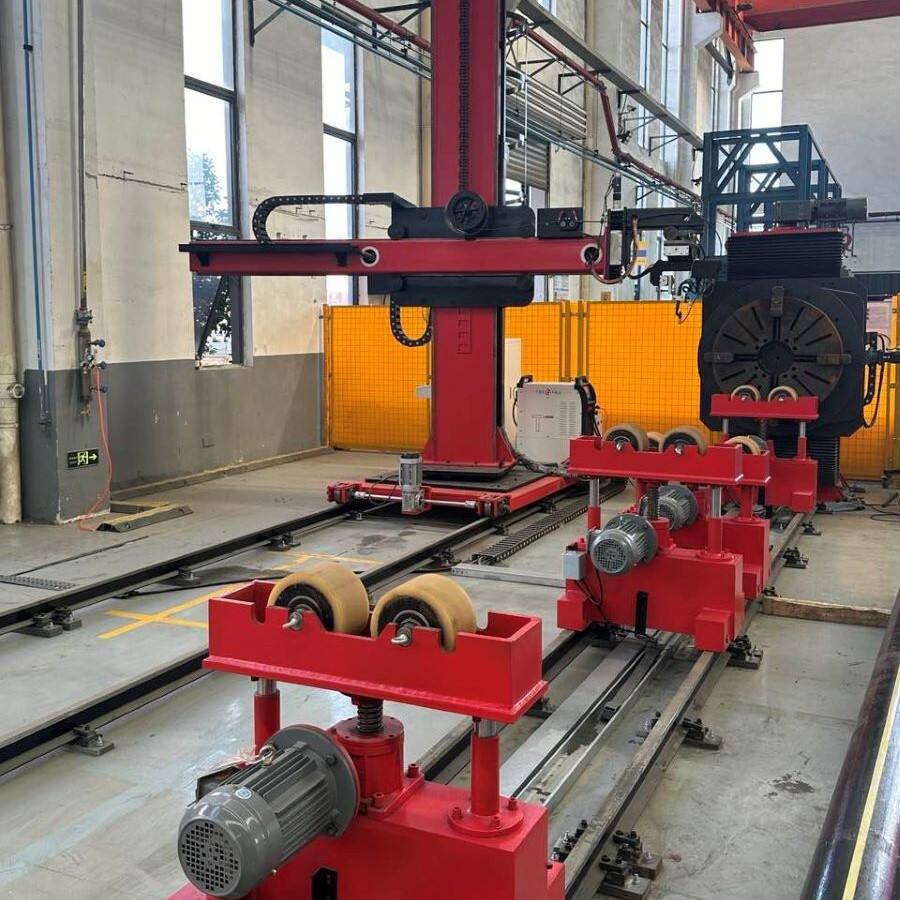
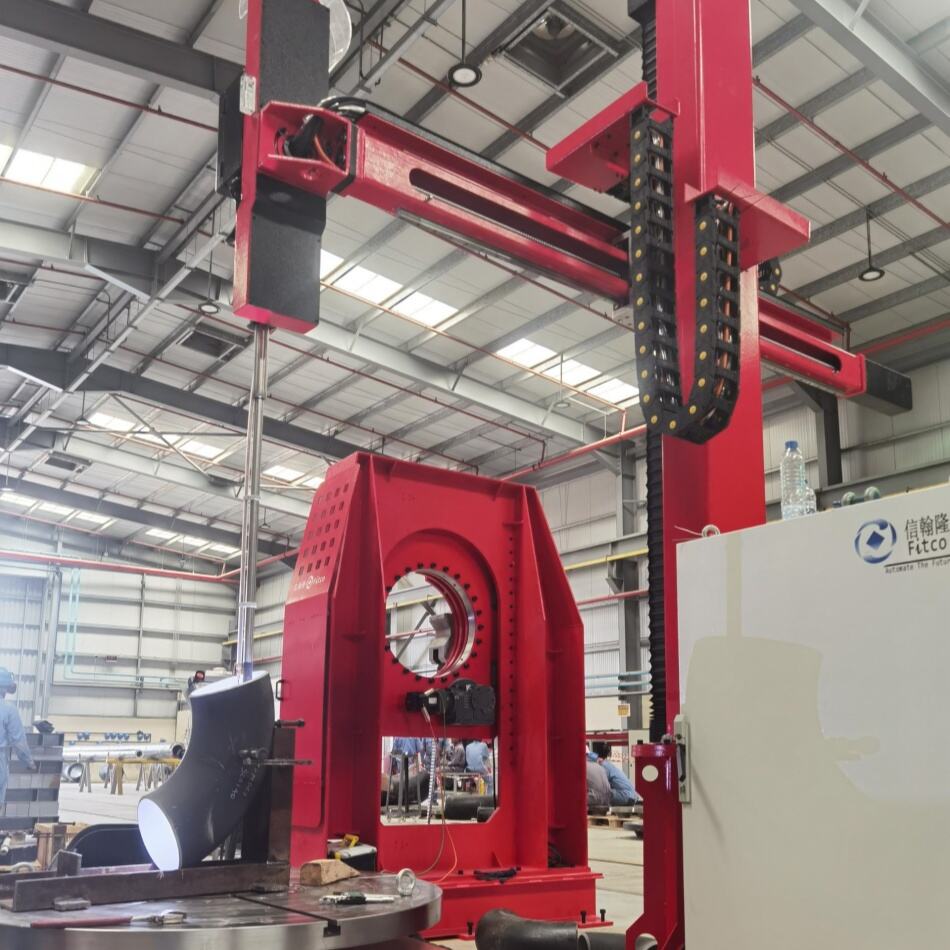
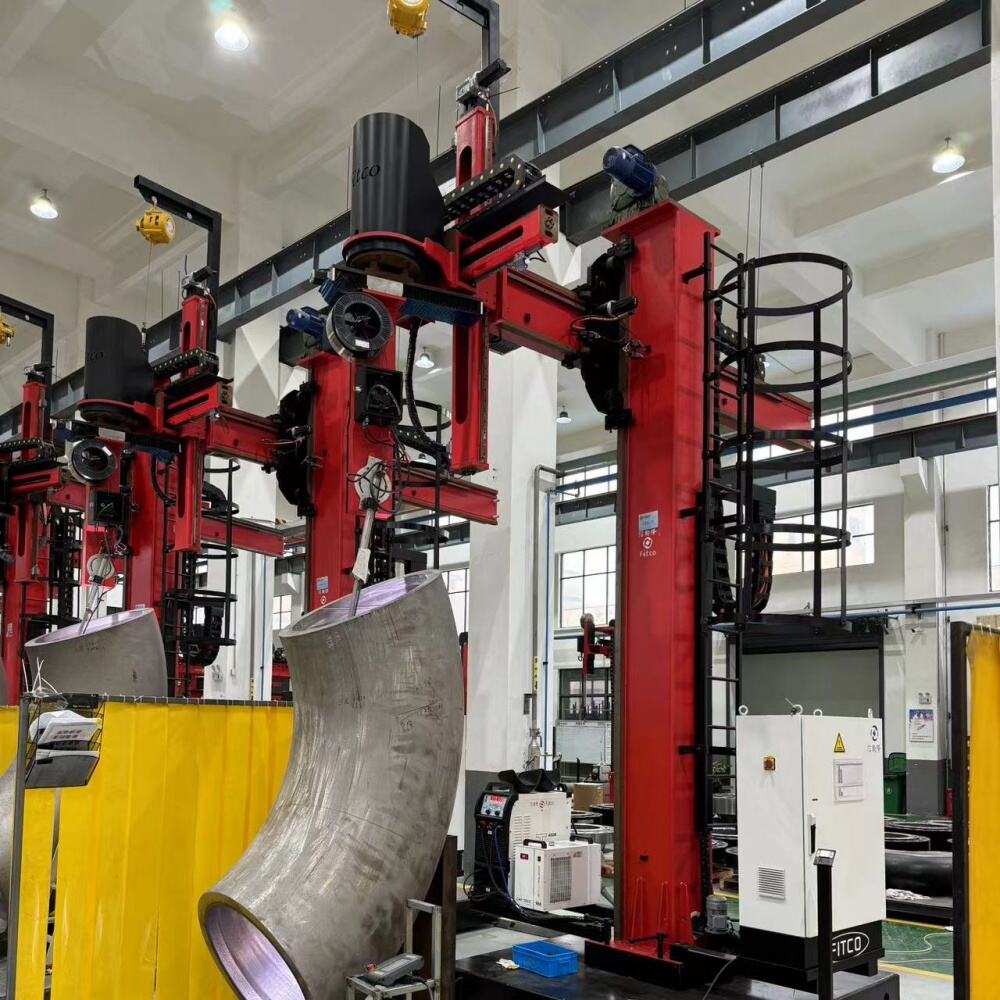
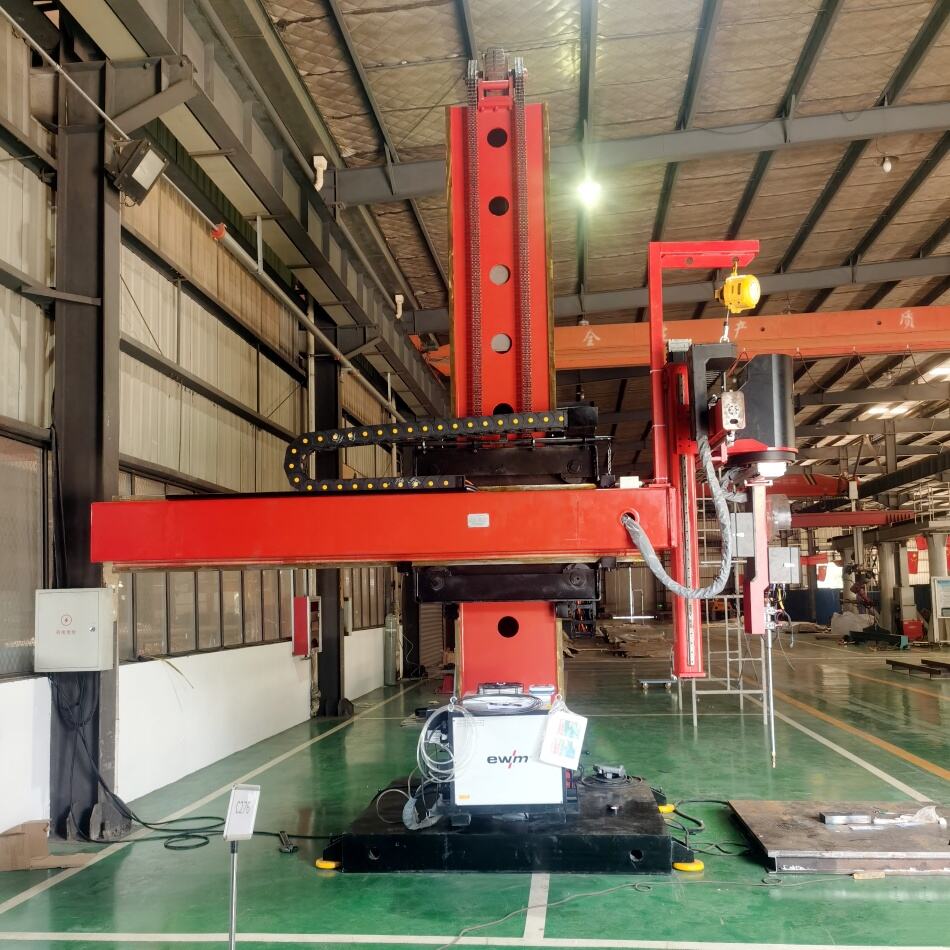
Pipe welding equipment represents a specialized category of industrial machinery designed specifically for joining pipes and tubular structures through various welding processes. This sophisticated equipment serves as the backbone of pipeline construction, maintenance, and repair operations across multiple industries. Modern pipe welding equipment incorporates advanced technologies that enable precise, reliable, and efficient welding of pipes ranging from small diameter tubing to large-scale pipeline systems. The primary function of pipe welding equipment centers around creating strong, leak-proof joints between pipe sections using methods such as TIG welding, MIG welding, stick welding, and automated orbital welding. These machines feature specialized clamping systems that securely hold pipes in position during the welding process, ensuring proper alignment and preventing movement that could compromise weld quality. The technological features of contemporary pipe welding equipment include digital controls for precise parameter adjustment, automatic wire feeding systems, and advanced cooling mechanisms that maintain optimal operating temperatures. Many units incorporate programmable logic controllers that store welding programs for different pipe materials and thicknesses, allowing operators to achieve consistent results across multiple projects. The equipment typically features robust construction with heavy-duty components designed to withstand harsh industrial environments and continuous operation. Applications for pipe welding equipment span numerous industries including oil and gas, petrochemical, power generation, water treatment, HVAC systems, and construction. In the oil and gas sector, this equipment plays a crucial role in pipeline installation and maintenance, ensuring the integrity of systems that transport valuable resources across vast distances. Power plants rely on pipe welding equipment for boiler tube welding and steam line connections, while water treatment facilities use it for creating reliable piping networks. The versatility of modern pipe welding equipment allows it to handle various pipe materials including carbon steel, stainless steel, aluminum, and exotic alloys, making it indispensable for specialized applications requiring specific material properties and performance characteristics.

New Product Releases

Pipe welding equipment offers numerous practical benefits that directly impact productivity, quality, and operational efficiency for businesses across various industries. The most significant advantage lies in its ability to produce consistent, high-quality welds that meet stringent industry standards and regulatory requirements. This consistency eliminates the variability often associated with manual welding processes, reducing rework and ensuring that every joint meets specification requirements. The equipment dramatically increases welding speed compared to traditional manual methods, allowing operators to complete projects faster and take on more work within the same timeframe. This enhanced productivity translates directly into improved profitability and competitive advantages in the marketplace. Modern pipe welding equipment incorporates user-friendly interfaces that simplify operation and reduce the learning curve for new operators. Digital displays provide real-time feedback on welding parameters, enabling operators to make immediate adjustments and maintain optimal welding conditions throughout the process. The precision control offered by these machines ensures optimal penetration depth, bead profile, and heat input, resulting in superior weld quality that exceeds manual welding capabilities. Safety represents another crucial advantage, as pipe welding equipment includes multiple protective features such as automatic shut-off systems, over-temperature protection, and enclosed welding chambers that protect operators from harmful radiation and fumes. This enhanced safety reduces workplace accidents and creates a more secure working environment for welding personnel. The equipment's versatility allows operators to handle various pipe sizes, wall thicknesses, and materials without requiring extensive setup changes or additional tooling. This flexibility reduces equipment investment costs and simplifies inventory management. Energy efficiency features built into modern pipe welding equipment help reduce operational costs by optimizing power consumption during welding operations. The equipment's durability and robust construction minimize maintenance requirements and extend service life, providing excellent return on investment. Advanced monitoring systems track usage patterns and maintenance needs, enabling proactive servicing that prevents unexpected downtime. The portability options available with many pipe welding equipment models allow operators to bring the equipment directly to job sites, eliminating the need to transport pipes to fixed welding locations and reducing project completion times significantly.

Practical Tips

Common welding machine Faults and How to Troubleshoot Them

16

Mar

Common welding machine Faults and How to Troubleshoot Them

Welding machine malfunctions can halt production lines, compromise weld quality, and create costly downtime in industrial operations. Understanding common faults and their troubleshooting methods is essential for maintaining consistent welding perfor...
View More
The Role of overlay cladding in Refurbishing Heavy Machinery

16

Mar

The Role of overlay cladding in Refurbishing Heavy Machinery

Heavy machinery operates under extreme conditions, facing constant wear from abrasion, corrosion, and mechanical stress that gradually degrades critical components. When expensive equipment begins showing signs of deterioration, manufacturers and ope...
View More
Understanding the Duty Cycle of Your Heavy-Duty arc welding machine

16

Mar

Understanding the Duty Cycle of Your Heavy-Duty arc welding machine

The duty cycle of an arc welding machine represents one of the most critical specifications that determines its operational capabilities and longevity in heavy-duty industrial applications. This measurement defines how long your arc welding machine c...
View More
How to Maintain Heating Plates on a butt fusion welding machine

16

Mar

How to Maintain Heating Plates on a butt fusion welding machine

Proper maintenance of heating plates on a butt fusion welding machine is critical for achieving consistent, high-quality pipe joints and extending equipment lifespan. These heating plates serve as the primary heat transfer component that brings therm...
View More

Get a Free Quote

Our representative will contact you soon.
Email
Mobile/WhatsApp
Name
Company Name
Message
0/1000

pipe welding equipment

Advanced Automated Welding Technology

Advanced Automated Welding Technology

The automated welding technology integrated into modern pipe welding equipment represents a revolutionary advancement that transforms traditional welding operations into highly efficient, precise manufacturing processes. This technology utilizes sophisticated control systems that automatically adjust welding parameters in real-time based on material properties, pipe dimensions, and joint configurations. The automation capabilities eliminate human error factors that commonly affect weld quality, ensuring every joint meets exact specifications regardless of operator skill level variations. Advanced sensors continuously monitor the welding process, detecting changes in arc characteristics, travel speed, and heat input to maintain optimal welding conditions throughout the entire operation. The system's ability to store and recall welding programs for different applications allows operators to achieve repeatable results across multiple projects, significantly reducing setup time and improving overall productivity. Machine learning algorithms incorporated into the latest pipe welding equipment analyze welding data to optimize parameters automatically, continuously improving performance and adapting to specific working conditions. The automated wire feeding systems maintain consistent filler metal delivery rates, ensuring uniform bead appearance and mechanical properties along the entire weld length. Robotic integration capabilities enable the equipment to work seamlessly with automated pipe handling systems, creating fully automated production lines that operate with minimal human intervention. The precision positioning systems built into these machines ensure accurate torch placement and consistent travel speeds, resulting in superior weld penetration and fusion characteristics. Real-time quality monitoring features detect potential defects during the welding process, allowing immediate corrections that prevent costly rework and ensure compliance with quality standards. The automated documentation systems record all welding parameters and quality metrics, providing comprehensive traceability for quality assurance purposes and regulatory compliance. This advanced technology significantly reduces welding cycle times while improving weld quality consistency, making it an invaluable investment for high-volume pipe welding applications where quality and productivity are paramount concerns.
Superior Joint Integrity and Durability

Superior Joint Integrity and Durability

Pipe welding equipment delivers exceptional joint integrity and durability that surpasses traditional welding methods through precisely controlled welding processes and advanced metallurgical techniques. The equipment's ability to maintain consistent heat input and cooling rates ensures optimal microstructure development in the weld zone, resulting in joints that exhibit superior mechanical properties and corrosion resistance. The controlled atmosphere capabilities available in many pipe welding equipment systems prevent oxidation and contamination during welding, producing clean, high-quality welds with excellent surface finish and internal soundness. The equipment's precise control over welding parameters such as current, voltage, travel speed, and shielding gas flow creates ideal conditions for achieving full penetration welds with minimal distortion and residual stress. This level of control is particularly crucial when welding critical applications such as pressure vessels, pipeline systems, and power generation equipment where joint failure could result in catastrophic consequences. The multi-pass welding capabilities enable the equipment to create thick-walled joints with excellent fusion between passes, eliminating potential defect areas that could compromise long-term performance. Advanced cooling systems integrated into the equipment prevent overheating that could lead to metallurgical changes and reduced joint properties, ensuring that welded joints maintain their design strength throughout their service life. The equipment's ability to handle various welding positions including horizontal, vertical, and overhead configurations ensures that joint quality remains consistent regardless of installation requirements or site constraints. Sophisticated monitoring systems track joint formation in real-time, detecting potential issues such as incomplete fusion, porosity, or cracking before they become critical defects. The equipment's precise torch manipulation capabilities ensure optimal electrode positioning and arc characteristics, producing welds with excellent penetration profiles and minimal heat-affected zone width. Quality assurance features built into modern pipe welding equipment include automatic defect detection algorithms that analyze weld characteristics and alert operators to potential quality issues, enabling immediate corrective action to maintain joint integrity standards.
Comprehensive Operational Flexibility and Adaptability

Comprehensive Operational Flexibility and Adaptability

The operational flexibility and adaptability of modern pipe welding equipment make it an invaluable asset for diverse welding applications and changing project requirements across various industries and working conditions. This equipment seamlessly accommodates different pipe materials including carbon steel, stainless steel, aluminum, titanium, and exotic alloys, automatically adjusting welding parameters to optimize joint quality for each specific material combination. The modular design architecture allows operators to quickly reconfigure the equipment for different pipe diameters, wall thicknesses, and joint preparations without extensive downtime or complex setup procedures. Mobile configurations available for many pipe welding equipment models provide exceptional portability, enabling operators to transport the equipment directly to job sites regardless of location constraints or accessibility challenges. The equipment's ability to operate in various environmental conditions including extreme temperatures, high humidity, and challenging outdoor locations ensures continuous productivity regardless of working conditions. Power supply flexibility allows the equipment to operate on different electrical systems including single-phase, three-phase, and generator power sources, making it suitable for remote locations where standard power infrastructure may not be available. The intuitive user interfaces incorporated into modern pipe welding equipment enable operators with varying skill levels to achieve professional results through simplified controls and pre-programmed welding procedures. Interchangeable welding processes within the same equipment platform allow operators to select the most appropriate welding method for specific applications, whether TIG welding for precision work, MIG welding for high-speed production, or stick welding for field repairs. The equipment's compatibility with various consumables and accessories provides operators with the flexibility to optimize their welding setup for specific project requirements and material combinations. Remote monitoring and control capabilities enable supervisors to oversee multiple welding operations simultaneously, improving project coordination and quality control across large-scale installations. The equipment's ability to interface with existing plant automation systems provides seamless integration into established production workflows, minimizing disruption and maximizing operational efficiency. Upgrade capabilities built into the equipment design allow operators to enhance functionality and add new features as technology advances, protecting their investment and ensuring long-term viability in evolving market conditions.

Get a Free Quote

Our representative will contact you soon.
Email
Mobile/WhatsApp
Name
Company Name
Message
0/1000