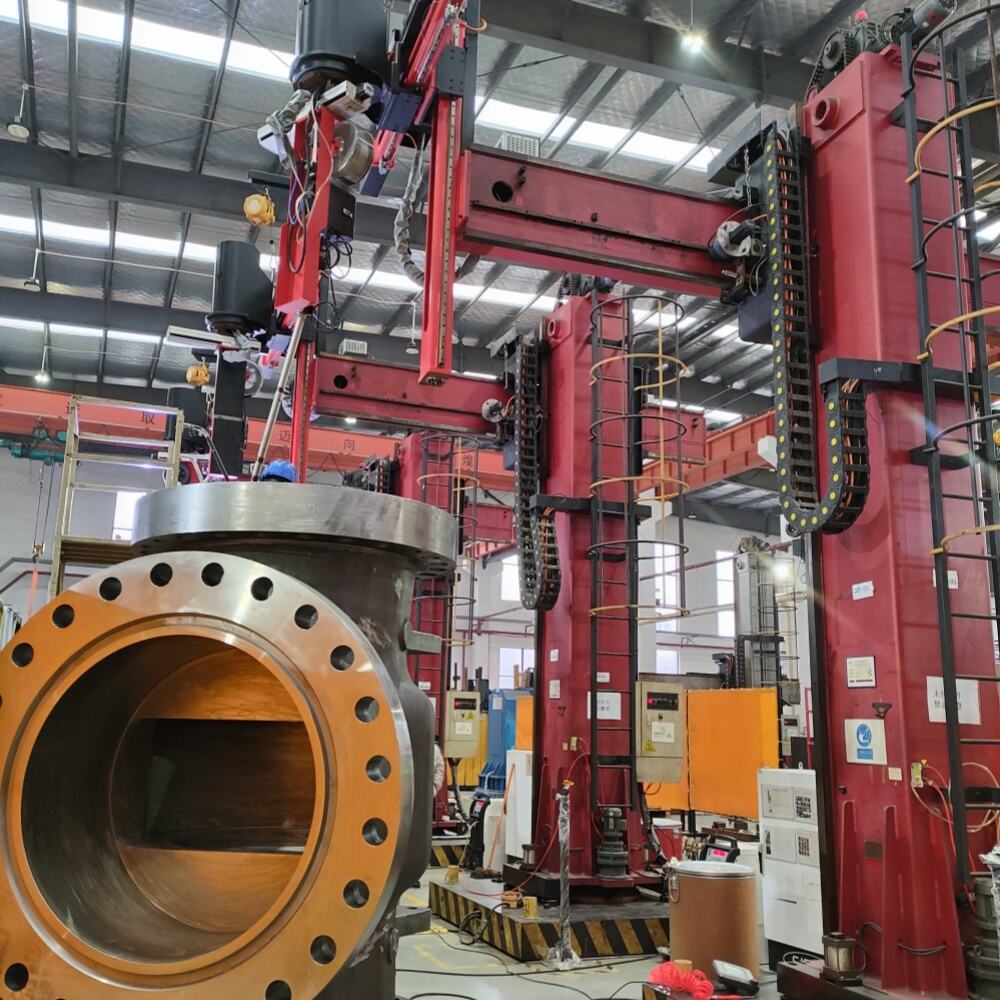
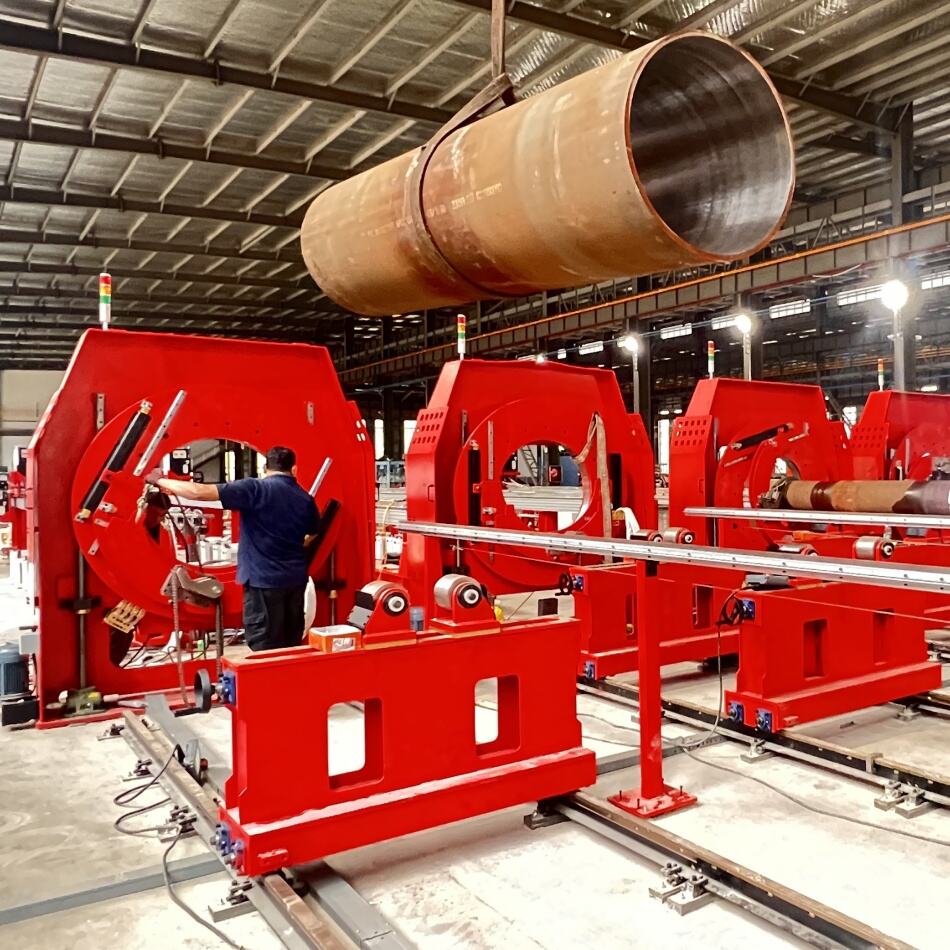
sudură pentru echipamente grele
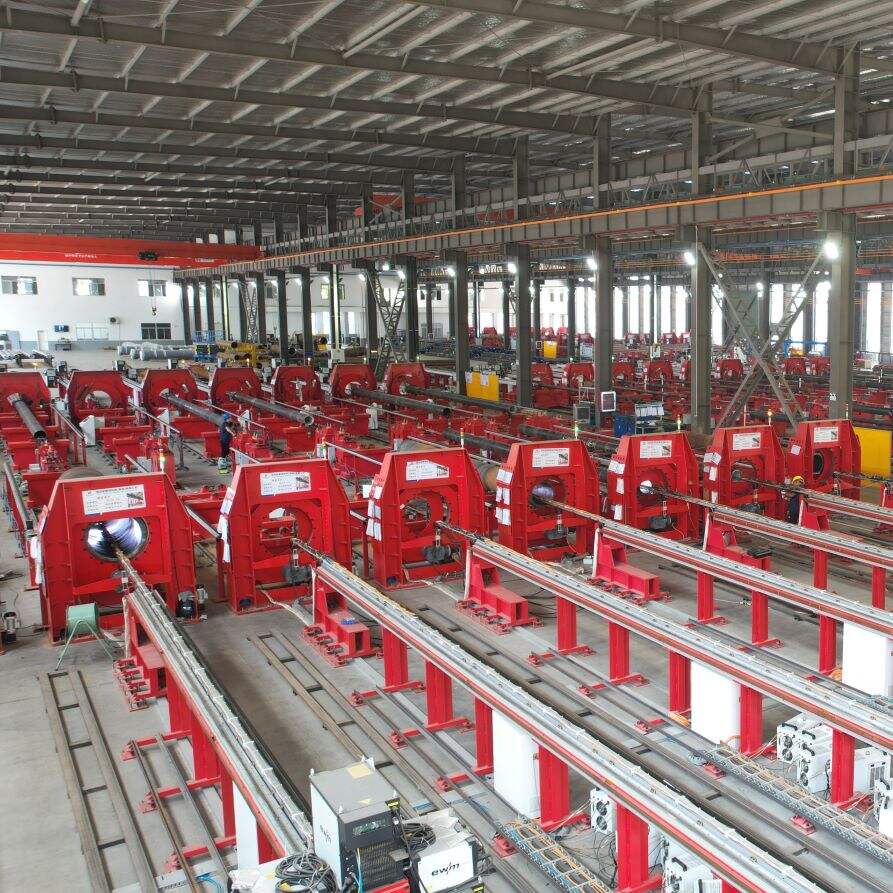
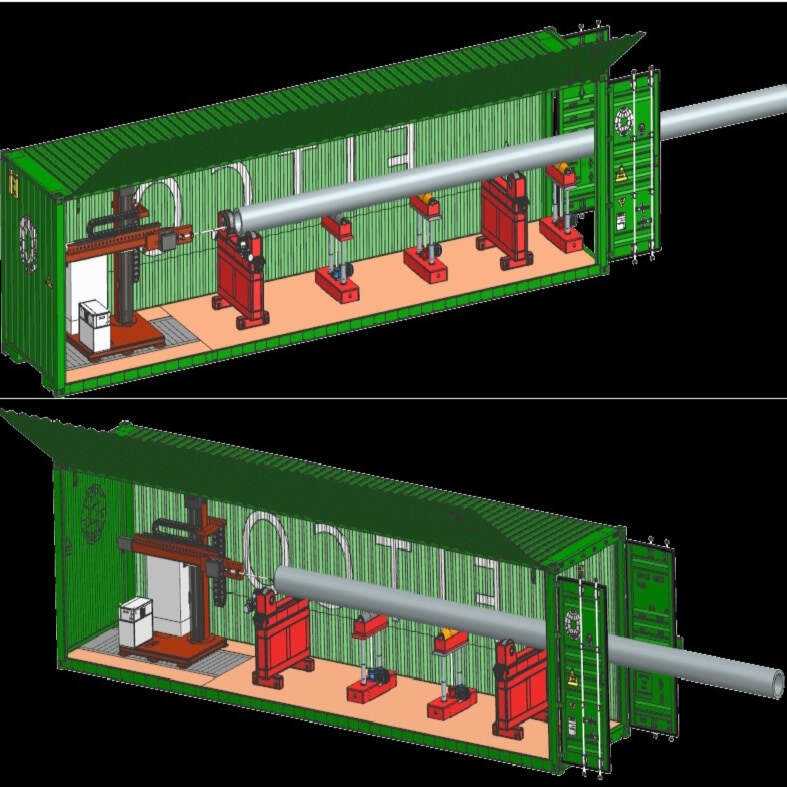
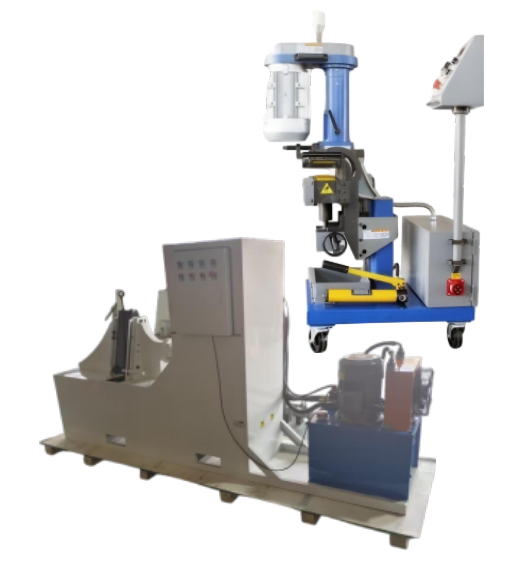
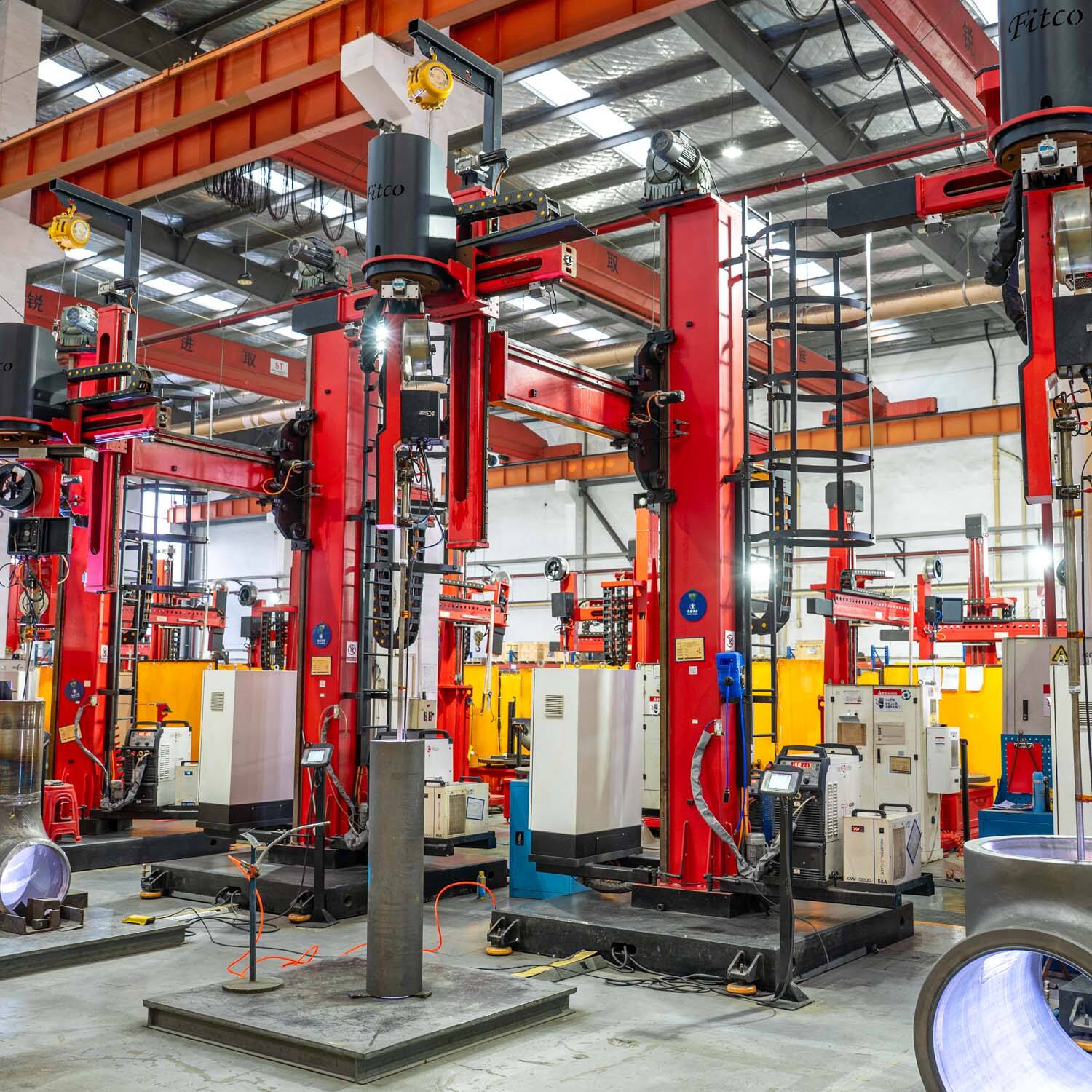
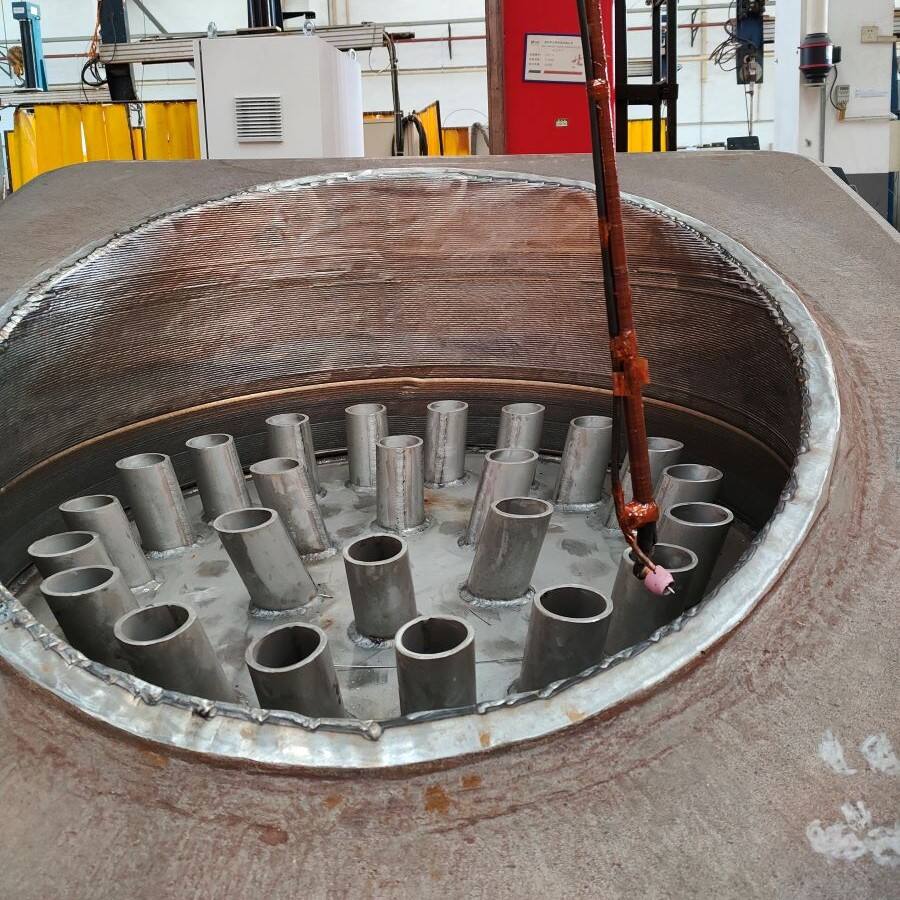
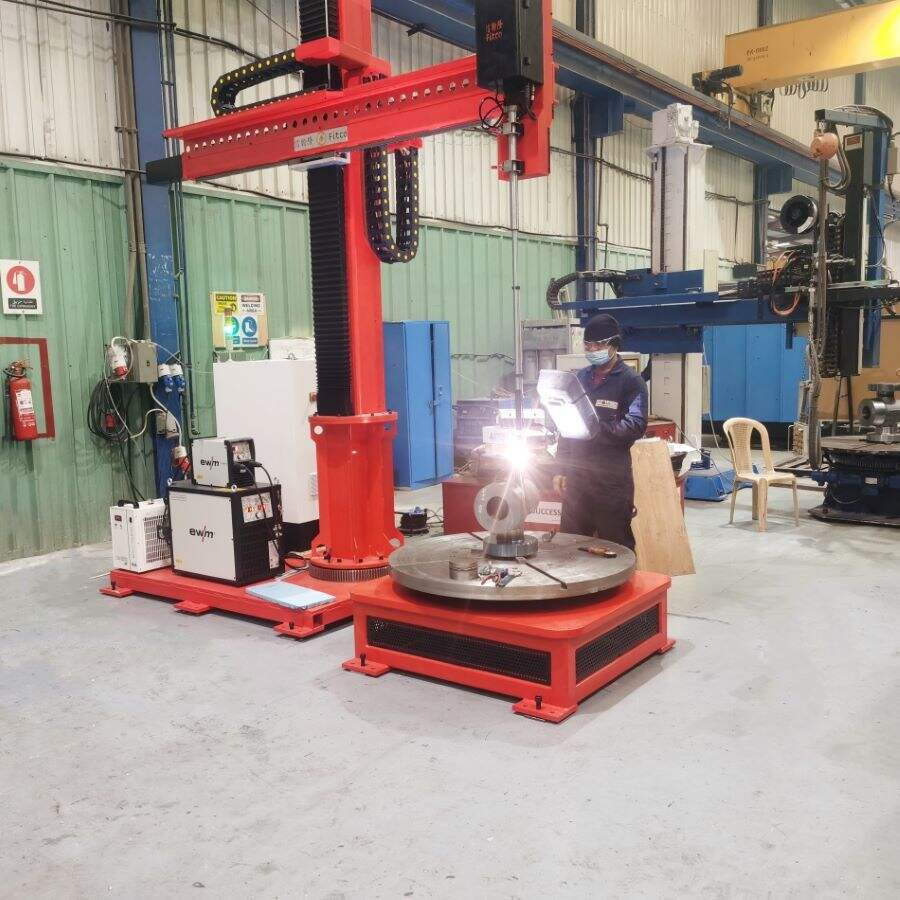
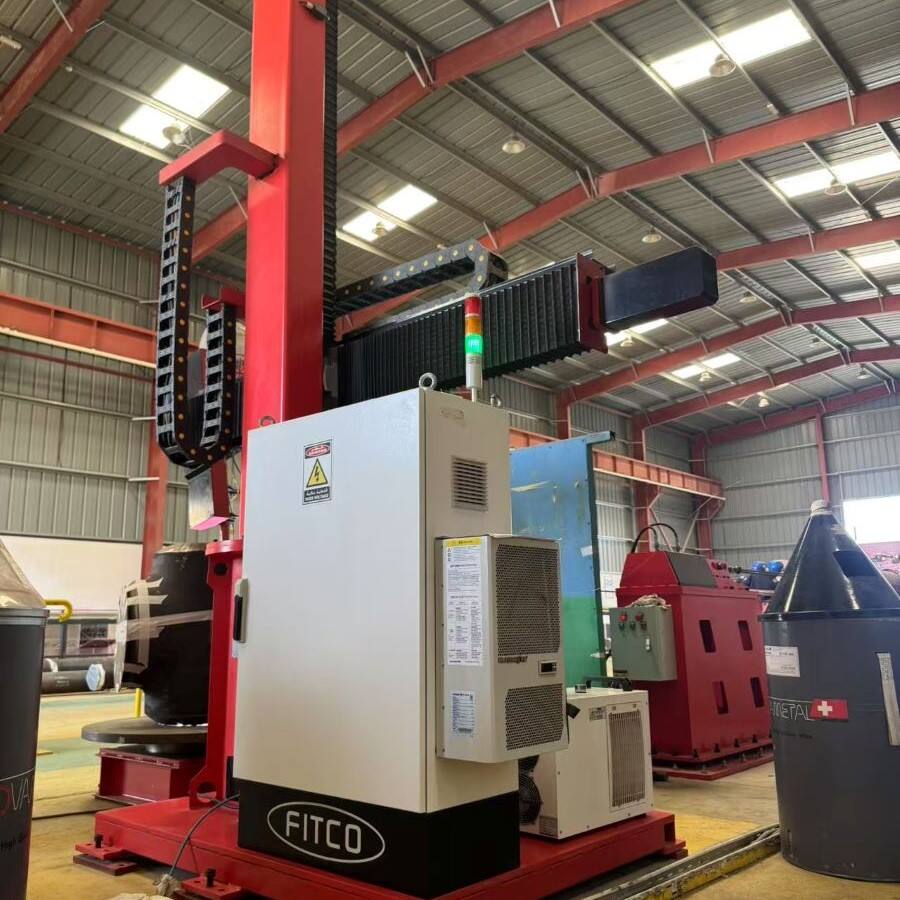
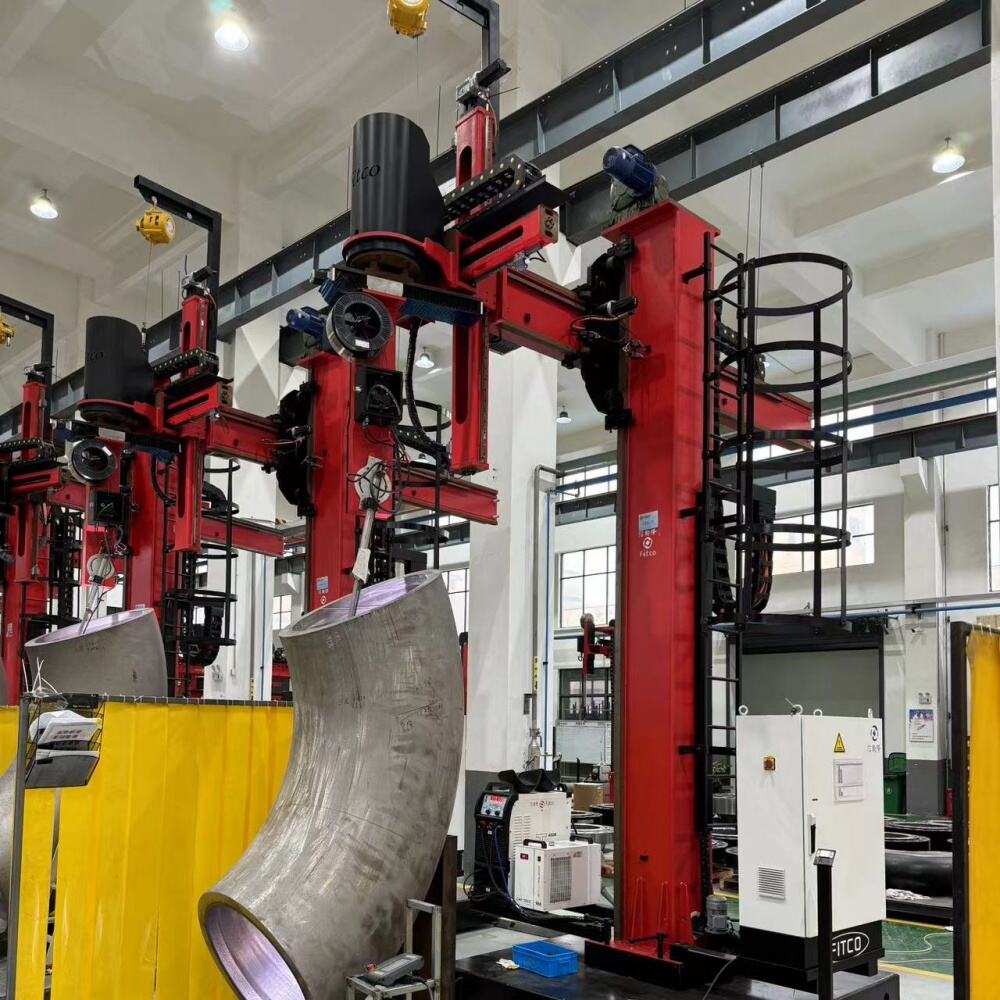
Sudarea echipamentelor grele reprezintă o ramură specializată a fabricației industriale, care se concentrează pe asamblarea componentelor metalice destinate mașinilor de mari dimensiuni și echipamentelor de construcții. Acest proces esențial implică utilizarea unor tehnici la temperaturi înalte pentru a fuziona piese metalice, creând astfel legături permanente capabile să reziste condițiilor extreme de funcționare. Sudarea echipamentelor grele cuprinde diverse metode, printre care sudarea cu electrod acoperit (stick welding), sudarea MIG, sudarea TIG și sudarea cu arc protejat de flux (flux-cored arc welding), fiecare dintre acestea fiind aleasă în funcție de cerințele specifice privind materialul și de factorii de mediu. Funcțiile principale ale sudării echipamentelor grele includ reparația structurală, înlocuirea componentelor, întărirea structurilor existente și fabricarea personalizată a pieselor specializate. Sudarea modernă a echipamentelor grele integrează caracteristici tehnologice avansate, cum ar fi sisteme automate de sudare, echipamente de precizie controlate de computer și dispozitive sofisticate de monitorizare, care asigură o calitate și o acuratețe constante. Aceste sisteme folosesc mecanisme de feedback în timp real pentru a ajusta automat parametrii, menținând astfel condiții optime de sudare pe întreaga durată a procesului. Aplicațiile sudării echipamentelor grele acoperă numeroase domenii industriale, printre care construcții, minerit, agricultură, transport și producție industrială. Companiile de construcții se bazează pe sudarea echipamentelor grele pentru întreținerea buldozerelor, excavatoarelor, macaralelor și altor mașini esențiale. Operațiunile miniere depind de serviciile de sudură pentru menținerea în stare de funcționare a sistemelor de transport pe bandă, a echipamentelor de extracție și a mașinilor de procesare. Firmele agricole au nevoie de expertiză în sudură pentru tractoare, combine și sisteme de irigații. Sectorul transporturilor utilizează sudarea echipamentelor grele pentru șasiurile camioanelor, remorcile și echipamentele speciale de transport. În uzinele de producție, serviciile de sudură sunt aplicate pentru mașinile de pe linii de producție, echipamentele de manipulare a materialelor și soluțiile personalizate de scule.

 EN
EN
 AR
AR BG
BG HR
HR CS
CS DA
DA NL
NL FI
FI FR
FR DE
DE EL
EL HI
HI IT
IT JA
JA KO
KO NO
NO PL
PL PT
PT RO
RO RU
RU ES
ES SV
SV TL
TL IW
IW ID
ID LT
LT UK
UK SQ
SQ HU
HU TH
TH TR
TR FA
FA AF
AF CY
CY MK
MK LA
LA MN
MN KK
KK UZ
UZ KY
KY