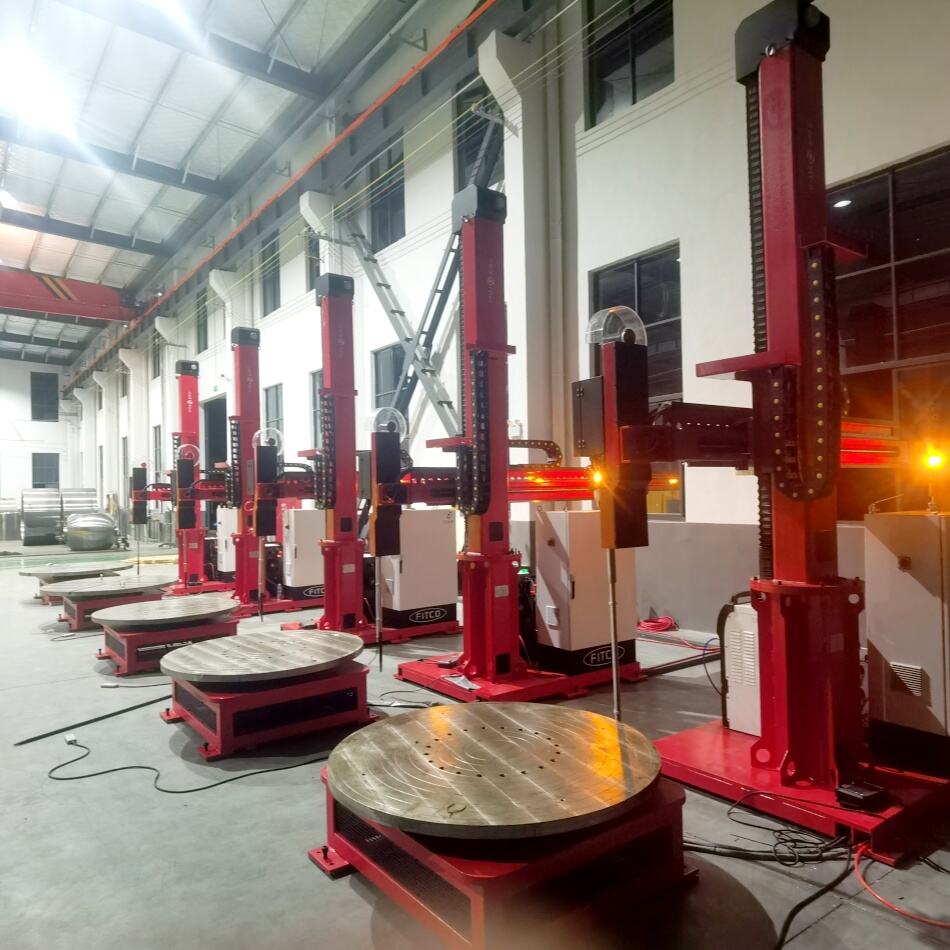
Advanced Automated Welding Systems - Precision Manufacturing Solutions for Industrial Applications

Contact me immediately if you encounter problems!

All Categories

Get a Free Quote

Our representative will contact you soon.
Email
Mobile/WhatsApp
Name
Company Name
Message
0/1000

Get a Free Quote

Our representative will contact you soon.
Email
Mobile/WhatsApp
Name
Company Name
Message
0/1000

automated welding system

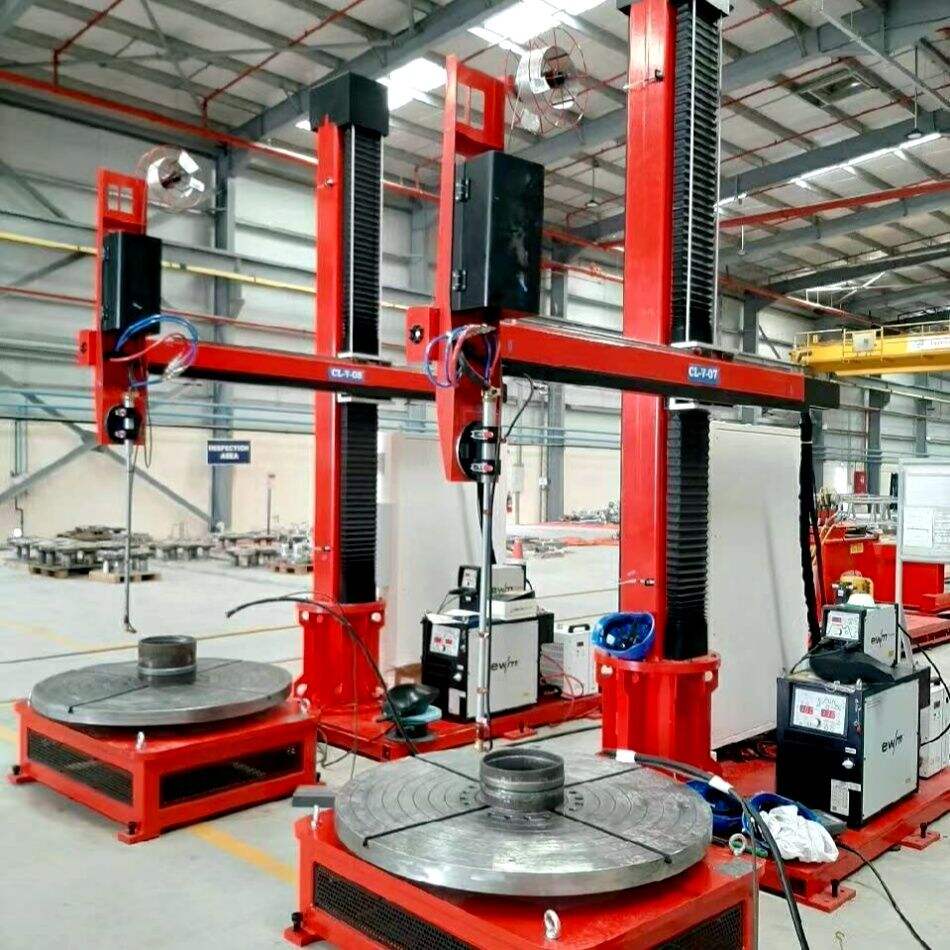
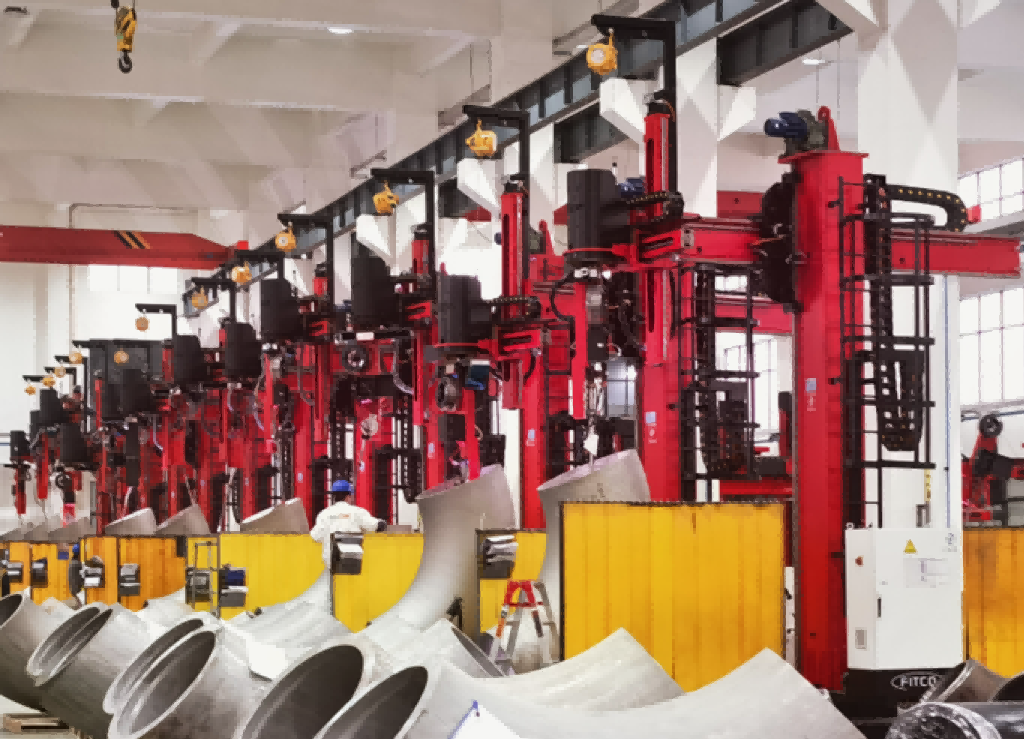
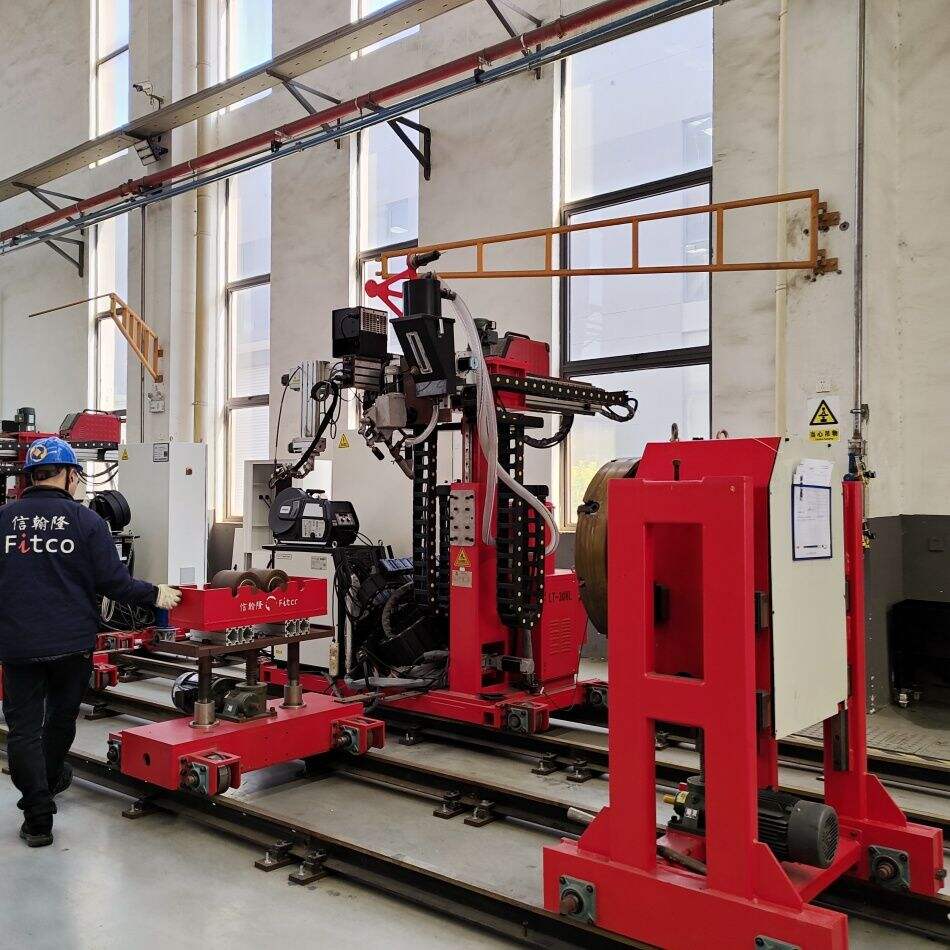
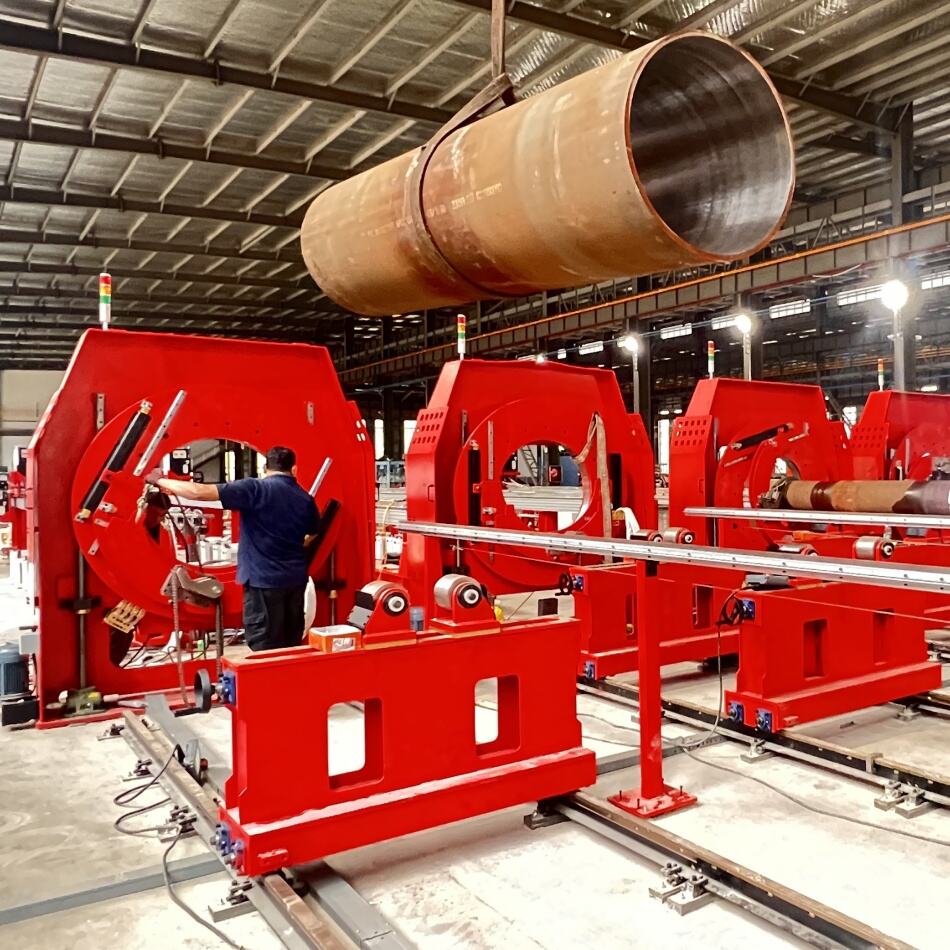
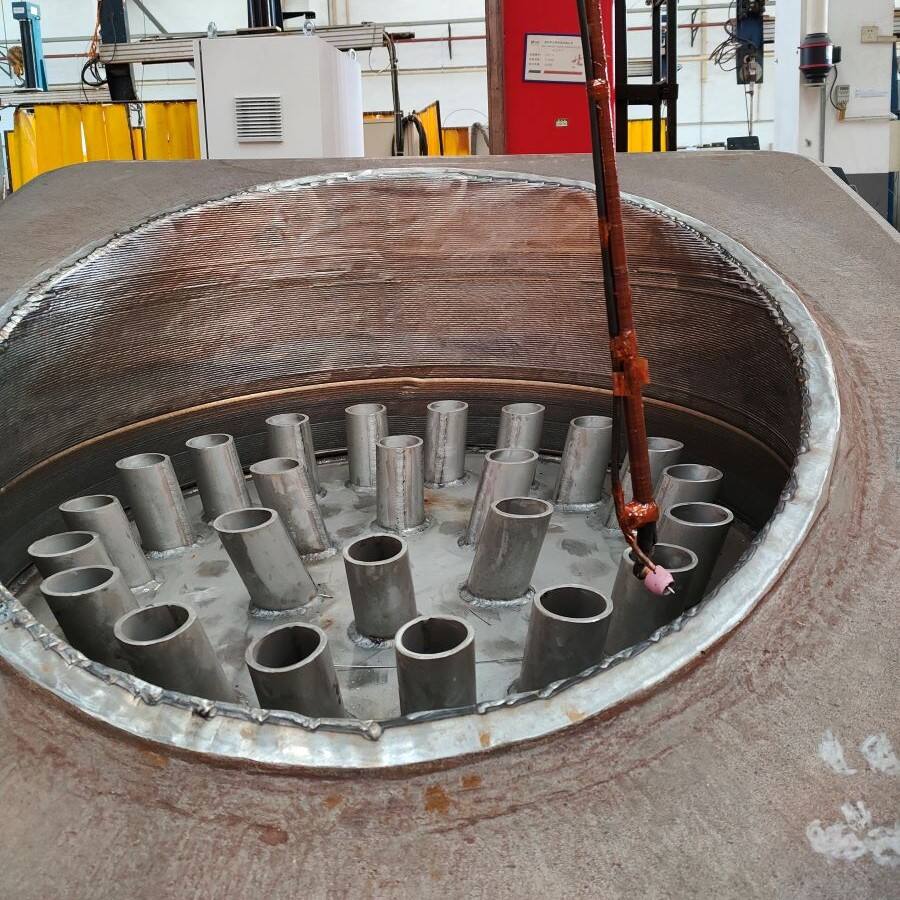
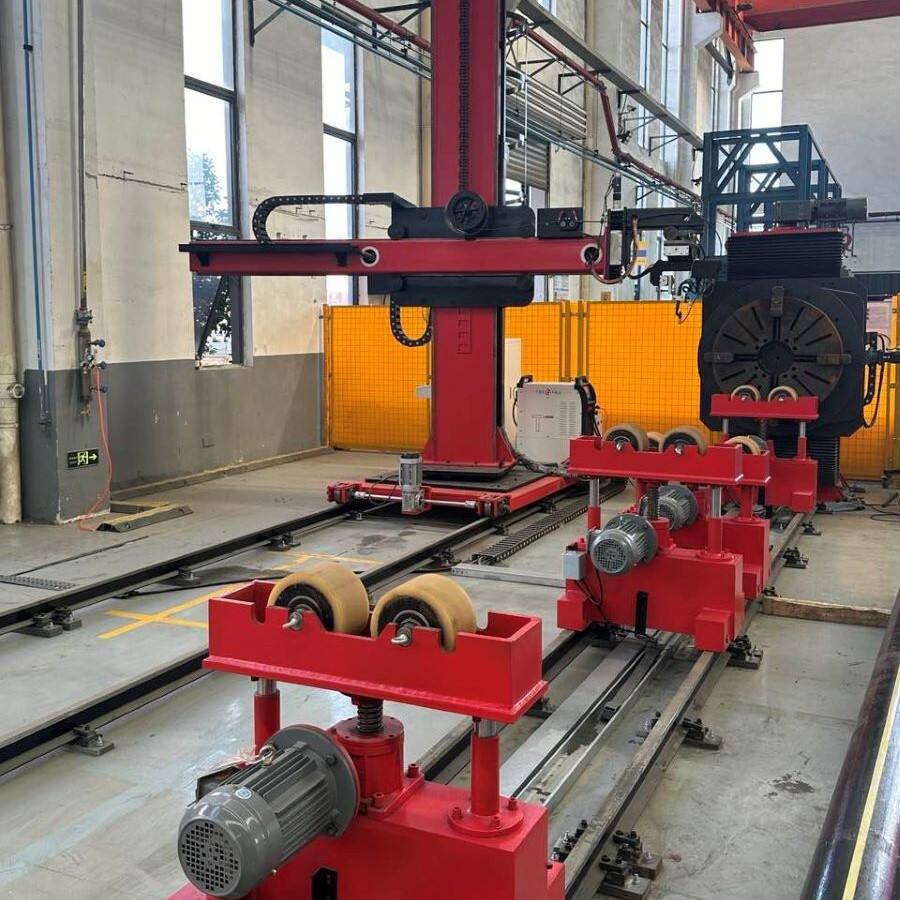
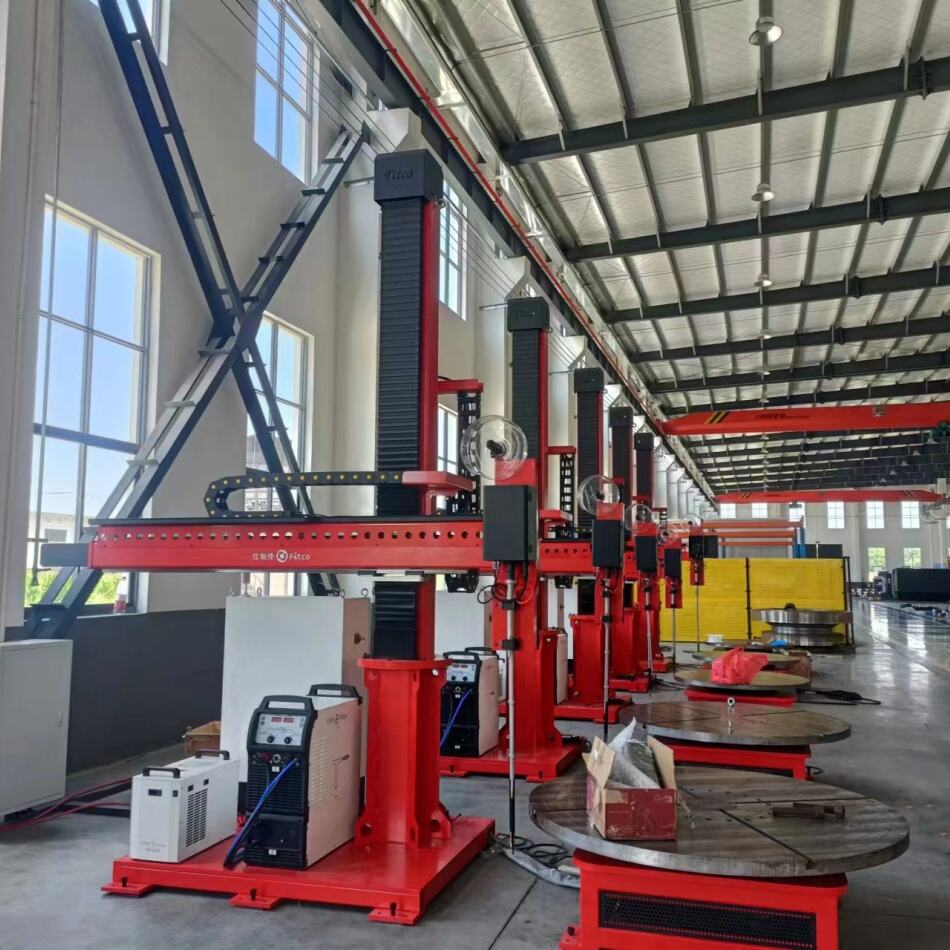
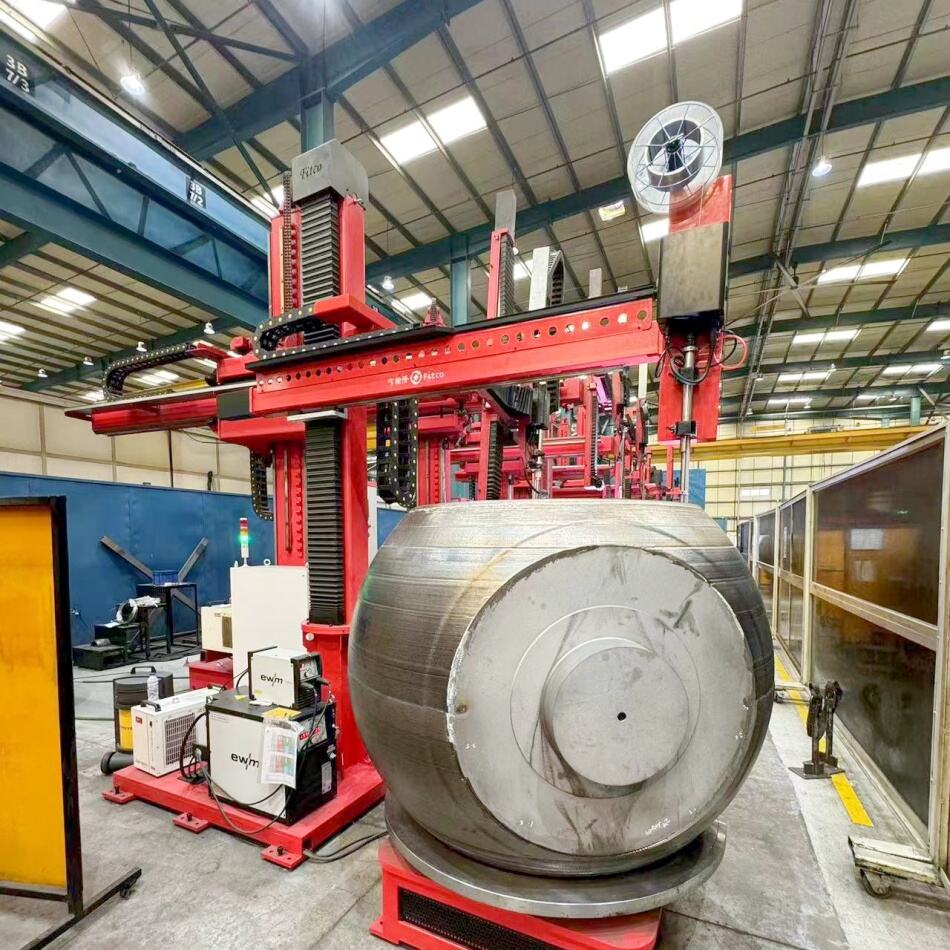
An automated welding system represents a sophisticated manufacturing solution that combines robotics, advanced sensors, and precise control mechanisms to perform welding operations with minimal human intervention. This technology transforms traditional manual welding processes by integrating computer-controlled equipment that executes welds with exceptional consistency and accuracy. The automated welding system comprises several core components including robotic arms, welding power sources, wire feeders, gas delivery systems, and sophisticated control software that orchestrates the entire operation. The main functions of an automated welding system encompass precise joint preparation, real-time arc monitoring, adaptive parameter adjustment, and quality control verification. These systems utilize various welding processes such as Gas Metal Arc Welding (GMAW), Gas Tungsten Arc Welding (GTAW), and Submerged Arc Welding (SAW), depending on application requirements. The technological features include programmable welding sequences, multi-axis positioning capabilities, seam tracking sensors, and integrated safety protocols. Advanced vision systems enable the automated welding system to identify joint locations, monitor penetration depth, and detect potential defects during the welding process. The applications span across automotive manufacturing, shipbuilding, pipeline construction, aerospace fabrication, and heavy machinery production. In automotive plants, automated welding systems create precise body panel joints and structural connections. Shipyards employ these systems for hull welding and deck assembly operations. Pipeline projects utilize automated welding systems for consistent circumferential welds on large-diameter pipes. Aerospace manufacturers rely on this technology for critical component fabrication where precision and repeatability are paramount. The automated welding system also finds applications in construction equipment manufacturing, pressure vessel fabrication, and structural steel assembly. These versatile systems adapt to various material types including carbon steel, stainless steel, aluminum alloys, and specialized metals, making them indispensable tools in modern manufacturing environments where quality, efficiency, and safety remain top priorities.

New Product Releases

The automated welding system delivers substantial benefits that revolutionize manufacturing operations and provide compelling returns on investment for businesses across industries. First and foremost, these systems dramatically improve weld quality consistency by eliminating human variability factors that typically affect manual welding outcomes. Every weld produced follows identical parameters, resulting in uniform penetration, consistent bead appearance, and reliable joint strength throughout production runs. This consistency reduces defect rates significantly, minimizing costly rework and material waste while ensuring products meet stringent quality standards. The automated welding system operates continuously with minimal supervision, enabling manufacturers to achieve higher production volumes within shorter timeframes. Unlike manual welders who require breaks and shift changes, these systems maintain steady output rates throughout extended operating periods, effectively doubling or tripling production capacity in many applications. Labor cost reduction represents another significant advantage, as automated welding systems require fewer skilled operators while performing tasks that would traditionally demand multiple experienced welders. The technology addresses the growing shortage of qualified welding professionals by reducing dependency on manual labor for routine welding operations. Safety improvements constitute a critical benefit, as automated welding systems remove operators from hazardous environments involving intense heat, toxic fumes, and bright arc radiation. This separation reduces workplace injuries, lowers insurance costs, and creates safer working conditions for remaining personnel. The automated welding system also provides enhanced precision through computer-controlled positioning and movement, enabling manufacturers to achieve tight tolerances and complex joint geometries that would be challenging or impossible with manual techniques. Material utilization improves substantially as precise wire feeding and optimized welding parameters minimize consumable waste. The systems generate comprehensive data logs that enable quality tracking, process optimization, and predictive maintenance scheduling. Long-term operational costs decrease due to reduced consumable waste, lower defect rates, minimal rework requirements, and extended equipment lifespan. Additionally, automated welding systems offer superior repeatability, ensuring that every component meets identical specifications regardless of production volume or timing, which proves essential for maintaining brand reputation and customer satisfaction in competitive markets.

Tips And Tricks

Top 5 Maintenance Tips to Extend the Life of Your welding machine

16

Mar

Top 5 Maintenance Tips to Extend the Life of Your welding machine

Proper maintenance is the cornerstone of maximizing your welding machine investment and ensuring consistent, high-quality welding performance throughout its operational lifespan. Industrial welding operations rely heavily on equipment reliability, an...
View More
How Does MIG Welding Equipment Enhance Efficiency in Large-Scale Work?

27

Nov

How Does MIG Welding Equipment Enhance Efficiency in Large-Scale Work?

In today's competitive manufacturing landscape, industrial operations demand maximum productivity while maintaining superior quality standards. MIG welding equipment has emerged as a cornerstone technology for large-scale fabrication projects, revolu...
View More
How to Calibrate Your mig welding equipment for Pulse Welding

16

Mar

How to Calibrate Your mig welding equipment for Pulse Welding

Calibrating mig welding equipment for pulse welding requires precise adjustments to achieve optimal arc characteristics and weld quality. This specialized process involves fine-tuning multiple parameters including pulse frequency, peak current, backg...
View More
How to Maintain Heating Plates on a butt fusion welding machine

16

Mar

How to Maintain Heating Plates on a butt fusion welding machine

Proper maintenance of heating plates on a butt fusion welding machine is critical for achieving consistent, high-quality pipe joints and extending equipment lifespan. These heating plates serve as the primary heat transfer component that brings therm...
View More

Get a Free Quote

Our representative will contact you soon.
Email
Mobile/WhatsApp
Name
Company Name
Message
0/1000

automated welding system

Precision Control and Advanced Sensor Integration

Precision Control and Advanced Sensor Integration

The automated welding system incorporates cutting-edge sensor technology and precision control mechanisms that establish new standards for welding accuracy and reliability in modern manufacturing environments. This sophisticated integration combines multiple sensor types including laser seam tracking, vision guidance systems, and real-time arc monitoring to create a comprehensive feedback loop that continuously optimizes welding parameters during operation. The precision control system utilizes high-resolution encoders and servo motors that position welding torches with submillimeter accuracy, ensuring consistent joint placement and optimal welding angles throughout complex assemblies. Advanced algorithms process sensor data in real-time, automatically adjusting travel speed, wire feed rates, and heat input to accommodate variations in joint geometry, material thickness, and thermal conditions. The vision system employs high-speed cameras and sophisticated image processing software to identify joint locations, detect fit-up variations, and monitor weld pool characteristics during the welding process. This visual feedback enables the automated welding system to adapt instantaneously to changing conditions, maintaining optimal welding parameters even when encountering unexpected variations in component positioning or material properties. The laser seam tracking technology provides three-dimensional joint mapping that guides the welding torch along complex paths with exceptional accuracy, eliminating the inconsistencies associated with manual torch guidance. Temperature monitoring sensors ensure proper heat input control, preventing overheating that could compromise material properties while ensuring adequate penetration for structural integrity. The integrated sensor network also includes wire stick-out monitoring, gas flow verification, and arc voltage analysis that collectively contribute to superior weld quality control. This comprehensive sensor integration delivers measurable benefits including reduced defect rates, improved first-pass success rates, and enhanced overall product quality that directly impacts customer satisfaction and manufacturing efficiency. The precision control capabilities enable manufacturers to tackle complex welding challenges that were previously considered unfeasible with conventional methods, opening new opportunities for innovative product designs and manufacturing approaches.
Flexible Programming and Adaptive Manufacturing Capabilities

Flexible Programming and Adaptive Manufacturing Capabilities

The automated welding system features sophisticated programming interfaces and adaptive manufacturing capabilities that provide unprecedented flexibility for diverse production requirements and changing market demands. The intuitive programming environment allows operators to create complex welding sequences through user-friendly graphical interfaces, eliminating the need for extensive programming expertise while enabling rapid setup modifications for different product configurations. This flexibility proves invaluable for manufacturers handling multiple product lines or frequent design changes, as welding programs can be modified, tested, and implemented within minimal downtime periods. The system supports both teach-pendant programming, where operators manually guide the robot through desired welding paths, and offline programming using computer-aided design data to generate welding sequences automatically. Advanced path planning algorithms optimize torch movements to minimize cycle times while ensuring smooth, efficient welding motions that reduce stress on mechanical components and improve overall system longevity. The adaptive manufacturing capabilities enable the automated welding system to accommodate varying part dimensions, different material types, and changing production volumes without requiring extensive reconfiguration or additional equipment investments. Multi-process welding capabilities allow single systems to perform different welding techniques on the same workpiece, switching between processes based on joint requirements and material specifications. The system stores unlimited welding programs in its memory, enabling rapid changeovers between different products through simple program selection procedures. Recipe management functions maintain consistent welding parameters for specific applications while allowing authorized personnel to modify settings for process optimization or new product introduction. The automated welding system also supports remote monitoring and programming capabilities, enabling engineers to adjust parameters, troubleshoot issues, and optimize performance from centralized locations. Integration with manufacturing execution systems provides real-time production data, quality metrics, and performance analytics that support continuous improvement initiatives. This programming flexibility and adaptive capability combination enables manufacturers to respond quickly to customer requirements, implement design changes efficiently, and maintain competitive advantages in rapidly evolving markets while maximizing return on automation investments through extended system utilization across diverse applications.
Enhanced Safety Features and Operational Reliability

Enhanced Safety Features and Operational Reliability

The automated welding system incorporates comprehensive safety features and robust reliability mechanisms that create secure working environments while ensuring consistent production output and minimizing unplanned downtime risks. Advanced safety systems include multiple redundant protection layers such as light curtains, pressure-sensitive mats, emergency stop circuits, and collision detection algorithms that immediately halt operations when potential hazards are detected. The enclosed welding environment effectively contains welding fumes, spatter, and intense light emissions, protecting nearby personnel from exposure to hazardous welding byproducts while maintaining optimal working conditions in surrounding areas. Integrated fume extraction systems automatically activate during welding operations, removing toxic gases and particulates from the work area to ensure compliance with occupational health and safety regulations. The automated welding system features sophisticated collision avoidance technology that continuously monitors robot movements and workpiece positioning to prevent equipment damage and maintain operational safety throughout complex welding sequences. Emergency shutdown procedures can be activated from multiple locations, ensuring immediate response capabilities when safety concerns arise during operation or maintenance activities. The system includes comprehensive fault detection and diagnostic capabilities that continuously monitor critical parameters such as power supply status, gas flow rates, wire feed consistency, and mechanical component performance to identify potential issues before they impact production or safety. Predictive maintenance algorithms analyze operational data to schedule maintenance activities proactively, reducing unexpected failures and extending equipment lifespan while maintaining peak performance levels. Robust mechanical construction using high-grade materials and precision manufacturing techniques ensures reliable operation under demanding industrial conditions, including temperature variations, vibration exposure, and continuous duty cycles. The automated welding system incorporates redundant communication pathways and backup systems that maintain operational capability even when individual components require maintenance or replacement. Comprehensive operator training programs and detailed safety procedures ensure personnel understand proper operation protocols, emergency response procedures, and maintenance requirements for safe system utilization. Regular safety audits and compliance verification procedures maintain adherence to industry standards and regulatory requirements throughout the system lifecycle. These enhanced safety features and reliability mechanisms deliver tangible benefits including reduced workplace injuries, lower insurance costs, improved regulatory compliance, and consistent production output that supports long-term business success and sustainable manufacturing operations.

Get a Free Quote

Our representative will contact you soon.
Email
Mobile/WhatsApp
Name
Company Name
Message
0/1000