Арзан материалдарды оптималдуу колдонуу, бирок иштөө сапатын төмөндөтпөй
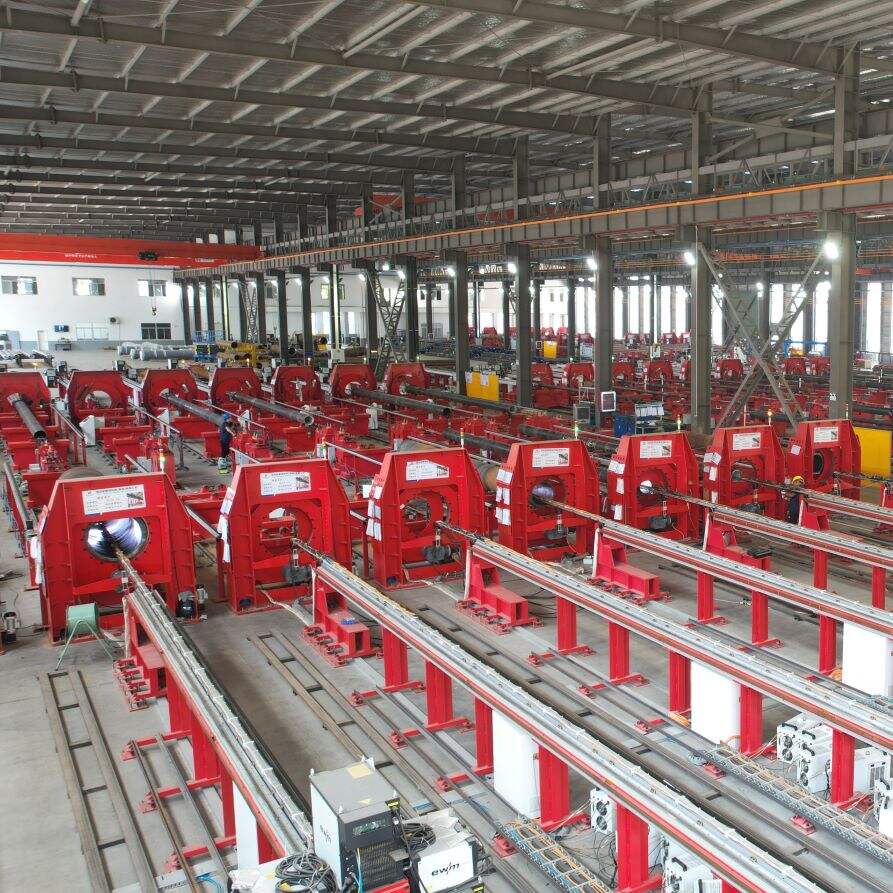
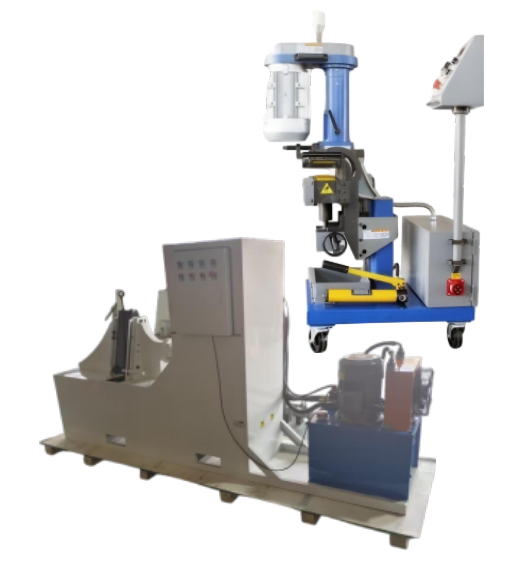
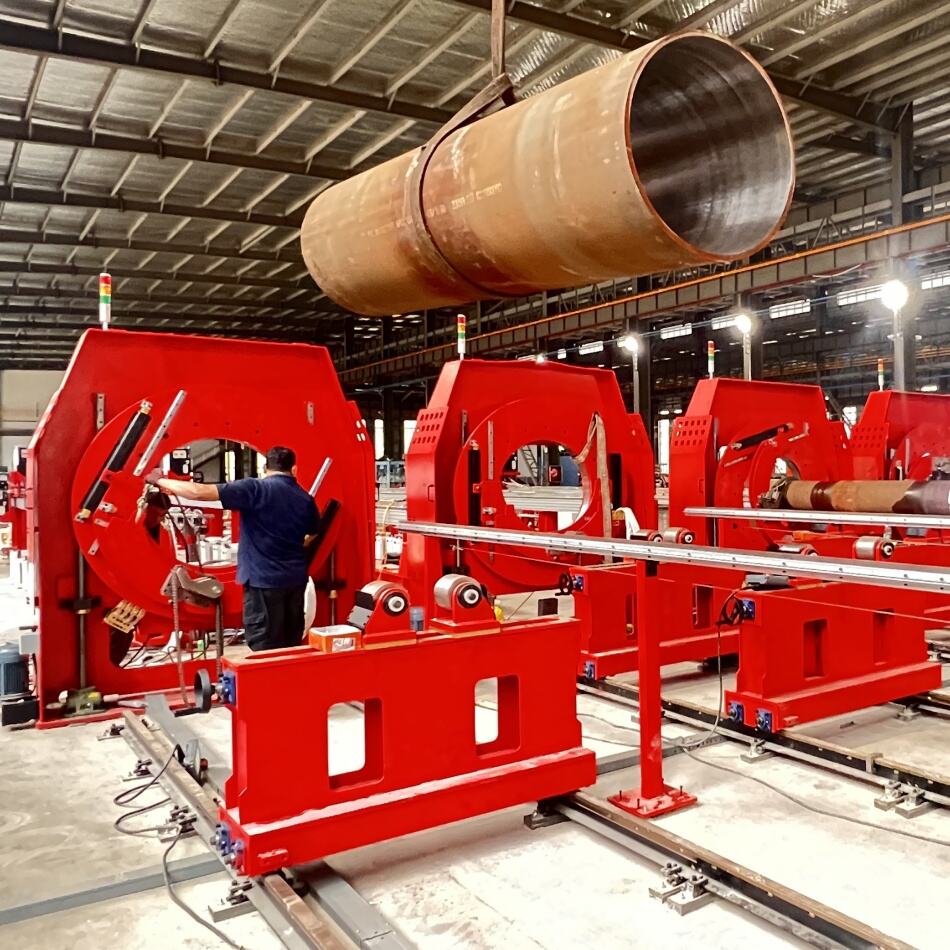
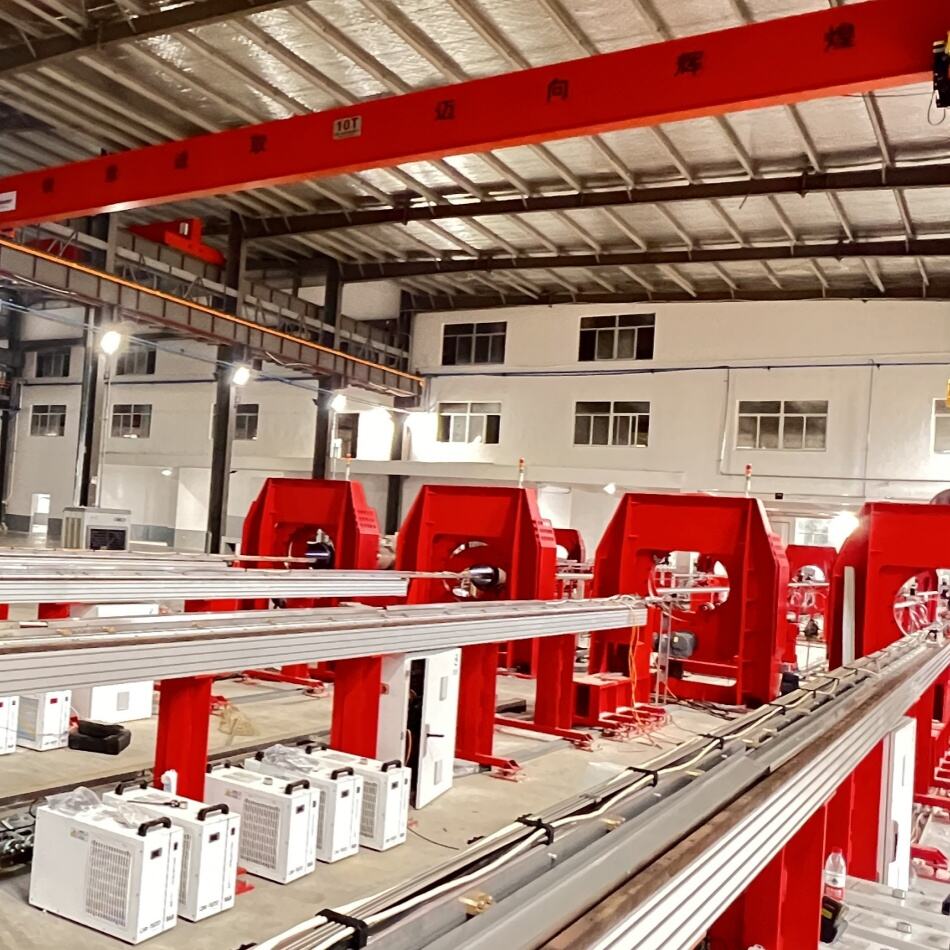
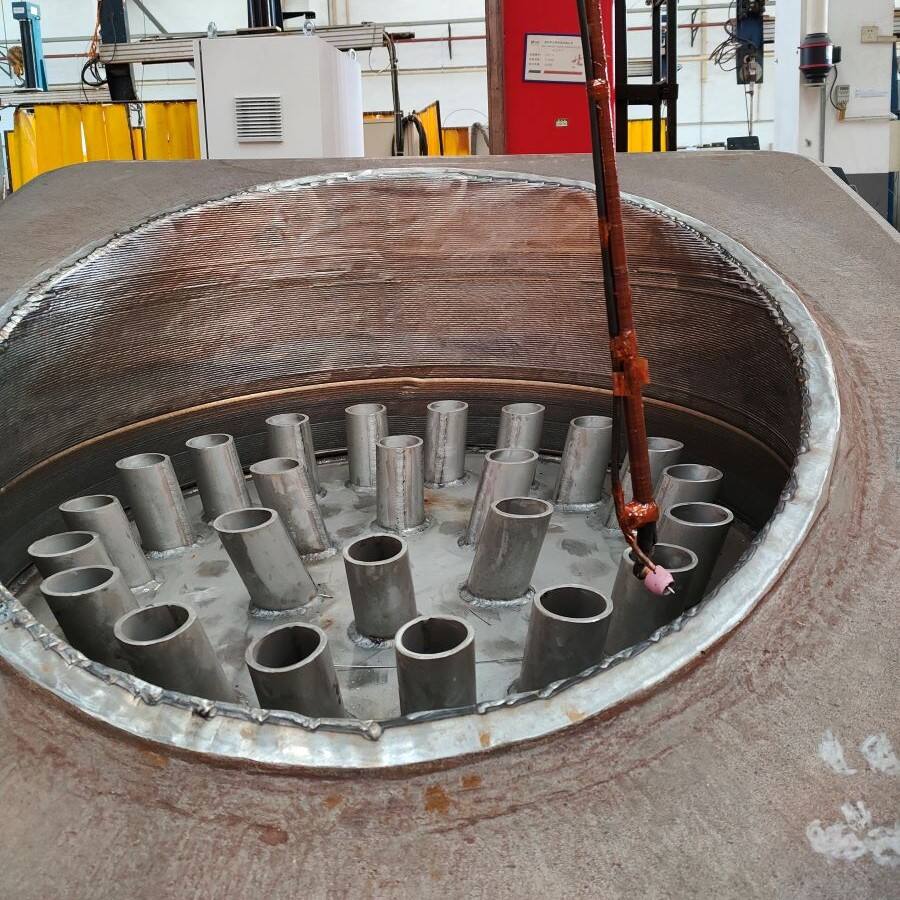
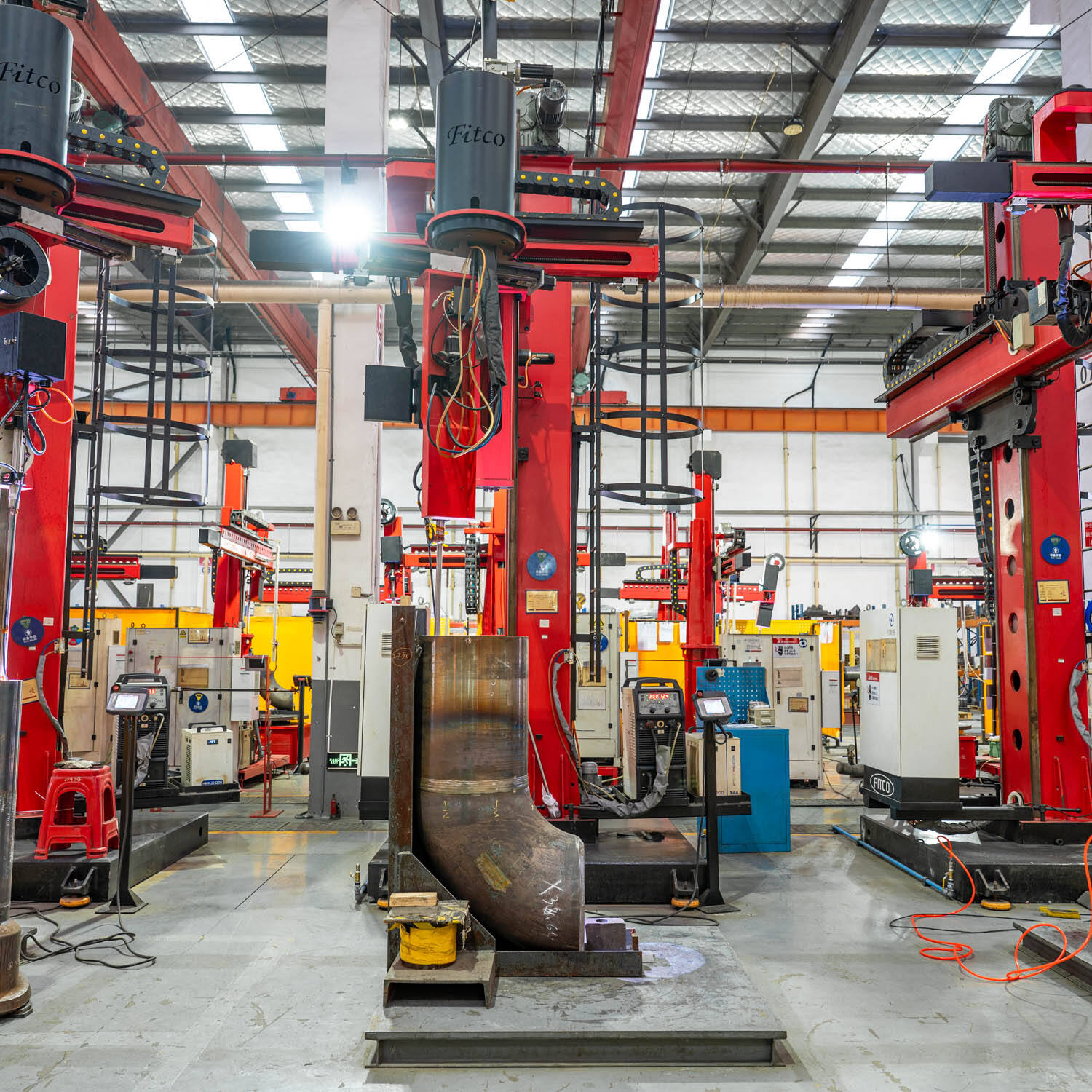
Түтүк түзүлүшүнүн процесси жогорку сапаттуу, бирок кымбат талаа алдыларындын жалгыз гана керектүүлүгүнө ылайыктуу жайгаштыруусу аркылуу материалдык экономиканы түзүлүштүк колдонуу менен өзгөртөт, ал эми конструкциялык каршылык үчүн арзан негизги материалдарды колдонот. Бул акылдуу материалдык таркалоо ыкмасы компоненттердин жалпы баасын жогорку сапаттуу алдылардан толук түзүлгөн компоненттерге караганда 60–80% чейин төмөндөтүп, бирок идентичдүү же жогорку деңгээлдүү иштөө касиеттерин сактайт. Бул экономикалык артыкчылык Гастеллой, Инконел же титан алдылары сыяктуу экзотикалык материалдар менен иштегенде айрыкча белгилүү болот, анткени мындай кымбат материалдардан толук түзүлгөн майда компоненттер да жогорку баада сатылат. Түтүк түзүлүшүнүн процесси аркылуу бул кымбат материалдар гана коргоо же иштөө үчүн керектүү калыңдыкта, ошондой эле колдонуу талабына жараша 3–12 миллиметрди түзүү үчүн гана жумшалат. Негизги материалдын тандоосу беттин иштөө касиеттерине эмес, структуралык жетиштүүлүгүнө жана түтүктөөгө жарамдуулугуна негизделет, бул арзан углероддук же төмөн легирленген болотторду колдонууга мүмкүндүк берет, алардын баасы арзан специалдык материалдарга караганда бир нече эсе төмөн. Түтүк түзүлүшүнүн процесси аркылуу тазалоо операцияларын жөнөкөйлөтүп, түтүктөн кийинки иштетүүнүн минималдуу көлөмүн талап кылат, бул өндүрүштүн эффективдүүлүгүнө жардам берет. Жумшалган бет көпчүлүк учурда туурасынан окшош өлчөмдөрдү талап кылат, бул кыйын специалдык алдылардын тезиси үчүн арзан тезис талап кылган жана узун цикл узактыгын талап кылган тазалоо операцияларын жок кылат. Стандарттык негизги материалдардын колдонулушу аркылуу запас башкаруу эффективдүүрөк болот, анткени бир нече түтүк түзүлүшүнүн опцияларын камсыз кылуу үчүн бир нече түрдөгү кымбат сырьёлорду сактоо зарыл эмес. Бул процесс өзгөрүүчү техникалык талаптарга же клиенттердин талаптарына кыска убакытта жооп берүүгө мүмкүндүк берет, бирок маанилүү дәрэжеде сырьёнын чачырандысы же өндүрүштүн узартылган убакыты пайда болбойт. Сыналган процесстин надеждүүлүгү жана таанылган текшерүү ыкмалары аркылуу сапатын текшерүүнүн баасы төмөндөтүлөт. Көрсөтмөсүз текшерүү ыкмалары түтүк түзүлүшүнүн бүтүндүгүн жана калыңдыгын талап кылган деңгээлде текшерип, компоненттердин иштөөсүнө ишенүүгө мүмкүндүк берет, бул үчүн кымбат киргизилген текшерүүлөр керек эмес. Түтүк түзүлүшүнүн процесси инженерлерге компоненттин ар бир зонасында так керектүү материалдын касиеттерин талап кылууга мүмкүндүк берет, бул иштөөнү максималдуу деңгээлде камсыз кылганда бааны минималдуу деңгээлге чейин төмөндөтүп, дизайнды оптималдаштырат. Бул тармакталган ыкма жогорку сапаттуу материалдардан толук түзүлгөн компоненттердин баасы татаал болгон ири компоненттер үчүн айрыкча маанилүү.

 EN
EN
 AR
AR BG
BG HR
HR CS
CS DA
DA NL
NL FI
FI FR
FR DE
DE EL
EL HI
HI IT
IT JA
JA KO
KO NO
NO PL
PL PT
PT RO
RO RU
RU ES
ES SV
SV TL
TL IW
IW ID
ID LT
LT UK
UK SQ
SQ HU
HU TH
TH TR
TR FA
FA AF
AF CY
CY MK
MK LA
LA MN
MN KK
KK UZ
UZ KY
KY