Overlay Cladding Solutions: Advanced Surface Protection Technology for Industrial Applications

Contact me immediately if you encounter problems!

All Categories

Get a Free Quote

Our representative will contact you soon.
Email
Mobile/WhatsApp
Name
Company Name
Message
0/1000

Get a Free Quote

Our representative will contact you soon.
Email
Mobile/WhatsApp
Name
Company Name
Message
0/1000

overlay cladding

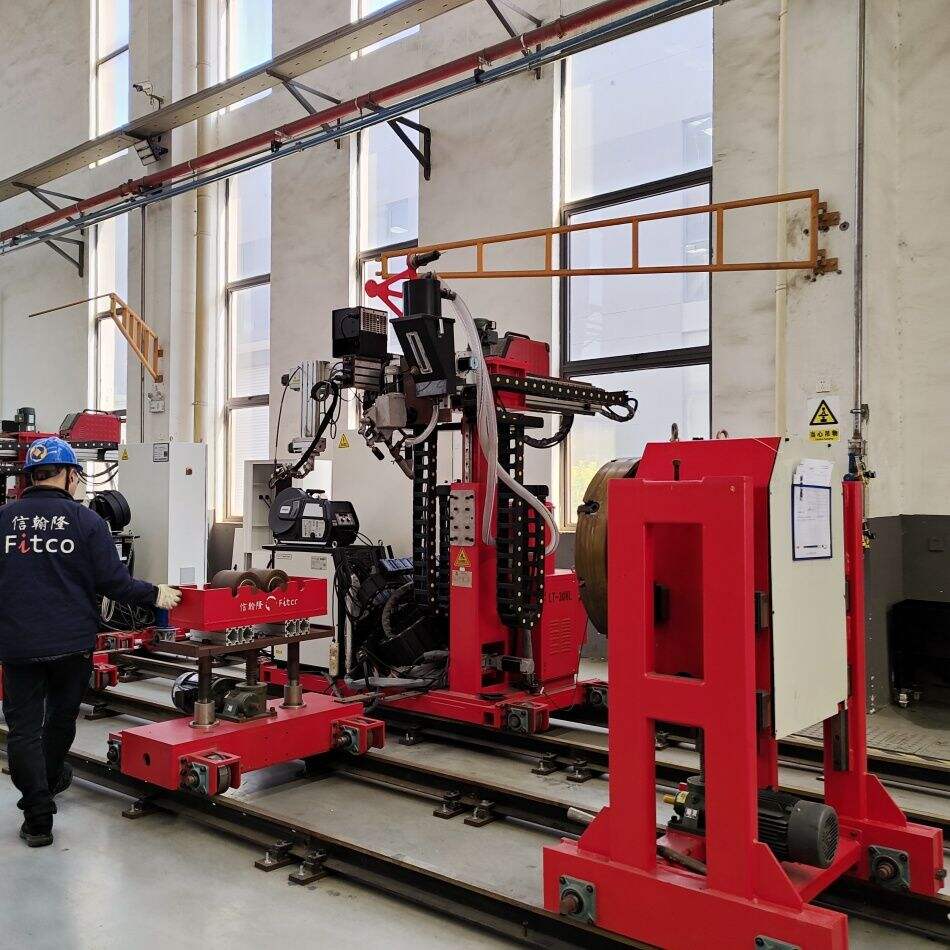
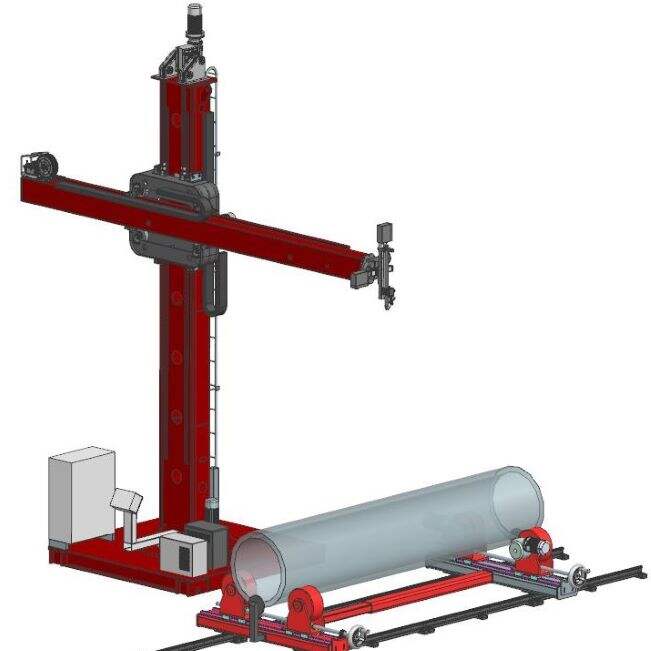
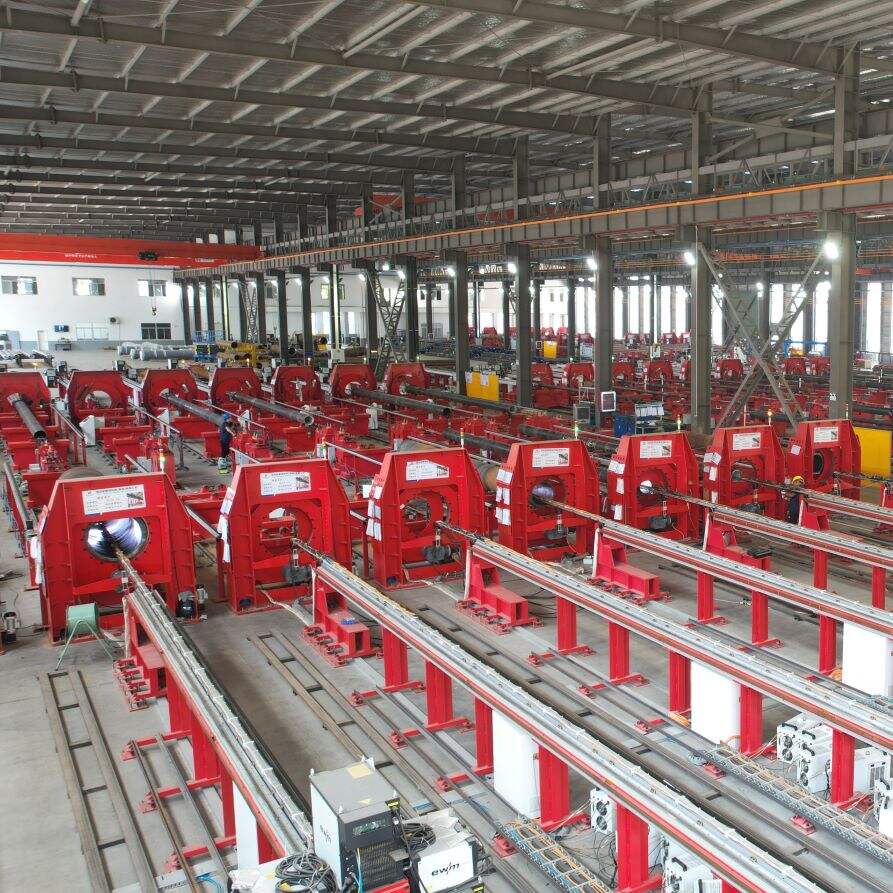
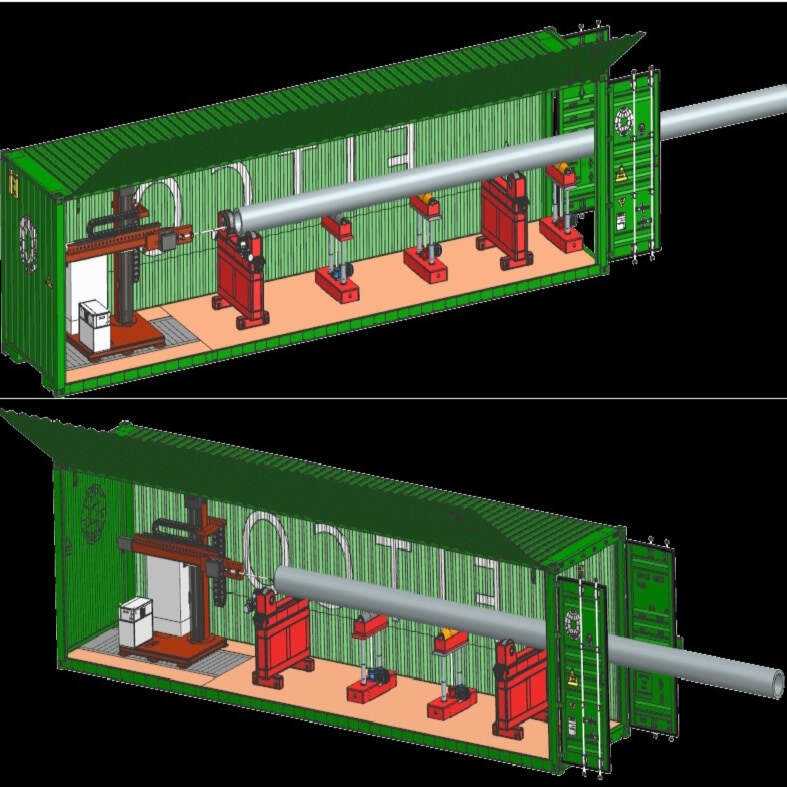
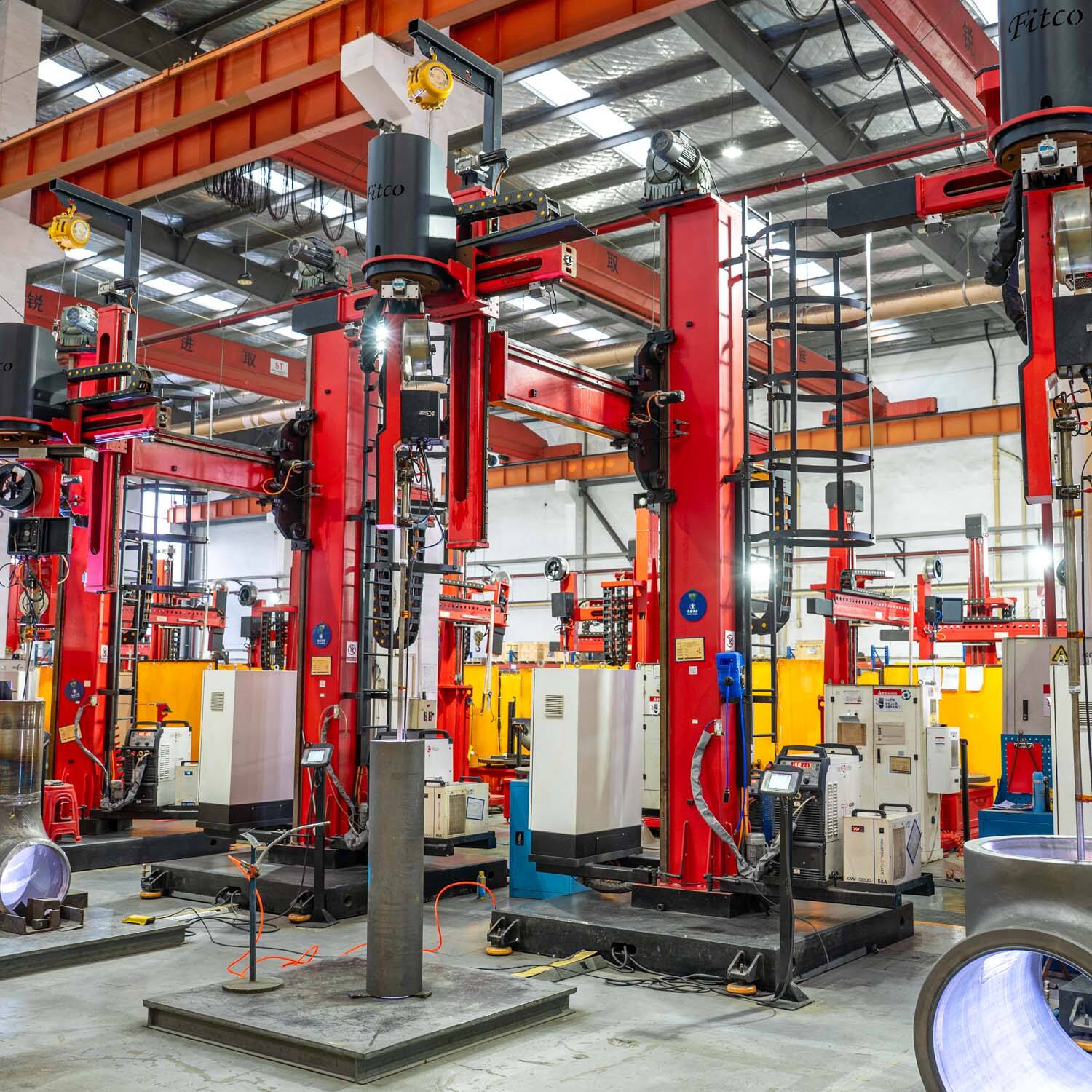
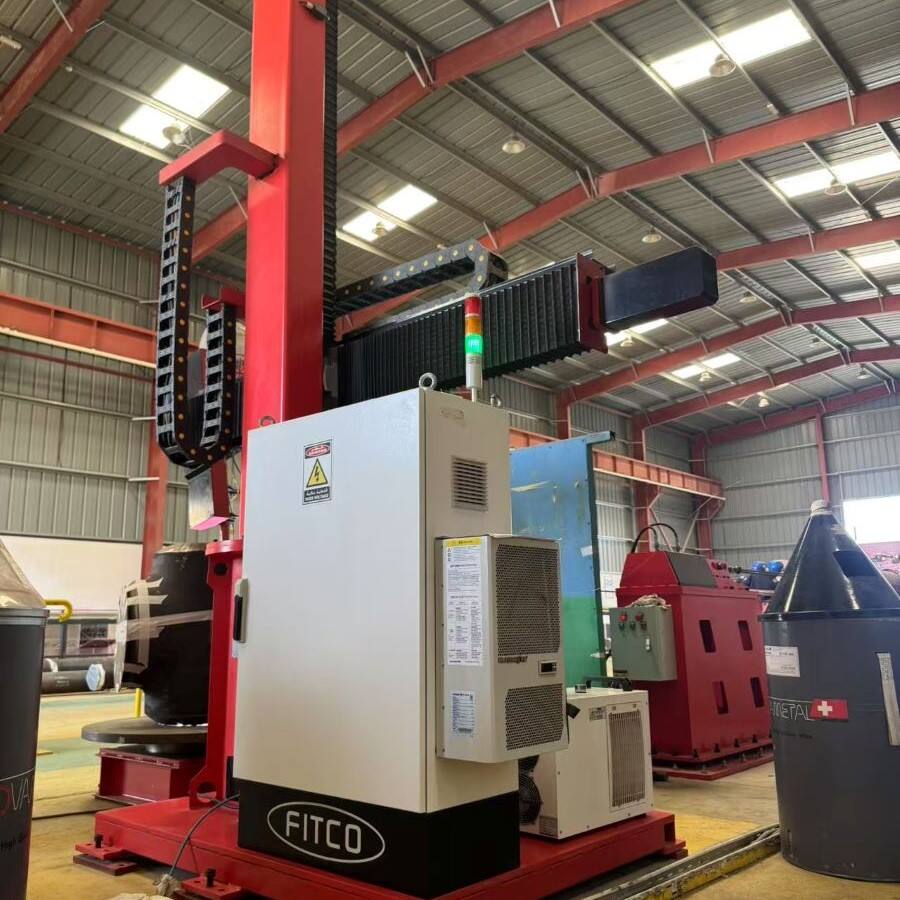
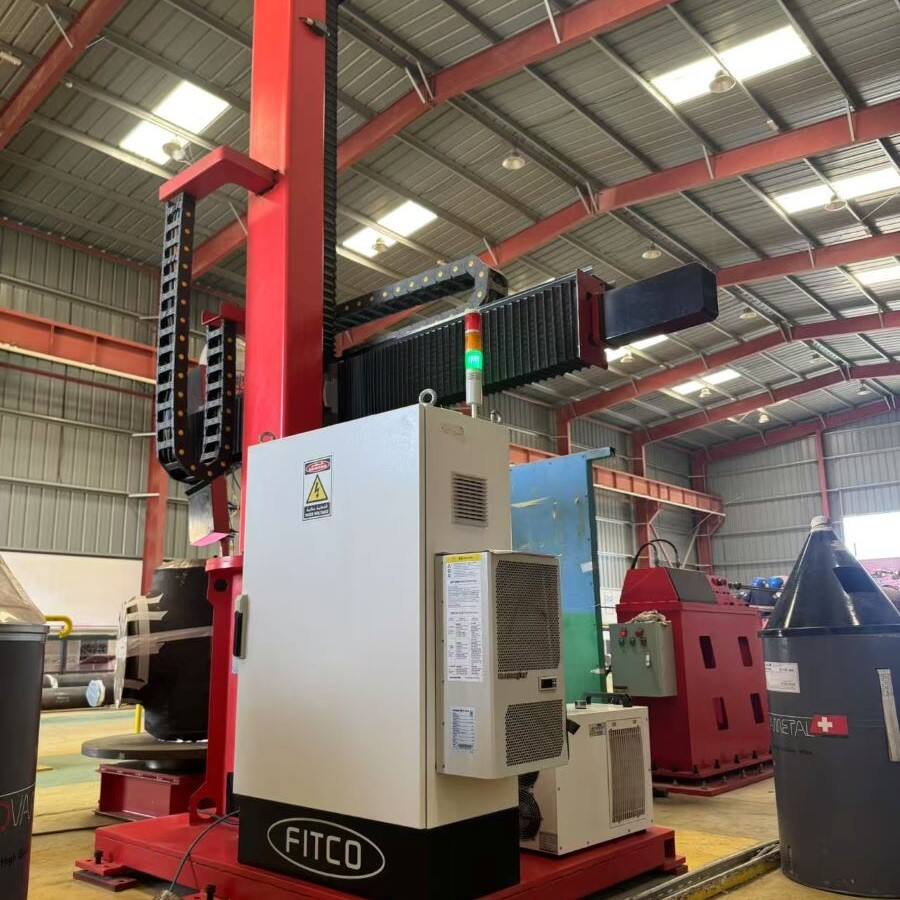
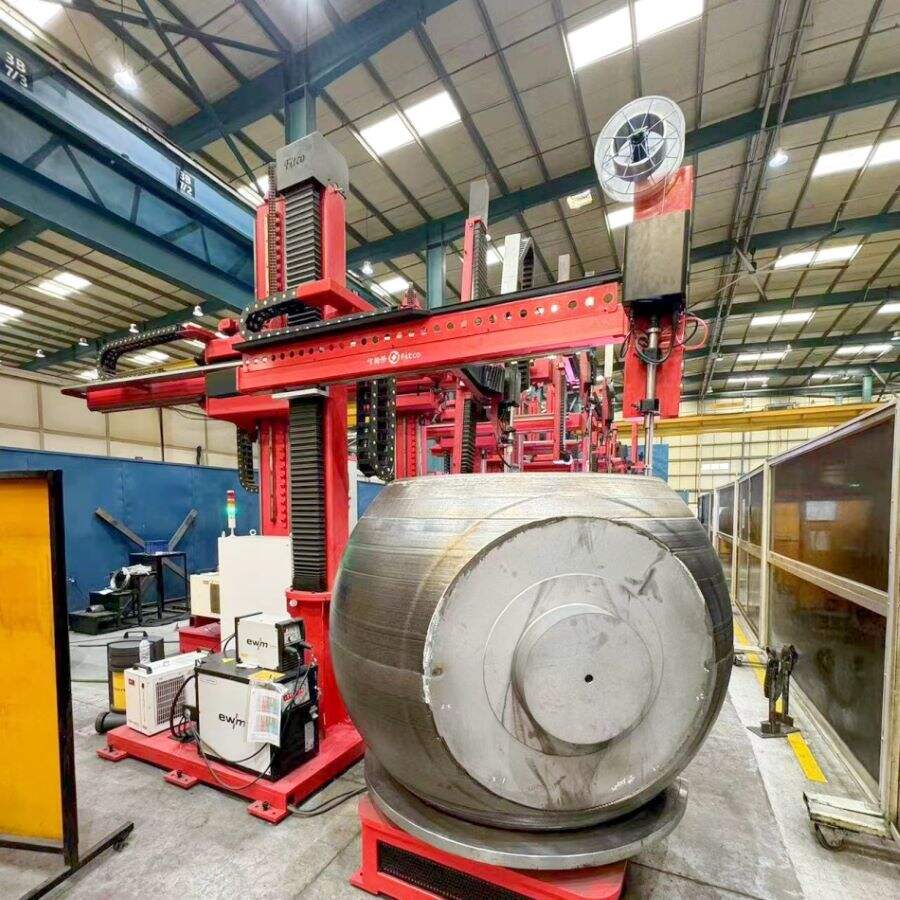
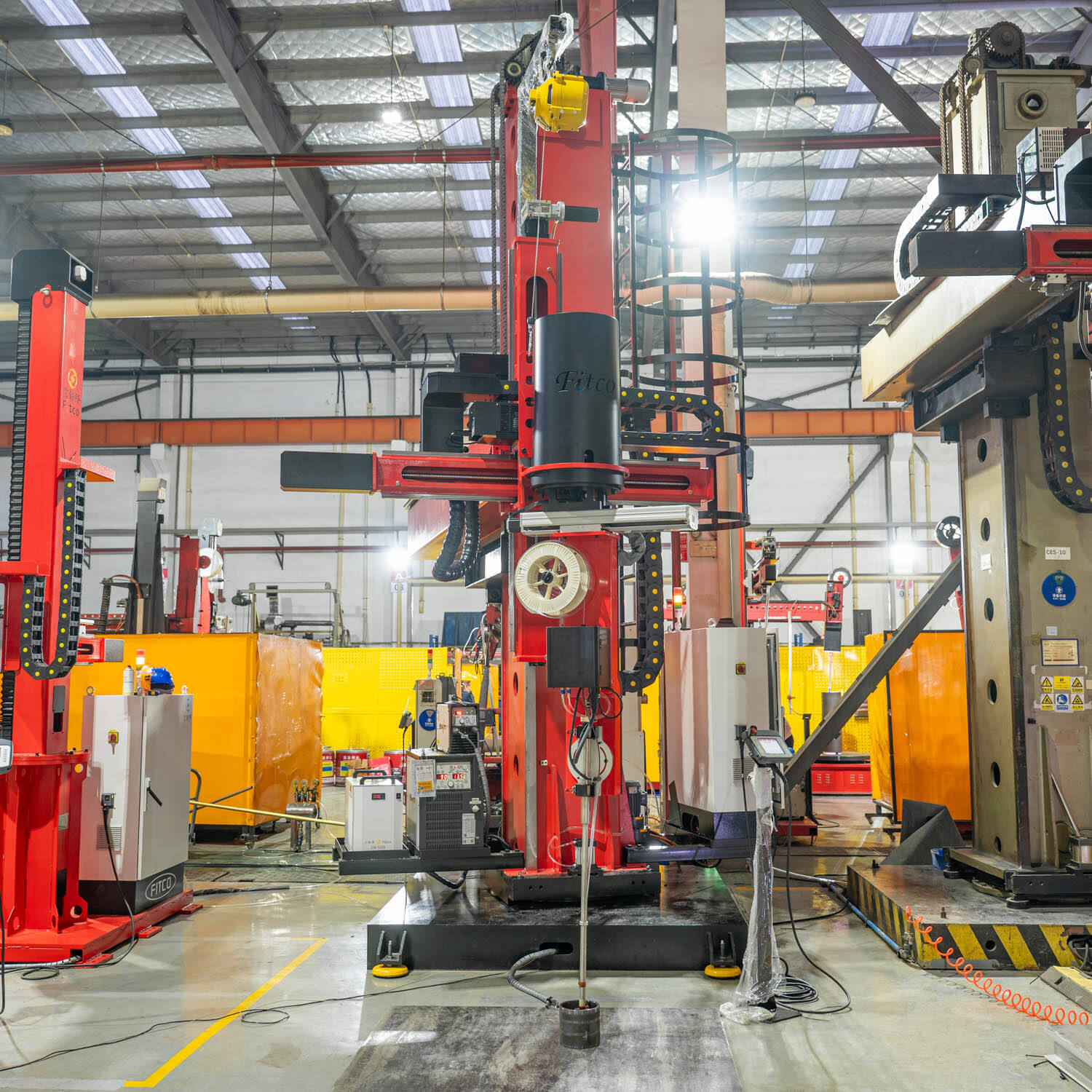
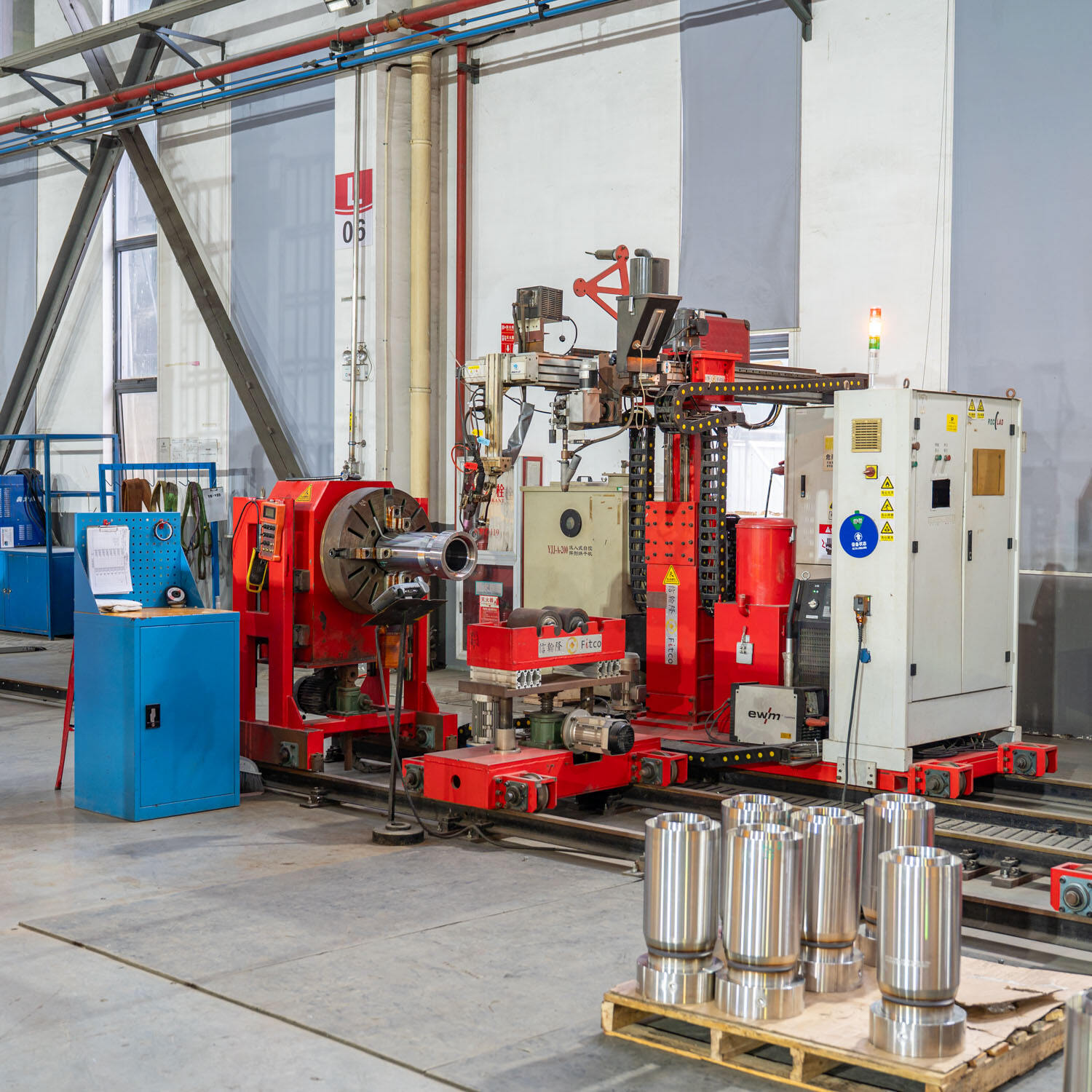
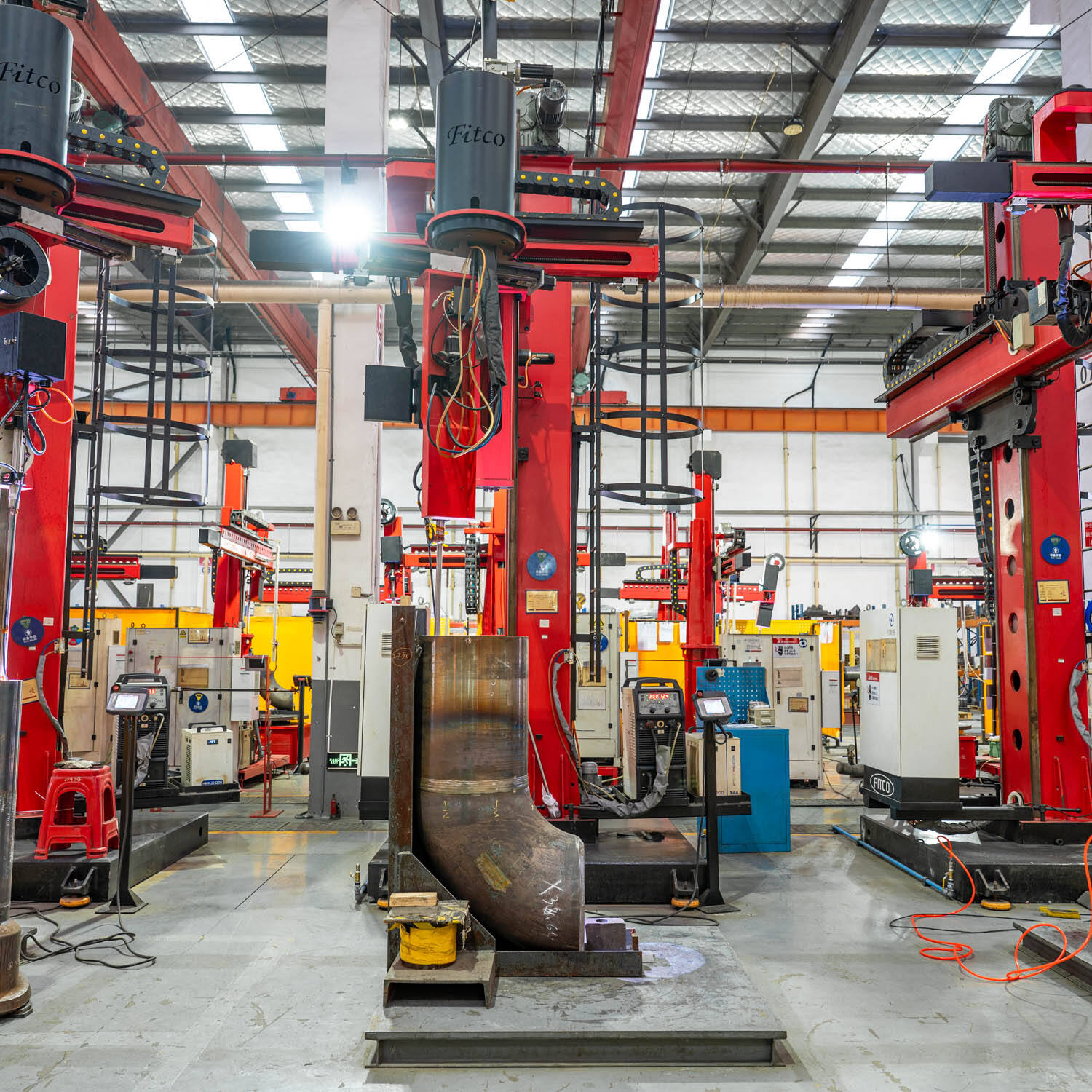
Overlay cladding represents a cutting-edge surface protection technology that involves applying a thin layer of superior material onto a base substrate to enhance performance characteristics and extend operational lifespan. This advanced metallurgical process creates a composite structure where the overlay material bonds metallurgically with the underlying surface, forming an integral protective barrier that significantly improves wear resistance, corrosion protection, and overall durability. The overlay cladding process utilizes various deposition techniques including thermal spraying, laser cladding, welding processes, and specialized coating applications to achieve optimal material properties. The primary functions of overlay cladding encompass surface hardening, dimensional restoration, corrosion resistance enhancement, and performance optimization across diverse industrial applications. This technology enables manufacturers to combine the structural strength of base materials with the superior surface properties of specialized alloys, creating cost-effective solutions that would otherwise require expensive solid materials throughout the entire component. Technological features of overlay cladding include precise thickness control, excellent adhesion characteristics, minimal heat-affected zones, and the ability to apply multiple material compositions in targeted areas. The process allows for selective enhancement of critical wear zones while maintaining the core structural integrity of the base component. Modern overlay cladding systems incorporate advanced monitoring technologies, automated application processes, and quality control measures that ensure consistent material properties and reliable performance outcomes. Applications span across numerous industries including oil and gas, mining, power generation, aerospace, automotive, and heavy machinery sectors. Critical components such as valve seats, pump impellers, drill bits, turbine blades, and industrial rollers benefit significantly from overlay cladding treatments. The versatility of this technology enables customized solutions for specific operational environments, whether addressing extreme temperatures, corrosive chemicals, abrasive particles, or high-stress mechanical conditions. Overlay cladding delivers measurable improvements in component performance while reducing maintenance requirements and extending service intervals.

Popular Products

Overlay cladding delivers exceptional cost-effectiveness by eliminating the need for expensive solid alloy components throughout entire structures. Instead of manufacturing complete parts from premium materials, overlay cladding applies specialized alloys only where needed, reducing material costs by up to seventy percent while maintaining superior performance characteristics. This targeted approach maximizes resource utilization and provides significant economic advantages for manufacturers seeking high-performance solutions within budget constraints. The enhanced durability provided by overlay cladding extends component service life dramatically, often doubling or tripling operational periods between replacements. This longevity translates directly into reduced downtime, lower maintenance expenses, and improved operational efficiency across industrial applications. Components treated with overlay cladding demonstrate superior resistance to wear, corrosion, and thermal cycling, maintaining dimensional stability and performance characteristics throughout extended service periods. Overlay cladding offers unmatched versatility in material selection, allowing engineers to combine different alloy systems for optimal performance in specific operating environments. Whether addressing high-temperature oxidation, chemical corrosion, abrasive wear, or impact resistance requirements, overlay cladding enables precise material matching to operational demands. This flexibility ensures optimal performance while avoiding over-engineering and excessive material costs. The process provides exceptional dimensional restoration capabilities, enabling rehabilitation of worn or damaged components to original specifications or improved performance levels. Rather than replacing expensive equipment, overlay cladding can restore critical dimensions while simultaneously upgrading surface properties for enhanced future performance. This restoration capability offers substantial cost savings compared to component replacement and reduces industrial waste significantly. Quality control advantages include consistent material properties, predictable performance outcomes, and reliable bond strength between overlay and substrate materials. Advanced application techniques ensure uniform thickness distribution, excellent metallurgical bonding, and minimal defects in the finished overlay cladding system. Environmental benefits include reduced material consumption, extended component lifecycles, and decreased replacement frequency, contributing to sustainable manufacturing practices. The ability to restore rather than replace components reduces industrial waste streams while conserving natural resources. Overlay cladding supports circular economy principles by maximizing component utility and minimizing environmental impact throughout the product lifecycle.

Latest News

The Role of overlay cladding in Refurbishing Heavy Machinery

16

Mar

The Role of overlay cladding in Refurbishing Heavy Machinery

Heavy machinery operates under extreme conditions, facing constant wear from abrasion, corrosion, and mechanical stress that gradually degrades critical components. When expensive equipment begins showing signs of deterioration, manufacturers and ope...
View More
Understanding the Duty Cycle of Your Heavy-Duty arc welding machine

16

Mar

Understanding the Duty Cycle of Your Heavy-Duty arc welding machine

The duty cycle of an arc welding machine represents one of the most critical specifications that determines its operational capabilities and longevity in heavy-duty industrial applications. This measurement defines how long your arc welding machine c...
View More
Mastering Aluminum: Why an acdc tig welder is Non-Negotiable

16

Mar

Mastering Aluminum: Why an acdc tig welder is Non-Negotiable

Aluminum welding presents unique challenges that demand specialized equipment, making the choice of welding technology critical for achieving professional results. The metallurgical properties of aluminum, including its high thermal conductivity, oxi...
View More
Which Materials Weld Best with Longitudinal TIG Equipment?

13

Jan

Which Materials Weld Best with Longitudinal TIG Equipment?

Manufacturing industries increasingly rely on advanced welding technologies to achieve superior joint quality and production efficiency. Among the various welding methods available, longitudinal TIG equipment has emerged as a critical solution for ap...
View More

Get a Free Quote

Our representative will contact you soon.
Email
Mobile/WhatsApp
Name
Company Name
Message
0/1000

overlay cladding

Superior Wear Resistance and Surface Protection

Superior Wear Resistance and Surface Protection

Overlay cladding delivers unparalleled wear resistance through the strategic application of specialized alloy systems designed to withstand extreme operational conditions. This advanced surface protection technology creates a metallurgically bonded interface between high-performance overlay materials and substrate components, resulting in wear rates that are typically reduced by eighty to ninety-five percent compared to untreated surfaces. The overlay cladding process enables precise control over surface hardness, achieving values ranging from 45 to 65 HRC depending on application requirements and material selection. This exceptional hardness is maintained throughout the overlay thickness, ensuring consistent protection even as surface wear progresses over time. The technology incorporates carbide-forming elements, intermetallic compounds, and specialized crystal structures that provide superior resistance to abrasive particles, sliding wear, and impact damage. Unlike traditional surface treatments that may create brittle interfaces or shallow hardened zones, overlay cladding produces a gradual transition from the hard surface layer to the tough substrate material, eliminating stress concentration points that could lead to premature failure. The wear resistance mechanisms include work hardening characteristics that actually improve surface properties under operational stress, creating a self-strengthening effect that enhances performance over time. This unique behavior ensures that overlay cladding maintains protective capabilities throughout extended service periods, providing reliable protection against the most demanding wear conditions. Applications in mining equipment, oil drilling components, and heavy machinery demonstrate measurable improvements in operational efficiency, with some components achieving service lives exceeding ten times that of conventional materials. The economic impact of this enhanced wear resistance includes reduced replacement frequency, decreased maintenance requirements, and improved operational uptime, delivering substantial return on investment for industrial operations.
Advanced Corrosion Resistance and Chemical Protection

Advanced Corrosion Resistance and Chemical Protection

Overlay cladding provides exceptional corrosion resistance through the application of specialized alloy systems engineered to withstand aggressive chemical environments and extreme operating conditions. This advanced protection technology creates a barrier layer that effectively isolates base materials from corrosive media, preventing degradation mechanisms that typically lead to component failure and costly maintenance interventions. The overlay cladding process enables the application of corrosion-resistant alloys such as stainless steels, nickel-based superalloys, and specialized chemical-resistant compositions that would be prohibitively expensive if used throughout entire component structures. These overlay materials demonstrate superior resistance to pitting corrosion, crevice corrosion, stress corrosion cracking, and general surface degradation in environments containing chlorides, acids, alkalis, and other aggressive chemicals. The metallurgical bonding achieved during overlay cladding application ensures complete coverage without gaps, pinholes, or discontinuities that could compromise corrosion protection. This seamless barrier prevents the initiation of localized corrosion cells that often develop at coating defects or interface boundaries in conventional surface treatments. Temperature cycling resistance represents another critical advantage of overlay cladding systems, maintaining protective properties through repeated heating and cooling cycles that would cause conventional coatings to crack, spall, or delaminate. The thermal expansion compatibility between overlay and substrate materials prevents stress-induced failures while maintaining corrosion resistance throughout operational temperature ranges. Electrochemical protection mechanisms inherent in overlay cladding systems provide active corrosion resistance, with noble overlay materials serving as sacrificial barriers that protect underlying structures. This galvanic protection effect extends beyond the immediate overlay zone, providing area protection that benefits adjacent surfaces and connection points. Industrial applications in chemical processing, marine environments, and power generation demonstrate the exceptional performance of overlay cladding in preventing corrosion-related failures and extending equipment service life significantly.
Cost-Effective Performance Enhancement and Asset Optimization

Cost-Effective Performance Enhancement and Asset Optimization

Overlay cladding represents the most cost-effective approach to achieving premium material performance while maintaining economic viability across industrial applications. This innovative technology enables manufacturers to combine the structural benefits of standard engineering materials with the surface properties of expensive specialized alloys, creating hybrid components that deliver superior performance at a fraction of the cost required for solid premium materials. The economic advantages of overlay cladding extend beyond initial material savings, encompassing reduced manufacturing complexity, simplified inventory management, and enhanced design flexibility that supports optimized component configurations. Rather than constraining designs to accommodate expensive material limitations, overlay cladding enables engineers to specify optimal geometries and structural configurations while applying premium surface properties only where required. The asset optimization capabilities of overlay cladding include the restoration of worn equipment to original specifications or enhanced performance levels, eliminating the need for costly component replacement and extending operational lifecycles significantly. This restoration approach provides immediate cost savings while improving future performance characteristics through upgraded surface properties. Dimensional restoration accuracy achievable through overlay cladding typically exceeds tolerances of plus or minus 0.002 inches, enabling precise rehabilitation of critical surfaces and interfaces. Maintenance cost reduction represents a substantial benefit of overlay cladding systems, with treated components requiring significantly less frequent service intervals and reduced repair requirements throughout their operational lives. The improved reliability and predictable performance characteristics of overlay-clad components enable optimized maintenance scheduling and reduced inventory requirements for replacement parts. Return on investment calculations for overlay cladding typically demonstrate payback periods of twelve to twenty-four months, with continued savings throughout extended component lifecycles. The technology supports lean manufacturing principles by reducing waste, minimizing material consumption, and maximizing component utility while delivering consistent quality outcomes. Strategic implementation of overlay cladding across industrial operations creates compound savings through improved efficiency, reduced downtime, and enhanced operational reliability that extends far beyond individual component cost considerations.

Get a Free Quote

Our representative will contact you soon.
Email
Mobile/WhatsApp
Name
Company Name
Message
0/1000