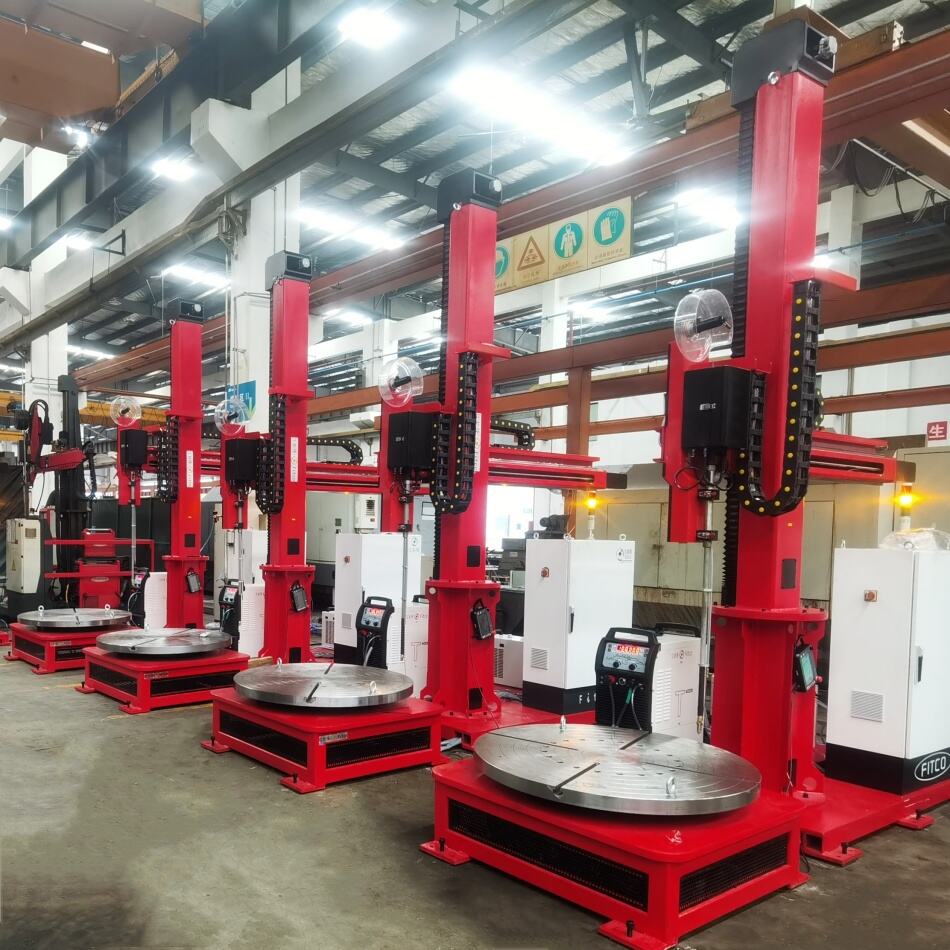
Advanced Automated Welding Equipment - Precision, Safety, and Productivity Solutions

Contact me immediately if you encounter problems!

All Categories

Get a Free Quote

Our representative will contact you soon.
Email
Mobile/WhatsApp
Name
Company Name
Message
0/1000

Get a Free Quote

Our representative will contact you soon.
Email
Mobile/WhatsApp
Name
Company Name
Message
0/1000

automated welding equipment

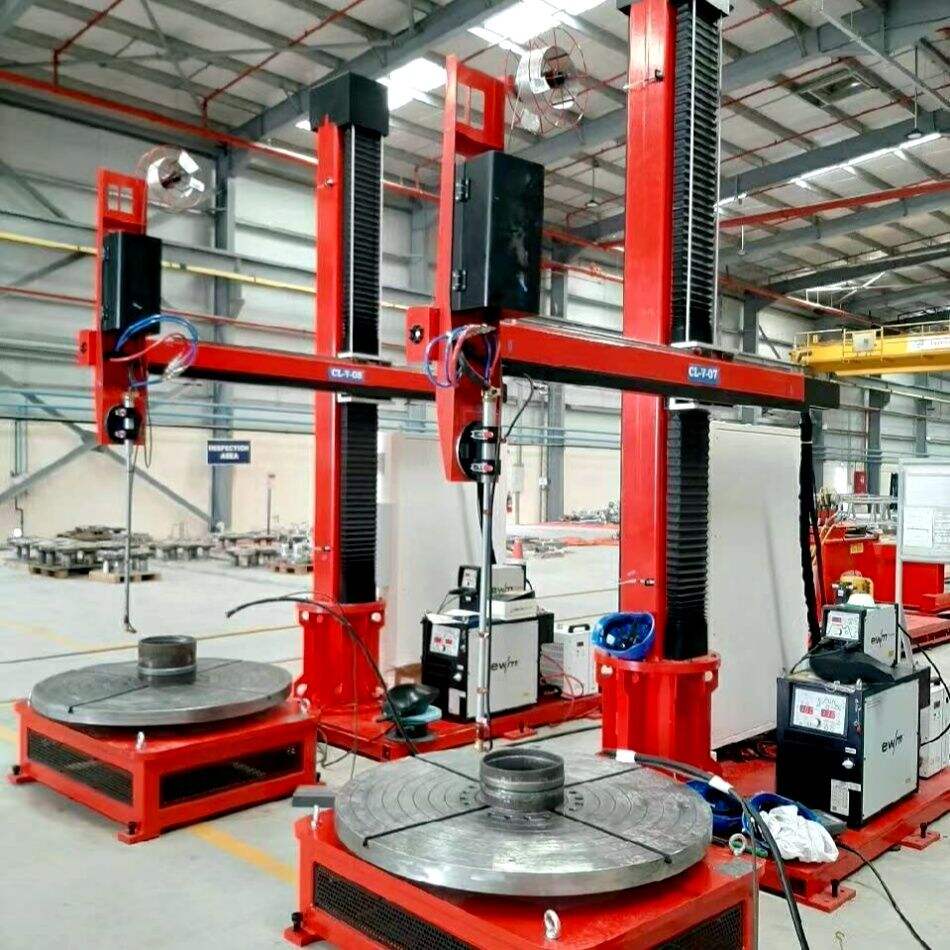
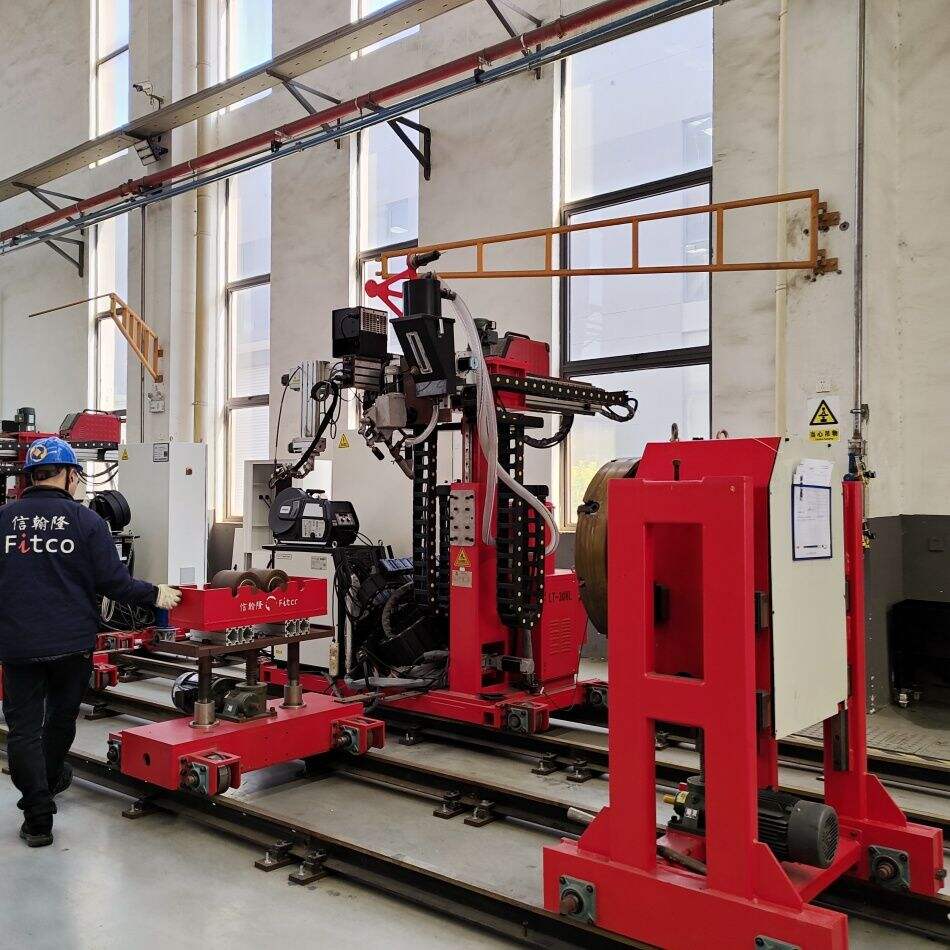
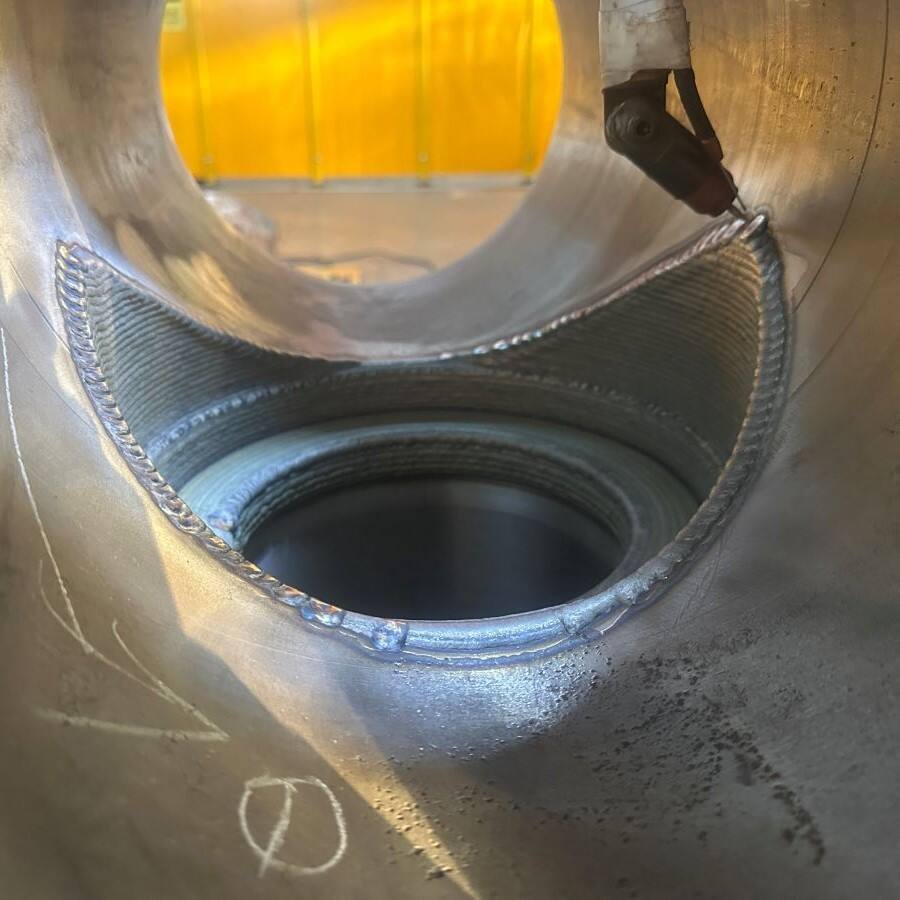
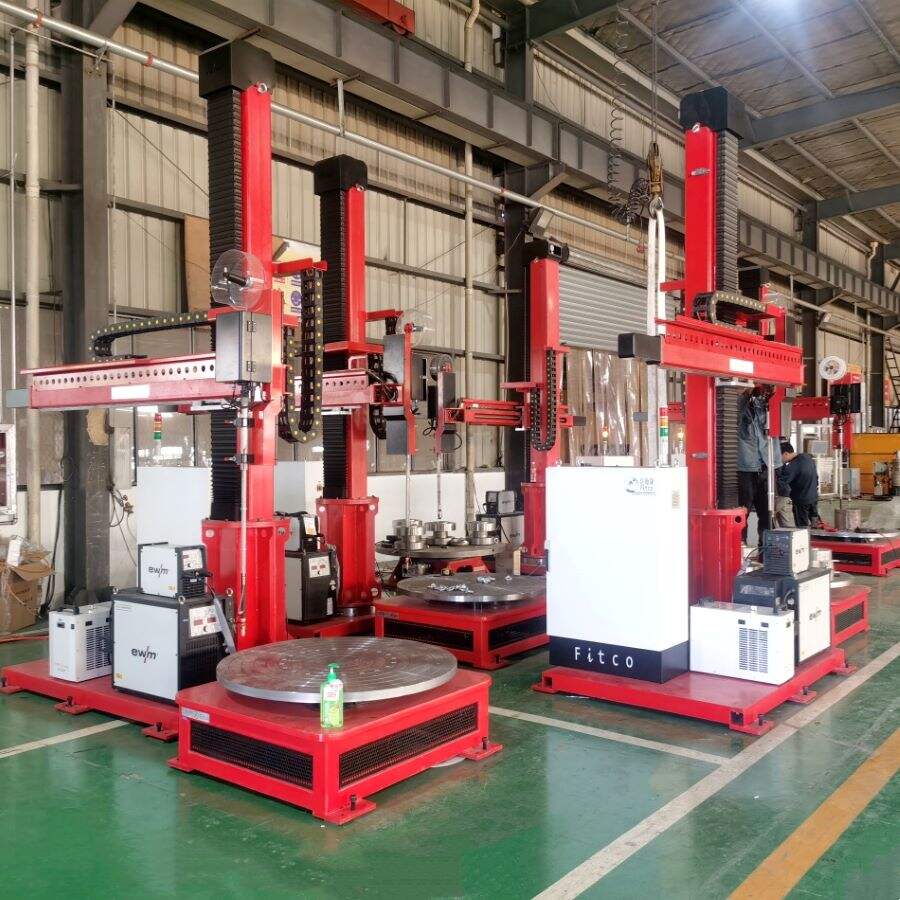
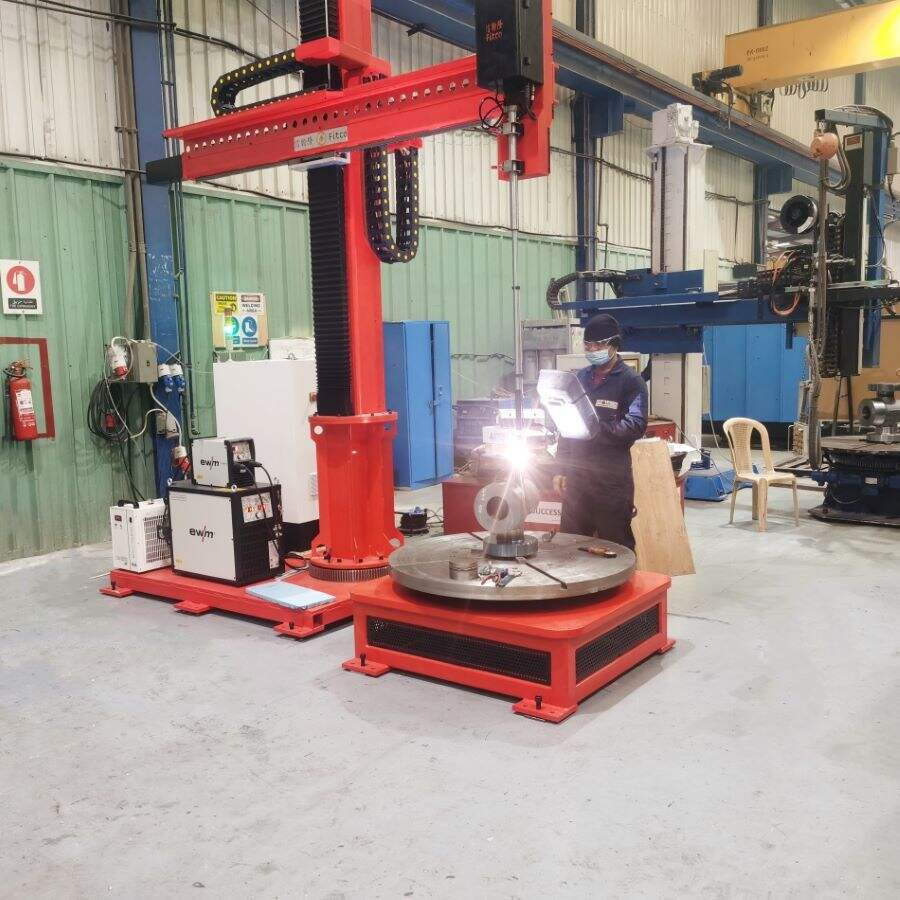
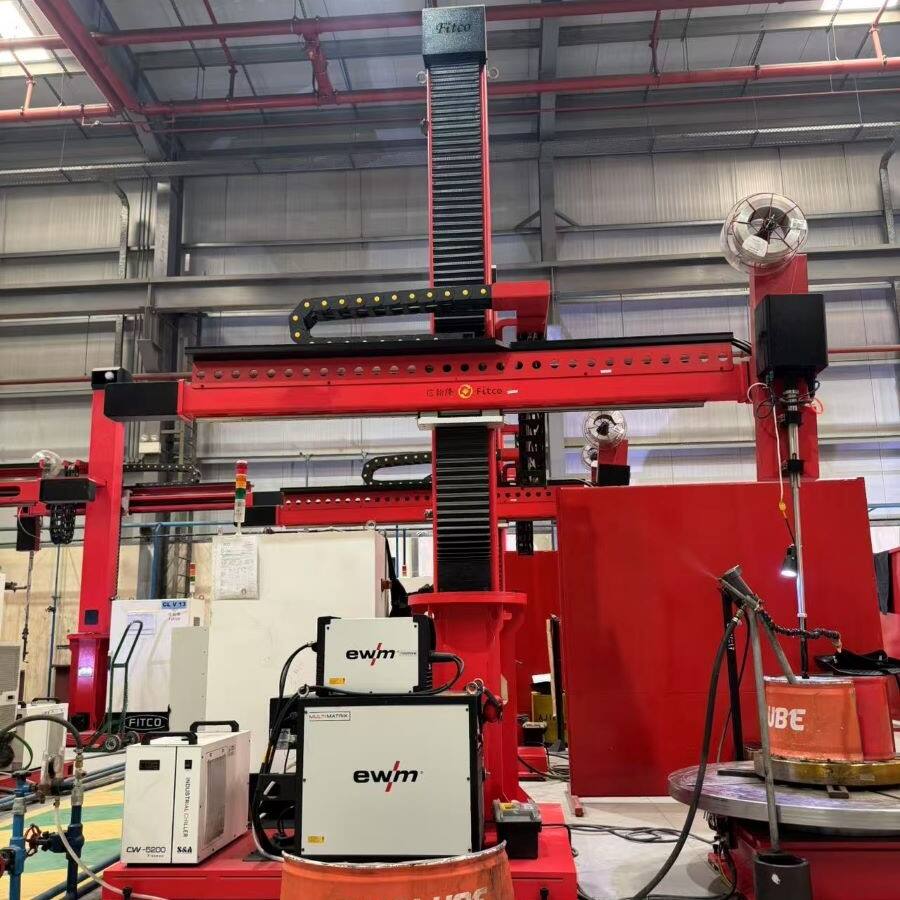
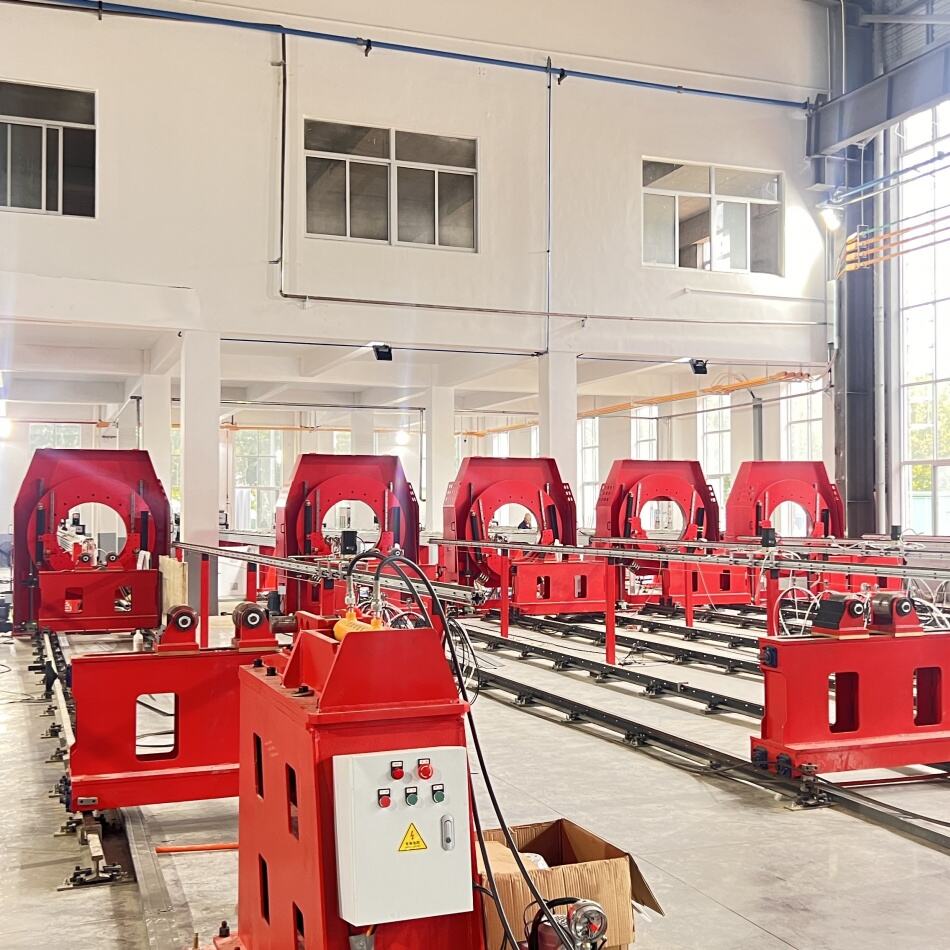
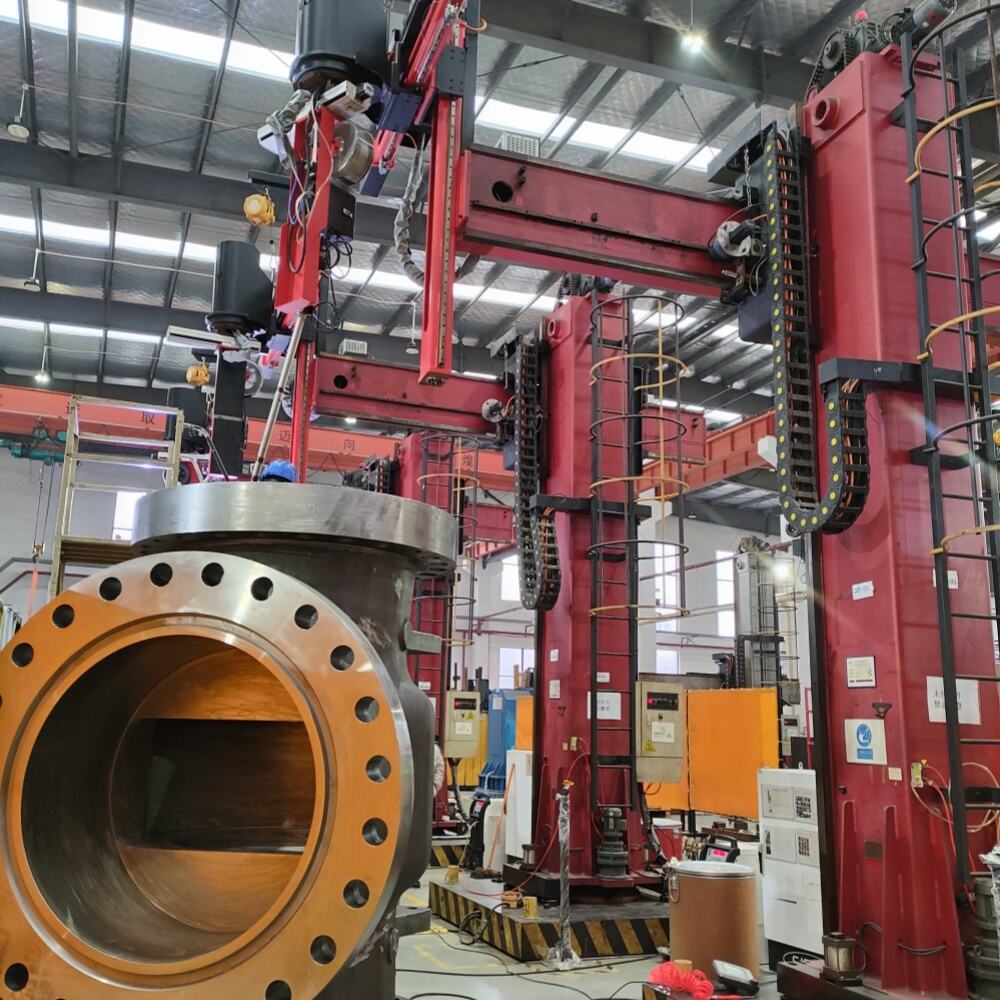
Automated welding equipment represents a revolutionary advancement in manufacturing technology, transforming traditional welding processes through sophisticated machinery and intelligent control systems. This advanced equipment combines robotics, precision sensors, and computer-controlled interfaces to deliver consistent, high-quality welds across various industrial applications. The main functions of automated welding equipment include precise arc control, real-time monitoring of weld parameters, automatic material feeding, and adaptive welding path generation. These systems utilize cutting-edge technologies such as vision guidance systems, laser tracking, and artificial intelligence algorithms to ensure optimal weld quality and dimensional accuracy. The technological features encompass multi-axis robotic arms capable of complex movements, advanced power sources with digital control, integrated cooling systems for continuous operation, and user-friendly programming interfaces that simplify setup and operation. Modern automated welding equipment incorporates feedback mechanisms that continuously monitor welding conditions, adjusting parameters instantly to maintain consistent results. The applications span across automotive manufacturing, shipbuilding, aerospace production, construction, pipeline installation, and heavy machinery fabrication. Industries benefit from the equipment's ability to handle various welding processes including MIG, TIG, plasma arc, and resistance welding. The versatility extends to working with different materials such as steel, aluminum, stainless steel, and exotic alloys. Safety features are integral components, including enclosed work cells, emergency stop systems, fume extraction capabilities, and protective barriers. The equipment supports both batch production and continuous manufacturing processes, adapting to varying production volumes and complexity requirements. Integration capabilities allow seamless connection with existing manufacturing execution systems, enabling comprehensive production monitoring and quality control throughout the welding process.

New Product Releases

Automated welding equipment delivers substantial improvements in production efficiency by operating continuously without fatigue, breaks, or shift changes that typically affect human welders. This technology eliminates human error factors, ensuring consistent weld quality that meets strict industry standards every time. Manufacturing facilities experience significant cost reductions through decreased material waste, reduced rework requirements, and lower labor expenses over time. The precision control systems maintain exact welding parameters, producing stronger joints with superior mechanical properties compared to manual welding methods. Speed advantages become apparent immediately, with automated systems completing welds faster than traditional approaches while maintaining superior quality standards. Safety improvements are remarkable, as workers no longer expose themselves to welding hazards such as intense heat, harmful fumes, or arc radiation. The equipment handles dangerous or difficult welding positions that would be challenging or unsafe for human operators. Quality control benefits include real-time monitoring capabilities that detect defects instantly, preventing costly errors from progressing through production stages. Repeatability ensures identical results across thousands of parts, critical for industries requiring strict tolerances and specifications. Flexibility allows quick changeovers between different products or welding configurations, supporting diverse manufacturing requirements without extensive retooling. Documentation capabilities provide complete traceability records for quality assurance and compliance purposes. Energy efficiency features reduce power consumption compared to conventional welding setups, contributing to lower operational costs. Maintenance requirements are predictable and scheduled, minimizing unexpected downtime that disrupts production schedules. Training costs decrease significantly since operators need basic programming skills rather than years of welding expertise. Return on investment typically occurs within eighteen months through combined savings in labor, materials, and quality improvements. Remote monitoring capabilities enable supervisors to oversee multiple welding stations simultaneously, optimizing resource allocation. The technology scales effectively, allowing manufacturers to increase production capacity without proportional increases in workforce requirements. Integration with quality management systems provides comprehensive data analytics for continuous improvement initiatives.

Tips And Tricks

Inside an igbt inverter welder: How the High-Frequency Switching Works

16

Mar

Inside an igbt inverter welder: How the High-Frequency Switching Works

The high-frequency switching mechanism within an igbt inverter welder represents one of the most significant technological advances in modern welding equipment. This sophisticated power conversion process transforms standard AC mains power into preci...
View More
How Can a TIG Welder Deliver Cleaner Industrial Welds?

22

Dec

How Can a TIG Welder Deliver Cleaner Industrial Welds?

Industrial welding operations demand precision, reliability, and exceptional quality standards that can make or break critical infrastructure projects. Among the various welding technologies available today, tungsten inert gas welding stands out as a...
View More
Which Industries Benefit Most from Using a TIG Welder?

13

Jan

Which Industries Benefit Most from Using a TIG Welder?

TIG welding technology has revolutionized manufacturing and fabrication processes across numerous industries, offering unparalleled precision and quality in metal joining applications. The versatility of a TIG welder makes it an indispensable tool fo...
View More
Why Are Pressure-Vessel Plants Using Circumferential TIG Systems?

13

Jan

Why Are Pressure-Vessel Plants Using Circumferential TIG Systems?

The pressure vessel manufacturing industry has witnessed a significant shift toward advanced welding technologies, with circumferential TIG systems emerging as the preferred solution for critical applications. These sophisticated welding systems deli...
View More

Get a Free Quote

Our representative will contact you soon.
Email
Mobile/WhatsApp
Name
Company Name
Message
0/1000

automated welding equipment

Advanced Robotic Precision and Consistency

Advanced Robotic Precision and Consistency

The cornerstone advantage of automated welding equipment lies in its exceptional precision and unwavering consistency that surpasses human capabilities. These sophisticated systems employ advanced robotic arms equipped with multiple degrees of freedom, enabling precise positioning and movement control down to fractions of millimeters. The integration of high-resolution encoders and servo motors ensures that every welding movement follows predetermined paths with mathematical accuracy, eliminating variations that commonly occur in manual welding operations. Vision guidance systems continuously monitor the welding process, automatically adjusting torch position and angle to accommodate material variations or fixture tolerances. This real-time adaptation capability ensures optimal weld penetration and bead formation regardless of minor inconsistencies in workpiece positioning. The precision extends beyond mere positioning accuracy to include exact control over welding parameters such as current, voltage, travel speed, and wire feed rates. Advanced algorithms calculate optimal settings based on material properties, joint geometry, and quality requirements, then maintain these parameters throughout the entire welding sequence. Temperature monitoring systems prevent overheating that could compromise weld integrity, while arc length sensors ensure consistent gap maintenance. The consistency benefits become particularly valuable in high-volume production environments where thousands of identical welds must meet stringent quality specifications. Statistical process control data demonstrates that automated welding equipment achieves repeatability tolerances within plus or minus two percent, compared to manual welding variations that can exceed fifteen percent. This precision translates directly into superior product quality, reduced inspection requirements, and enhanced customer satisfaction. The technology eliminates operator skill variations that traditionally affected weld quality, ensuring that every joint meets or exceeds design specifications regardless of production shift or time constraints.
Comprehensive Safety and Risk Reduction

Comprehensive Safety and Risk Reduction

Automated welding equipment fundamentally transforms workplace safety by removing human operators from hazardous welding environments while implementing multiple protective systems that exceed traditional safety measures. The enclosed welding cells create physical barriers between workers and dangerous welding processes, eliminating exposure to intense ultraviolet and infrared radiation that can cause severe eye damage and skin burns. Advanced fume extraction systems actively remove harmful welding gases and particulates from the work environment, maintaining air quality standards that protect respiratory health. Emergency stop mechanisms are strategically positioned throughout the work area, enabling immediate shutdown of all equipment functions when safety concerns arise. Light curtains and pressure-sensitive mats create invisible safety zones that automatically halt operations if unauthorized personnel enter restricted areas. The elimination of manual welding positions reduces ergonomic risks associated with awkward postures, repetitive motions, and prolonged exposure to uncomfortable working conditions. Noise reduction features minimize hearing damage risks by containing arc sounds within enclosed workstations equipped with sound-dampening materials. Fire suppression systems provide automatic protection against welding-related ignition risks, detecting and extinguishing flames before they can spread to surrounding areas. Remote operation capabilities allow technicians to monitor and control welding processes from safe distances, reducing exposure to heat, sparks, and toxic fumes. Predictive maintenance systems identify potential equipment failures before they create safety hazards, ensuring that all protective systems remain functional and reliable. Training requirements focus on equipment operation rather than exposure to welding hazards, reducing the learning curve while maintaining high safety standards. Documentation systems automatically record all safety-related events, supporting compliance with occupational health regulations and providing valuable data for continuous safety improvements. The comprehensive approach to risk reduction creates safer working environments that protect employee health while maintaining productivity and quality standards.
Enhanced Productivity and Economic Benefits

Enhanced Productivity and Economic Benefits

The economic advantages of automated welding equipment extend far beyond initial cost considerations, delivering substantial productivity improvements and long-term financial benefits that justify investment decisions. Production speed increases are immediately apparent, with automated systems completing welding operations two to four times faster than manual processes while maintaining superior quality standards. Continuous operation capabilities enable twenty-four hour production schedules without quality degradation, effectively tripling manufacturing capacity compared to traditional single-shift operations. Labor cost reductions occur through decreased workforce requirements, with one operator capable of supervising multiple automated welding stations simultaneously. The elimination of operator skill premiums and overtime expenses contributes to predictable labor budgets that support accurate financial planning. Material waste reduction results from precise control over welding parameters, minimizing consumable usage while eliminating costly rework caused by defective joints. Energy efficiency improvements stem from optimized power management systems that adjust consumption based on actual welding requirements rather than maintaining constant maximum power levels. Quality consistency reduces inspection costs and warranty claims by ensuring that every weld meets specification requirements before products leave the manufacturing facility. Inventory management benefits include reduced work-in-process storage requirements due to faster throughput times and improved production scheduling accuracy. Maintenance costs remain predictable through scheduled servicing programs that prevent unexpected breakdowns and extend equipment service life. Flexibility advantages allow rapid changeovers between different products or configurations, supporting diverse manufacturing requirements without extensive retooling expenses. Documentation capabilities provide valuable production data for optimizing processes and identifying further improvement opportunities. Return on investment calculations typically show payback periods of twelve to eighteen months, after which automated welding equipment continues generating savings for many years. Competitive advantages emerge from improved delivery times, enhanced quality reputation, and ability to accept larger orders without proportional increases in manufacturing resources.

Get a Free Quote

Our representative will contact you soon.
Email
Mobile/WhatsApp
Name
Company Name
Message
0/1000