
 EN
EN
 AR
AR BG
BG HR
HR CS
CS DA
DA NL
NL FI
FI FR
FR DE
DE EL
EL HI
HI IT
IT JA
JA KO
KO NO
NO PL
PL PT
PT RO
RO RU
RU ES
ES SV
SV TL
TL IW
IW ID
ID LT
LT UK
UK SQ
SQ HU
HU TH
TH TR
TR FA
FA AF
AF CY
CY MK
MK LA
LA MN
MN KK
KK UZ
UZ KY
KY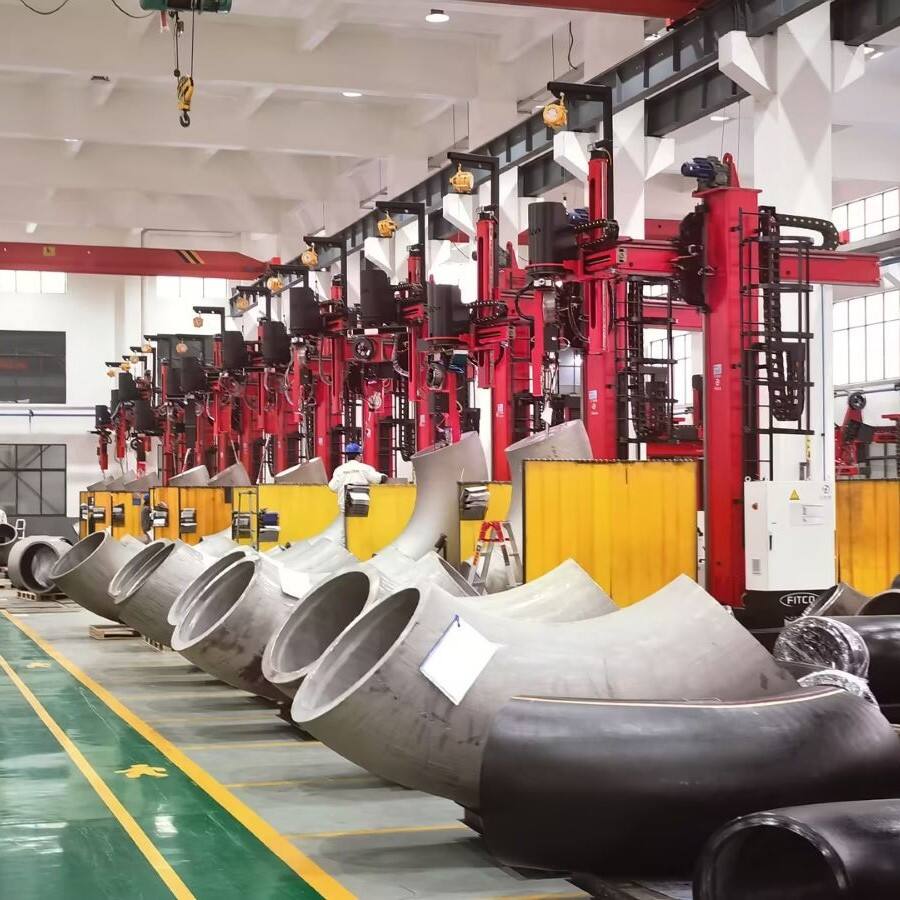
تطورت صناعة تصنيع الأنابيب تطوراً كبيراً على مدار العقود الماضية، حيث تتطلب ورش التصنيع الحديثة الدقة والكفاءة والاتساق في عمليات اللحام الخاصة بها. ويؤثر اختيار تقنية اللحام المناسبة تأثيراً مباشراً على جودة المنتج، وكمية الإنتاج، والتكاليف الكلية للتصنيع. ومن بين مختلف حلول اللحام المتاحة اليوم، برزت معدات لحام TIG الطولي كخيار مفضل لدى كبار مصنعي الأنابيب في جميع أنحاء العالم، حيث توفر دقة وموثوقية لا مثيل لهما في تطبيقات لحام الحواف.
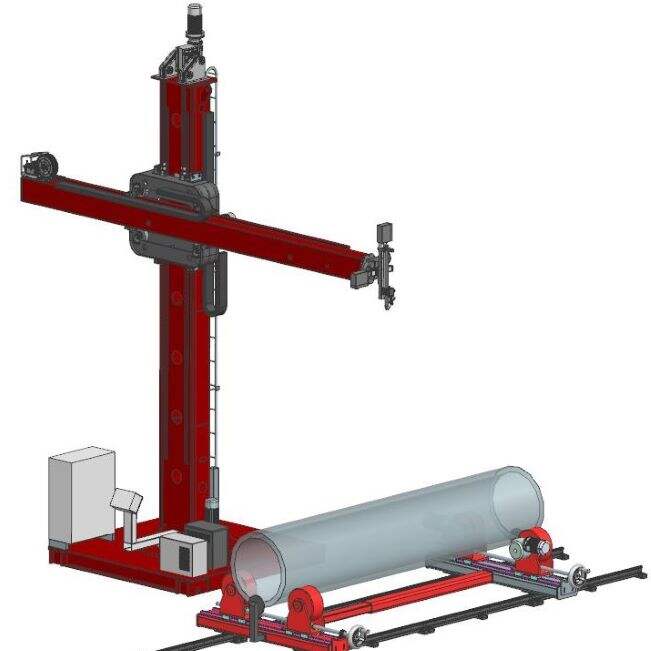
جودة اللحام ودقة ممتازة
استقرار استثنائي للقوس الكهربائي والتحكم في الحرارة
تتمثل الميزة الأساسية لمعدات TIG الطولية في استقرار قوسها الفائق وقدرتها على التحكم الدقيق بالحرارة. وعلى عكس طرق اللحام التقليدية، يمنح اللحام بتيج الشركات المصنعة تحكمًا استثنائيًا في إدخال الحرارة، مما يسمح باختراق متسق وتشوه ضئيل عبر وصلة الأنبوب بأكملها. ويصبح هذا الدقة حاسمة بشكل خاص عند العمل مع أنابيب ذات جدران رقيقة أو سبائك متخصصة تتطلب دورات حرارية محكومة للحفاظ على خصائصها المعدنية.
تدمج معدات TIG الطولية المتقدمة مصادر طاقة متطورة توفر خصائص قوس مستقرة حتى عند سرعات السفر المختلفة. ويضمن إدخال الحرارة المتسق بنية حبيبية موحدة في جميع أنحاء منطقة اللحام، مما يؤدي إلى خصائص ميكانيكية متفوقة ومقاومة أفضل للتآكل. ويُعد هذا المستوى من التحكم ضروريًا للأنابيب المخصصة للاستخدام في تطبيقات الضغط العالي أو المعالجة الكيميائية أو التركيبات البحرية العميقة حيث تكون سلامة وصلة اللحام أمرًا بالغ الأهمية.
تناثر ضئيل ومظهر لحام نظيف
تتطلب معايير تصنيع الأنابيب الحديثة ليس فقط السلامة الهيكلية، بل أيضًا الجاذبية البصرية، خاصةً بالنسبة للأنابيب المستخدمة في التركيبات الظاهرة أو التطبيقات الخاصة بالأغذية. توفر معدات اللحام الطولي بتقنية TIG لحامات نظيفة للغاية مع تناثر ضئيل جدًا، مما يلغي الحاجة إلى عمليات تنظيف مكثفة بعد اللحام. هذه الخاصية تقلل بشكل كبير من الوقت والتكاليف العمالية في التصنيع، مع ضمان جودة بصرية متسقة عبر دفعات الإنتاج.
إن واقية الغاز الخامل المتأصلة في لحام TIG تحمي بركة اللحام المنصهرة من التلوث الجوي، مما يؤدي إلى لحامات لامعة خالية من الأكاسيد وتفي بأعلى معايير النظافة. تُعد هذه الميزة ذات قيمة كبيرة للمصنعين الذين ينتجون أنابيب الفولاذ المقاوم للصدأ أو أنابيب التيتانيوم أو مواد مقاومة للتآكل أخرى، حيث قد يؤدي التلوث السطحي إلى المساس بالأداء طويل الأمد.
كفاءة إنتاجية مُحسّنة
قدرات التشغيل التلقائي
توفر معدات TIG الطولية المعاصرة ميزات أتمتة متطورة تعزز بشكل كبير كفاءة الإنتاج مع الحفاظ على معايير جودة ثابتة. يمكن للأنظمة الآلية التحكم بدقة في معايير اللحام، وموقع الشعلة، وسرعة الحركة، مما يمكّن من التشغيل المستمر بأقل تدخل ممكن من المشغل. تتيح هذه القدرة على الأتمتة للمصنّعين تحقيق معدلات إنتاج أعلى وتقليل تكاليف العمالة والحد من الأخطاء البشرية.
توفر الأنظمة المدمجة لمراقبة ملاحظات فورية حول معايير اللحام، وتعديل الإعدادات تلقائيًا لتعويض التغيرات في سماكة المواد أو تحضير الوصلة أو الظروف البيئية. تضمن هذه الأنظمة التحكم التكيفية جودة لحام ثابتة طوال فترات الإنتاج الطويلة، وتقلل من معدلات الهدر وتحسن الكفاءة التصنيعية العامة.
التنوع في أنواع المواد
تعدد استخدامات معدات TIG الطولية يتيح للمصنّعين معالجة مجموعة واسعة من المواد باستخدام نظام لحام واحد. من الصلب الكربوني والصلب المقاوم للصدأ إلى سبائك نادرة مثل إنكونيل، هاستيلوي، والتيتانيوم، يوفّر لحام TIG المرونة اللازمة لتلبية متطلبات العملاء المتنوعة دون الحاجة إلى تغييرات كبيرة في المعدات أو إعادة تجهيز.
تنعكس هذه المرونة في المواد مباشرة على كفاءة جدولة الإنتاج وتخفيض احتياجات المعدات الرأسمالية. يمكن للمصنّعين التحوّل بين مواصفات وأنواع مختلفة من الأنابيب مع الحد الأدنى من وقت الإعداد، مما يمكّنهم من الاستجابة السريعة للتغيرات في متطلبات السوق والعملاء.
حلول تصنيع فعالة من حيث التكلفة
خفض تكاليف المواد الاستهلاكية
تقدم معدات TIG الطولية مزايا كبيرة من حيث تكاليف المواد الاستهلاكية مقارنة بعمليات اللحام الأخرى. يلغي قطب التنجستن غير المستهلك الحاجة إلى التغذية المستمرة بالسلك، مما يقلل من تكاليف المواد ويحد من التوقفات المرتبطة باستبدال المواد الاستهلاكية. بالإضافة إلى ذلك، فإن التحكم الدقيق في ترسيب معادن الحشو يضمن الاستخدام الأمثل للمواد مع الحد الأدنى من الهدر.
تساهم عمر القطب الممتد ومتطلبات الصيانة الدنيا لمعدات TIG الطولية الحديثة في خفض تكاليف التشغيل على المدى الزمني. وقد ساهمت تقنيات الأقطاب المتقدمة وتصاميم مصدر الطاقة المحسّنة بشكل كبير في إطالة فترات الخدمة، مما يقلل من تكاليف عمالة الصيانة وأجزاء الاستبدال، ويزيد من توافر المعدات.
متطلبات أقل لمعالجة ما بعد اللحام
يؤدي جودة اللحام المتفوقة التي تتحقق باستخدام معدات TIG الطولية إلى تقليل متطلبات المعالجة بعد اللحام بشكل كبير، مما يلغي عمليات الطحن أو التشغيل أو العلاج السطحي المكلفة. ويقلل التحكم الدقيق في الحرارة من تقوية اللحام ويكفل أن تكون أشكال اللحام ناعمة وتفي بالتسامحات الأبعادية دون الحاجة إلى معالجة إضافية.
إن هذا التخفيض في المعالجة بعد اللحام لا يؤدي فقط إلى توفير تكاليف العمالة المباشرة، بل يلغي أيضًا المشكلات المحتملة في الجودة المرتبطة بالعمليات الثانوية. ويمكن للمصنّعين تحقيق مواصفات المنتج النهائي مباشرة من عملية اللحام، ما ييسّر تدفق الإنتاج ويقلل من احتياجات المخزون بالنسبة للمواد قيد المعالجة.
تكامل التكنولوجيا المتقدمة
أنظمة تحكم رقمية
تتضمن معدات TIG الحديثة الطولية أنظمة تحكم رقمية متقدمة توفر دقة وتكرارية غير مسبوقة في عمليات اللحام. وتوفر هذه الأنظمة جداول لحام قابلة للبرمجة، ومراقبة في الوقت الفعلي للمعايير، وقدرات شاملة على تسجيل البيانات تدعم برامج ضمان الجودة ومتطلبات إمكانية التتبع.
تمكّن الواجهات الرقمية المشغلين من تعديل معايير اللحام بسهولة حسب مواصفات الأنابيب المختلفة، مع تخزين إجراءات لحام متعددة لتحقيق إعداد سريع وتبديل فوري. وتقلل أنظمة التحكم البديهية من متطلبات تدريب المشغلين، مع ضمان تنفيذ متسق للإجراءات المعتمدة للحام عبر الفرق والمشغلين المتعددين.
التكامل مع أنظمة تنفيذ الت manufacturing
يمكن للمعدات الحديثة الطولية لتغ (TIG) الاندماج بسلاسة مع أنظمة تنفيذ التصنيع الأوسع، مما يوفر بيانات إنتاج في الوقت الفعلي وتمكين رصد شامل للعمليات. ويدعم هذا الدمج مبادرات التصنيع الرشيق من خلال توفير وضوح حول معدلات الإنتاج ومقاييس الجودة واستخدام المعدات.
تتيح إمكانات الاتصال برمجيات الصيانة التنبؤية التي تراقب أداء المعدات وتحدد مواعيد أنشطة الصيانة بناءً على أنماط الاستخدام الفعلية بدلاً من فترات زمنية تعسفية. ويُحسّن هذا النهج توافر المعدات إلى الحد الأقصى مع تقليل تكاليف الصيانة وتوقف العمل غير المتوقع.
الضمانة الجودة والامتثال
اختراق اللحام المتسق
تضمن المعدات الطولية لتلميع التنجستن (TIG) تحكمًا دقيقًا يوفر اختراق لحام متسقًا عبر وصلة الأنبوب بأكملها، مما يستوفي المتطلبات الصارمة لأنظمة أوعية الضغط ومواصفات خطوط الأنابيب. وتلغي خصائص القوس المستقرة ومدخلات الحرارة الخاضعة للتحكم التباين في الاختراق الذي قد يحدث مع عمليات اللحام الأخرى، وخاصةً في التطبيقات ذات الجدران الرقيقة.
يُعد الاختراق المتسق أمرًا ضروريًا للأنابيب المستخدمة في التطبيقات الحرجة، حيث يمكن أن يؤدي الاختراق الجزئي أو المفرط إلى المساس بالسلامة الإنشائية أو خصائص تدفق السوائل. ويقلل موثوقية معدات اللحام الطولية بتقنية التنجستن (TIG) في تحقيق متطلبات الاختراق المحددة من الحاجة إلى فحوصات غير إتلافية مكثفة، مع ضمان الامتثال للأنظمة والمعايير المعمول بها.
التعقب والتوثيق
توفر معدات TIG الحديثة الطولية إمكانيات وثائقية شاملة تدعم برامج ضمان الجودة ومتطلبات الامتثال التنظيمي. تسجل أنظمة تسجيل البيانات الآلية معايير اللحام، وهوية المشغل، وأوقات الإنتاج، مما يُنشئ سجلاً تدقيقياً كاملاً لكل أنبوب يتم تصنيعه.
تُثبت هذه القدرة الوثائقية قيمتها البالغة للشركات المصنعة التي تخدم الصناعات الخاضعة للتنظيم مثل الطاقة النووية أو الفضاء الجوي أو التطبيقات الصيدلانية، حيث تكون إمكانية التتبع الكاملة إلزامية. وتُلغي السجلات الإلكترونية الأخطاء في التوثيق اليدوي، مع توفير وصول فوري إلى سجل الإنتاج لأغراض التحقيقات في الجودة أو استفسارات العملاء.
الأسئلة الشائعة
ما أنواع الأنابيب التي يمكن تصنيعها باستخدام معدات اللحام الطولية TIG؟
يمكن لمعدات TIG الطولية تصنيع الأنابيب من مجموعة واسعة من المواد بما في ذلك الفولاذ الكربوني، والفولاذ المقاوم للصدأ، والألومنيوم، والتايتانيوم، والسبائك الغريبة. وتتعامل المعدات مع أقطار الأنابيب التي تتراوح من أنابيب صغيرة إلى أنابيب ذات قطر كبير، وبسماكات جدران تتراوح من مواد رقيقة إلى تطبيقات ذات جدران سميكة. إن مرونة هذه العملية تجعلها مناسبة لكل شيء بدءًا من الأنابيب الزخرفية وصولاً إلى تطبيقات خطوط الأنابيب عالية الضغط.
كيف تقارن معدات TIG الطولية بعمليات اللحام الأخرى من حيث سرعة الإنتاج؟
على الرغم من أن معدات TIG الطولية قد تكون أبطأ من حيث سرعة الحركة مقارنة ببعض عمليات الإيداع العالية، إلا أن الكفاءة الإجمالية للإنتاج غالبًا ما تكون أفضل بسبب تقليل وقت الإعداد، والحاجة الدنيا إلى المعالجة بعد اللحام، ومعدلات العيوب الأقل. إن إمكانات التشغيل الآلي والإخراج الثابت من حيث الجودة يلغيان العديد من الاختناقات المرتبطة بإعادة العمل والتحكم في الجودة، مما يؤدي إلى زيادة فعالة في معدلات الإنتاج.
ما هي متطلبات الصيانة المرتبطة بمعدات TIG الطولية؟
تتطلب معدات اللحام بالقوس الكهربائي المحمي بالغاز (TIG) الطولية صيانة أقل عادةً من عمليات اللحام باستخدام الأقطاب الكهربائية المستهلكة، وذلك بفضل استخدام أقطاب التنجستن غير المستهلكة وقلة الأجزاء المتحركة. تشمل الصيانة الدورية فحص الأقطاب الكهربائية واستبدالها، وفحص نظام الغاز، وصيانة نظام التبريد، والمعايرة الروتينية لأنظمة التحكم. تتضمن التصاميم الحديثة للمعدات أنظمة تشخيصية تراقب حالة المكونات وتنبّه المشغلين إلى احتياجات الصيانة قبل حدوث الأعطال.
هل يمكن لمعدات TIG الطولية التعامل مع أحجام مختلفة من الأنابيب دون تعديلات كبيرة؟
نعم، تم تصميم معدات TIG الطولية الحديثة لتكون مرنة تجاه أحجام ومواصفات الأنابيب المختلفة. وتتميز العديد من الأنظمة بتجهيزات قابلة للتعديل، وبارامترات لحام قابلة للبرمجة، وتكوينات مشاعل وحداتية يمكنها التكيف مع أبعاد أنابيب مختلفة مع الحد الأدنى من وقت الإعداد. ويمكن لأنظمة التحكم الرقمية تخزين إجراءات لحام متعددة، مما يتيح التبديل السريع بين مواصفات الأنابيب المختلفة مع الحفاظ على معايير اللحام المثلى لكل تطبيق.