
 EN
EN
 AR
AR BG
BG HR
HR CS
CS DA
DA NL
NL FI
FI FR
FR DE
DE EL
EL HI
HI IT
IT JA
JA KO
KO NO
NO PL
PL PT
PT RO
RO RU
RU ES
ES SV
SV TL
TL IW
IW ID
ID LT
LT UK
UK SQ
SQ HU
HU TH
TH TR
TR FA
FA AF
AF CY
CY MK
MK LA
LA MN
MN KK
KK UZ
UZ KY
KY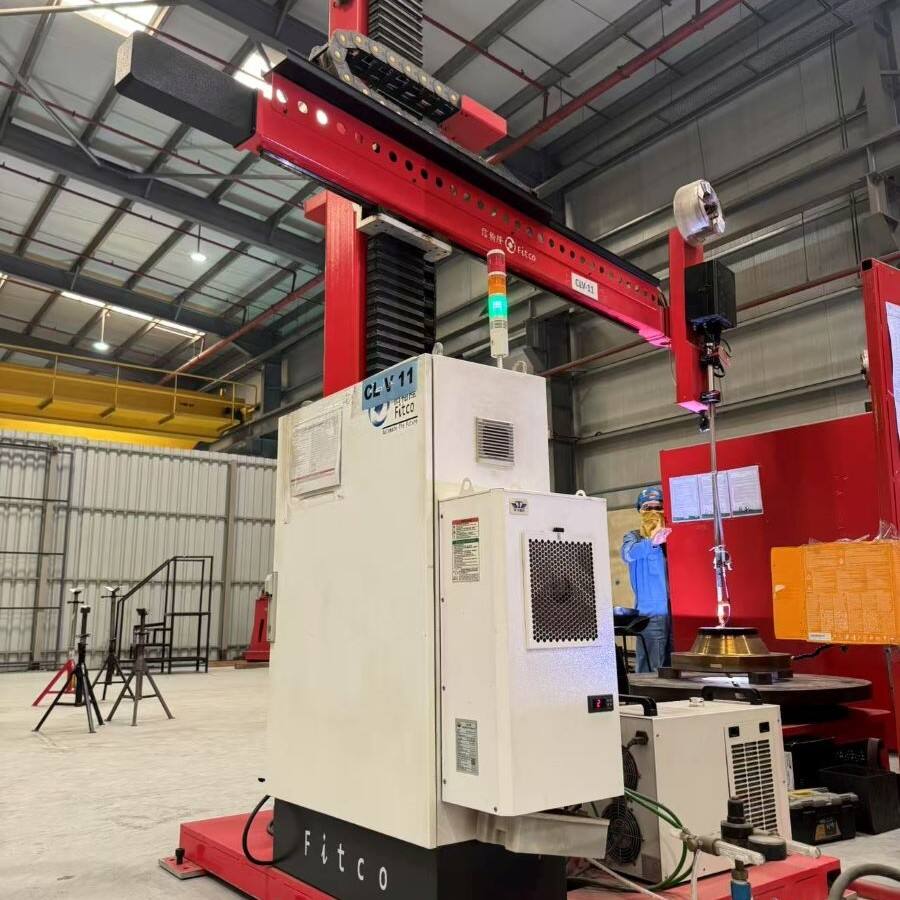
اختيار الحق جهاز اللحام بالقوس يتطلب فهم الاختلافات الأساسية بين النماذج المصممة للعمل الذاتي (DIY) والمعدات الاحترافية، حيث تؤثر هذه الفروق بشكل مباشر على الأداء والمتانة وجودة مشاريع اللحام الخاصة بك. سواء كنت هاويًا تعمل على إصلاحات سيارات نهاية الأسبوع أو مُصنِّعًا احترافيًا تدير عقودًا تجارية عالية الحجم، فإن جهاز اللحام بالقوس الجهاز الذي تختاره يجب أن يتوافق مع متطلبات دورة التشغيل الخاصة بك، ومواصفات المواد، والاحتياجات التشغيلية طويلة المدى. ولا يقتصر هذا القرار على مقارنات الأسعار البسيطة فحسب، بل يشمل عوامل حاسمة تشمل سعة التيار بالأمبير، وأنظمة إدارة الحرارة، ودقة التحكم في شكل الموجة، وجودة التصنيع التي تحدد ما إذا كان الجهاز سيلبي تطبيقات اللحام المحددة الخاصة بك أم لا.
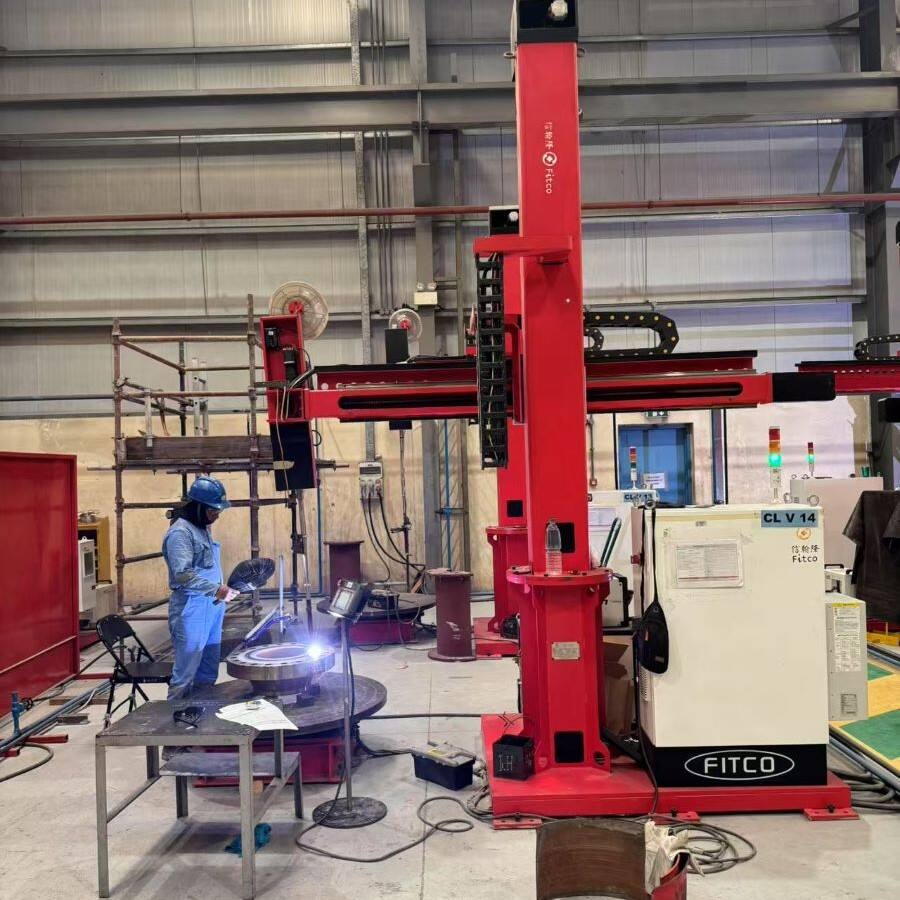
تتجلى الفروق بين أجهزة لحام القوس المستخدمة من قِبل الهواة والمحترفين عبر عدة أبعاد فنية وعملية تؤثر مباشرةً على نتائج عملية اللحام. فعادةً ما تُركِّز أجهزة اللحام المخصصة للهواة على التكلفة المعقولة وسهولة الاستخدام في التشغيل المتقطع، بينما تركز المعدات الاحترافية على الأداء المستمر تحت الحمل، والتحكم المتقدم في العمليات، والقدرة على العمل في البيئات الصناعية الشديدة التطلب. ويضمن فهم هذه الفروقات أن تقوم باستثمارٍ في جهاز لحام قوسي يتناسب ليس فقط مع مستواك الحالي من المهارة ونطاق مشاريعك، بل ويوفّر أيضًا الموثوقية والقدرات اللازمة لتحقيق أهدافك في اللحام دون تحمُّل تكاليف غير ضرورية أو التفريط في الوظائف.
فهم دورة التشغيل ومتطلبات التيار الكهربائي
مواصفات دورة التشغيل في النماذج المخصصة للهواة والمحترفين
تمثل دورة التشغيل واحدةً من أكثر العوامل تمييزًا عند تقييم جهاز لحام قوس كهربائي للاستخدام المنزلي (DIY) مقارنةً بالتطبيقات الاحترافية. وتشير دورة التشغيل إلى النسبة المئوية من فترة عشر دقائق يمكن خلالها للجهاز العمل عند شدة تيار محددة قبل أن يحتاج إلى فترة تبريد. وعادةً ما تتراوح دورة تشغيل أجهزة اللحام القوسي المنزلية بين ٢٠٪ و٤٠٪ عند أقصى إخراج مُصنَّف لها، أي أنها تستطيع اللحام باستمرار لمدة دقيقتين إلى أربع دقائق قبل أن تحتاج إلى فترة راحة مدتها ست إلى ثماني دقائق. وهذه المواصفة مناسبة للتطبيقات الهواة التي تتضمن مشاريع ذات عمليات لحام قصيرة مع فواصل طبيعية لتثبيت القطع أو إعداد المواد أو الفحص.
توفر آلات لحام القوس من الدرجة الاحترافية دورات عمل (Duty Cycles) أعلى بكثير، وغالبًا ما تصل إلى ستين بالمئة وحتى مئة بالمئة عند شدة التيار المُحددة لها. وتضم هذه الآلات أنظمة تبريد متقدمة تتضمن مشتّتات حرارية أكبر، ومراوح من الفئة الصناعية، وإدارة حرارية متفوّقة تسمح بالتشغيل المستمر دون انخفاض في الأداء. وفي ورش التصنيع، أو إنشاء خطوط الأنابيب، أو تطبيقات الصلب الإنشائي—حيث يُعتبر اللحام المتواصل على مدى فترات طويلة ممارسةً قياسيةً—تصبح قدرة دورة العمل هذه ضروريةً جدًّا. أما آلة لحام القوس التي لا تمتلك دورة عمل كافية، فإنها تجبر المشغلين على اتباع أنماط تشغيل غير فعّالة تتخلّلها توقّفاتٌ متكرّرةٌ وبدءٌ جديدٌ، مما يقلّل الإنتاجية وقد يُضعف جودة اللحام بسبب عدم انتظام إدخال الحرارة.
مخرج التيار (بالأمبير) وقدراته على معالجة سماكات المواد
السعة التيارية تحدد بشكل مباشر أقصى سماكة ممكنة للمواد التي يمكن لجهاز اللحام القوسي أن يخترقها ويذيبها بكفاءة. وعادةً ما توفر نماذج الاستخدام المنزلي (DIY) نطاقات خرج تتراوح بين 70 و160 أمبير، وهي تناسب احتياجات ورش العمل المنزلية النموذجية، مثل لحام ألواح هيكل السيارات، وإصلاح الهياكل الخفيفة، والتصاميم الفنية المعدنية، واللحام العام لأغراض الصيانة على مواد تصل سماكتها إلى ربع الإنش. وتوفّر هذه الأجهزة طاقة كافية لمعظم مشاريع اللحام الترفيهية، مع الحفاظ في الوقت نفسه على أبعادها المدمجة وأسعارها المعقولة التي تجذب المستخدمين الهواة.
يمتد نطاق التيار الكهربائي لمُلْحِمِي القوس الاحترافيين من مئة وثمانين أمبيرًا إلى ثلاثمائة أمبير أو أكثر، وبعض الوحدات الصناعية تصل إلى أربعمئة أمبير لأعمال التصنيع الثقيلة. ويتيح هذا النطاق الموسع من الإخراج إجراء اللحام على مواد الصفائح السميكة، والعوارض الإنشائية، وأوعية الضغط، وإصلاح المعدات الثقيلة التي تميّز بيئات اللحام الاحترافية. كما يوفّر التيار الأعلى تنوعًا أكبر في العملية، ما يسمح للعاملين بتحسين كمية الحرارة المُدخلة عبر تشكيلات المفاصل المختلفة، وأحجام الأقطاب الكهربائية المختلفة، ومواقع اللحام المختلفة. وعند اختيار جهاز اللحام بالقوس ، فإن مطابقة سعة التيار الكهربائي مع سمك المادة الأكثر سماكةً المتوقعة يضمن اختراقًا كافيًا دون الحاجة إلى إعدادات الإخراج القصوى التي تُسرّع البلى وتقلل من أداء دورة التشغيل.
هندسة مصدر الطاقة واستقرار الجهد
التقنية القائمة على المحولات مقابل تقنية العاكس
تؤثر بنية مصدر الطاقة الداخلي تأثيرًا جوهريًّا في خصائص أداء جهاز لحام القوس الكهربائي، وسهولة حمله، وكفاءته التشغيلية. وتستخدم أجهزة لحام القوس الكهربائي التقليدية القائمة على المحولات لفائف نحاسية ونوى حديدية لتقليل الجهد الداخل وزيادة تيار الخرج. وتوفِّر هذه التصاميم بناءً قويًّا وبسيطًا مع موثوقية ممتازة، لكنها تؤدي إلى أجهزة ثقيلة الحجم وضخمة، ذات تحكُّمٍ محدودٍ في العمليات. ولا تزال نماذج المحولات المصنوعة يدويًّا متاحةً للمستخدمين الذين يعطون الأولوية للمتانة والتكلفة الأولية المنخفضة على الميزات المتقدمة، رغم أنها تفتقر إلى الدقة والتنوع اللذين تتطلبهما تطبيقات اللحام الحديثة بشكلٍ متزايد.
تستخدم آلات لحام القوس القائمة على المحولات الإلكترونية إلكترونيات الحالة الصلبة لتحويل الطاقة الداخلة عبر التبديل عالي التردد، مما يقلل الوزن بشكل كبير مع زيادة كفاءة استهلاك الطاقة ودقة التحكم. وتوفّر آلات اللحام الاحترافية القائمة على المحولات خصائص قوس متفوقة من خلال التلاعب الدقيق في شكل الموجة، وأوقات استجابة أسرع للتغيرات في ظروف القوس، وعامل قوة محسَّنٌ بشكل ملحوظ يقلل من الاستهلاك الكهربائي. وتتيح هذه التكنولوجيا ميزات متقدمة تشمل بدء التشغيل الساخن (Hot Start)، وضبط قوة القوس (Arc Force)، ووظائف منع الالتصاق (Anti-Stick)، والتحسين المخصص حسب عملية اللحام، ما يعزز جودة اللحام وتجربة العامل. وتُطبِّق آلات لحام القوس الاحترافية الحديثة تقنية المحولات تقريبًا بشكل شامل نظرًا لهذه المزايا الأداءية وللتخفيف من الأعباء الجسدية المرتبطة بالنقل والموضع.
مرونة جهد الإدخال وجودة الطاقة
تختلف متطلبات طاقة الإدخال بين أدوات الهواة (DIY) والمهنية أجهزة لحام القوس الكهربائي من حيث التنوع والقدرة على التكيّف مع مواقع العمل. تعمل آلات المستوى المبتدئ المخصصة للاستخدام المنزلي عادةً فقط على تيار كهربائي أحادي الطور معياري مستخدم في المنازل، وبجهد ١٢٠ فولت أو ٢٤٠ فولت، ما يحد من استخدامها في المواقع التي تتوفر فيها دوائر كهربائية منزلية جاهزة. وهذه القيود مناسبة لبيئات ورش العمل المنزلية، لكنها تُقلِّل من إمكانية نقل هذه الآلات لإجراء إصلاحات ميدانية أو في مواقع مشاريع نائية حيث تتفاوت توافر مصادر الطاقة.
يضم لحامو القوس الاحترافيون إمكانات إدخال ذات جهد مزدوج أو متعدد الجهود، وتكيّف هذه الإمكانات تلقائيًّا مع مصادر الطاقة المختلفة، ومنها دوائر التيار المتناوب أحادية الطور المستخدمة في المنازل، والطاقة التجارية ثلاثية الطور، ومخرجات المولدات الكهربائية. وتُعد هذه المرونة ضروريةً جدًّا للمقاولين الذين يتنقّلون بين مواقع العمل، وعمليات الإصلاح المتنقِّلة، والمنشآت الصناعية التي تتفاوت بنيتها التحتية الكهربائية. كما تتضمّن النماذج الاحترافية المتقدمة تصحيح عامل القدرة وتعويض تقلبات الجهد، ما يضمن أداءً ثابتًا للقوس الكهربائي رغم التغيرات في الجهد الداخل، ويمنع عدم استقرار القوس وانبعاث الشرر اللذين يعاني منهما الأجهزة الأدنى جودةً عند التشغيل على مصادر طاقة غير كافية أو عبر أسلاك تمديد طويلة.
معايير جودة التصنيع ومتانة المكونات
تصنيع الغلاف وحماية البيئة
يُظهر التصميم المادي لآلة لحام القوس الكهربائي اختلافاتٍ كبيرةً بين فئتي المعدات الهواة (DIY) والمهنية. فتتميَّز آلات لحام القوس الكهربائي الهواة عادةً بعلب بلاستيكية ذات تصاميم تهوية أساسية تهدف إلى تقليل تكاليف التصنيع والوزن. وعلى الرغم من كفايتها في ورش العمل النظيفة التي تُستخدم فيها بشكلٍ عرضي، فإن هذه العلب توفر حمايةً محدودةً ضد الغبار والرطوبة وشظايا المعادن والتأثيرات الميكانيكية التي تتميز بها بيئات اللحام المهنية. وتتجلى انخفاض المتانة في التشققات حالات والتلف الذي يصيب لوحات التحكم، وحدوث فشل أسرع في المكونات عند الخضوع للاستخدام الصناعي اليومي.
تستخدم آلات لحام القوس من الدرجة الاحترافية غلافًا مصنوعًا من الفولاذ أو الألومنيوم عالي السُمك، مع زوايا معزَّزة ومقبض حمل متين وطلاءات واقية من الدرجة الصناعية. وتتضمن هذه الأغلفة تصنيفات حماية وفق معيار IP التي تشير إلى درجة الحماية من دخول الغبار والماء، حيث تحقق النماذج الاحترافية عادةً تصنيف IP23 أو أعلى، مما يضمن تشغيلًا موثوقًا به في الظروف الميدانية القاسية. وتشمل البنية المتفوِّقة إحكامًا أفضل حول لوحات التحكم، ووصلات كابلات معزَّزة، وتصاميم تهوية استراتيجية تحافظ على تدفق الهواء مع استبعاد الملوثات. وينعكس هذا النوع المتميز من التصنيع مباشرةً في طول عمر الخدمة وانخفاض متطلبات الصيانة في البيئات التشغيلية الشاقة.
مواصفات المكونات الداخلية وسهولة الصيانة
جودة المكونات الداخلية تمثّل ربما أبرز اختلاف بين آلات لحام القوس الكهربائي المخصصة للمستهلكين والآلات الاحترافية، رغم أن هذه الاختلافات تبقى غير مرئية حتى تظهر مشكلات في الأداء. وتستخدم الآلات المخصصة للاستخدام المنزلي (DIY) لوحات دوائر كهربائية من الفئة الاقتصادية، ومكثفات ذات مواصفات أقل، ومكونات محدودة جدًّا لإدارة الحرارة، وهي مكوّنات تفي بالحد الأدنى من متطلبات التشغيل الوظيفي، لكنها توفر هامش تشغيل ضيق جدًّا. وتكفي هذه المكونات في حالات الاستخدام الخفيف المتقطع، لكنها تتدهور بسرعة عند الخضوع لعمليات تشغيل مستمرة عالية الإنتاجية أو عند ارتفاع درجات الحرارة المحيطة، وهي الظروف الشائعة في البيئات الاحترافية.
يضم لحامو القوس الاحترافيون إلكترونيات من الدرجة الصناعية ذات تصنيفات حرارية أعلى، ومكثفات عالية الجودة ذات عمر افتراضي ممتد، وأنظمة إدارة حرارية أكبر حجمًا. وتتميز لوحات الدوائر الكهربائية بطبقة واقية مقاومة للرطوبة والملوثات، وبعملية لحام عالية الجودة وأساليب اتصال أكثر متانة تتحمل الاهتزاز والتغيرات الحرارية المتكررة. ومن المهم بنفس القدر أن الآلات الاحترافية تعتمد على تصميم وحدات قابلة للتبديل، مما يسهل استبدال المكونات وإصلاحها، مع توفر كتيبات الخدمة وقطع الغيار لدعم الصيانة طويلة الأمد. ويكتسب هذا الاعتبار الخاص بالصيانة أهمية بالغة بالنسبة للشركات التي يؤثر توقف الآلة فيها بشكل مباشر على الإنتاجية والعائد المالي، ما يجعل الاستثمار الأولي الأعلى في جهاز لحام قوسي احترافي مبرَّرًا اقتصاديًّا من خلال خفض التكاليف الإجمالية على مدى دورة الحياة.
ميزات التحكم في العملية وخصائص أداء القوس
استقرار القوس وأنظمة التحكم في شكل الموجة
تؤثر استقرار القوس الكهربائي بشكل أساسي على جودة اللحام، وسيطرة العامل عليه، وسهولة إنشاء القوس الكهربائي المناسب والحفاظ عليه. وتوفّر أجهزة لحام القوس الكهربائي للمستخدمين الهواة تحكّمًا أساسيًّا في المخرجات من خلال ضبط بسيط للتيار (الأمبير)، ما يُنتج خصائص قوس كهربائي وظيفية لكنها غير متطوّرة. وعادةً ما تظهر هذه الأجهزة ظاهرة تجوال القوس الكهربائي بشكل ملحوظ، وزيادة في توليد الشرر، وحساسية أكبر لتغيرات طول القوس الكهربائي، مما يشكّل تحديًّا للمبتدئين في مجال اللحام ويحدّ من كفاءة العملية حتى بالنسبة إلى العمال ذوي الخبرة.
يُدمج لحام القوس الاحترافي أنظمة تحكم متقدمة تراقب معايير الإخراج وتطوّرها نشطًا مئات أو آلاف المرات في الثانية، مما يوفّر قوسًا كهربائيًّا سلسًا ومستقرًّا للغاية يستجيب بشكلٍ متوقَّعٍ لتصرّفات المشغِّل. وتتضمن الميزات مثل التحكم التكيّفي في قوة القوس زيادة ديناميكية في الإخراج عند انخفاض طول القوس لمنع التصاق القطب، بينما توفر وظائف التشغيل الساخن دفعة مؤقتة في شدة التيار أثناء بدء إنشاء القوس لضمان بدء تشغيل موثوق. كما تقلّل دوائر منع الالتصاق الإخراج فورًا في حال حدوث تماسٍ بين القطب والقطب المقابل، ما يمنع تجمُّد الأقطاب التي تُهدر المواد الاستهلاكية وتُعطّل سير العمل. وتحول هذه الأنظمة التحكمية المتطوّرة عملية اللحام من مهارة يدوية صعبة إلى عملية أكثر ضبطًا، حيث يُسهم جهاز لحام القوس بنشاطٍ في مساعدة المشغِّل على الحفاظ على الظروف المثلى.
تنوُّع العمليات وتوافق الأقطاب
يؤثر نطاق عمليات اللحام وأنواع الأقطاب الكهربائية التي يدعمها جهاز لحام القوس تأثيراً مباشراً على فائدته العملية وقيمتِه على المدى الطويل. وتركّز أجهزة لحام القوس الأساسية المستخدمة في المشاريع المنزلية (DIY) حصرياً على لحام القطب اليدوي (Stick Welding)، مع توافقٍ محدودٍ مع الأقطاب الكهربائية، حيث تؤدي عادةً أداءً جيداً مع الأقطاب الشائعة مثل E6010 وE6013 وE7018، لكنها تواجه صعوباتٍ في التعامل مع الأقطاب المتخصصة مثل الأقطاب منخفضة الهيدروجين أو تلك المصنوعة من الفولاذ المقاوم للصدأ أو الحديد الزهر، والتي تتطلب خصائص قوس دقيقة.
مُلَحِّات القوس الكهربائي الاحترافية متعددة العمليات توسّع القدرات لتشمل لحام التنجستن الخامل (TIG) وأحيانًا وظائف لحام القوس المعدني المحمي بالغاز (MIG) ضمن جهاز واحد، ما يرفع من مرونتها بشكل كبير لتلبية متطلبات التصنيع المتنوعة. وتوفّر هذه الأجهزة إعدادات مخصصة حسب نوع القطب، ووضعيات تحسين تضبط خصائص القوس تلقائيًّا وفقًا لأنواع المواد الاستهلاكية المختلفة. كما تدعم الوحدات الاحترافية كامل نطاق الأقطاب الخاصة، ومنها سبائك النيكل والمواد المستخدمة في التغطية الصلبة والتركيبات المعدنية الغريبة التي تتطلبها تطبيقات الصيانة والإصلاح والتصنيع المتخصص. وهذه المرونة تلغي الحاجة إلى عدة أجهزة مخصصة منفصلة، وتضمن أن تظل آلة لحام القوس مفيدة مع تطور متطلبات المشاريع ومهارات المشغلين بمرور الوقت.
اعتبارات عملية للاختيار حسب التطبيق المحدد
متطلبات التنقُّل وسهولة النقل في مواقع العمل
تتفاوت اعتبارات النقل المادي بشكل كبير بين الاستخدام الهوايوي (DIY) والتطبيقات الميدانية الاحترافية. ويستفيد عمال اللحام الهواة من التصاميم المدمجة والخفيفة الوزن التي تُبسِّط عملية التخزين في ورش العمل المنزلية ذات المساحة المحدودة، وتُسهِّل النقل العرضي لهذه الأجهزة إلى مواقع المشاريع خارج الموقع. وقد مكَّنت تقنية المحولات الحديثة أجهزة اللحام الهواية من أن تزن ما بين خمسة عشر وثلاثين رطلاً، ويمكن للمُشغِّلين حملها بسهولة، رغم أن هذه الوحدات المدمجة عادةً ما تضحي بجزء من دورة التشغيل القصوى والتيار الأقصى لتحقيق الحجم الأصغر.
يوازن لحامو القوس المحترفون بين سهولة النقل والمتطلبات الأداء، مع إدراكٍ منهم أن فنيي الميدان وفرق الصيانة ومشغّلي التصنيع المتنقّلين يحتاجون إلى أجهزة قادرة على النقل اليومي مع الحفاظ على القدرات الصناعية الراقية. وتضم طرازات اللحام المحمولة المحترفة حلول نقل مريحة تشمل أحزمة الكتف ومقبضًا متوازنًا وعلب حماية، مع الاستمرار في تقديم دورات التشغيل (Duty Cycles) ونطاقات التيار بالأمبير المناسبة للعمل التجاري. أما بالنسبة للعمليات المهنية التي تتم في الورشة، فإن أجهزة لحام القوس الثابتة المُركّبة على الأرض والمزوَّدة بعربات ذات عجلات فتركِّز على الأداء والسعة بدلًا من سهولة النقل، وتتميَّز بمحولات أكبر أو وحدات إنفرتر، وأنظمة تبريد محسَّنة، وواجهات تحكم موسَّعة تدعم بيئات الإنتاج عالي الحجم.
البنية التحتية الداعمة والموارد التقنية
يمثل توفر الدعم الفني وموارد التدريب والبنية التحتية للخدمات فرقًا عمليًّا بين أسواق أجهزة لحام القوس المخصصة للمستهلكين والأسواق المهنية. وعادةً ما تتضمَّن أجهزة الاستخدام الشخصي (DIY) كتيبات تشغيل أساسية ذات عمق فني محدود، مع الاعتماد على مجتمعات المستخدمين والمنتديات الإلكترونية ومقاطع الفيديو التعليمية لحل المشكلات وتطوير المهارات. أما تغطية الضمان فتمتد عادةً من سنة إلى سنتين، وتُقدَّم الخدمة عبر إرسال الجهاز بالبريد أو إصلاحه في مركز الصيانة، مما قد يؤدي إلى فترات توقف طويلة.
يأتي لحامو القوس الاحترافيون مدعومين بوثائق فنية شاملة، ومساعدة هندسية تطبيقية، وبرامج تدريب رسمية تساعد المشغلين على الاستفادة القصوى من إمكانيات الجهاز. وتُحافظ شركات تصنيع المعدات الاحترافية على شبكات خدمة معتمدة تضم فنيين محليين، ومخزونًا من قطع الغيار الاستبدالية، وتوفّر وقت استجابة سريعًا لإصلاح الأعطال، مما يقلل إلى أدنى حدٍ انقطاع الإنتاج. كما تدعم خيارات الضمان الممتد، وبرامج الصيانة الوقائية، وخدمات اعتماد المعدات المستخدمين الاحترافيين الذين يعتمدون على أداء لواحم القوس الموثوق به في عملياتهم التجارية. ويبرر هذا البنية التحتية الداعمة التسعير المرتفع من خلال خفض التكلفة الإجمالية للملكية عبر تقليل وقت التوقف عن العمل وتحسين الأداء طوال دورة حياة المعدات.
الأسئلة الشائعة
ما سعة التيار بالأمبير التي أحتاجها في لاحم قوسي لمشاريع الهواية النموذجية؟
لمعظم تطبيقات اللحام ذاتي الصنع (DIY)، بما في ذلك إصلاح المركبات، وصيانة المنازل، ومشاريع اللحام الخفيفة، يكفي جهاز لحام قوسي بقدرة تتراوح بين ١٠٠ و١٤٠ أمبير لمعالجة مواد يصل سمكها إلى ثلاثة أسداس عشر بوصة. وتتناسب هذه القدرة مع أقطاب اللحام اليدوي الشائعة التي يتراوح قطرها بين سدس عشر بوصة وثمن بوصة، كما توفر هامش طاقة كافياً لبدء القوس الكهربائي بشكل موثوق واستقرار التشغيل. أما إذا كانت مشاريعك تشمل أحياناً فولاذاً بسمك ربع بوصة أو أكثر، فيُنصح باختيار جهاز مصنّف بقدرة ١٦٠ أمبير أو أعلى للحفاظ على هوامش تشغيل مريحة دون الحاجة إلى تشغيل الجهاز باستمرار عند أقصى طاقته.
ما مدى أهمية دورة التشغيل (Duty Cycle) في تطبيقات اللحام الاحترافية؟
تؤثر دورة التشغيل بشكلٍ بالغ الأهمية على الإنتاجية والموثوقية في البيئات الاحترافية التي تتم فيها عمليات اللحام المستمر طوال ورديات العمل الممتدة. وينبغي لصانعي الهياكل الاحترافيين اختيار آلات لحام القوس التي تتمتع بنسبة دورة تشغيل لا تقل عن 60% عند شدة التيار التشغيلية المعتادة، مما يضمن تشغيل الجهاز باستمرار لمدة ست دقائق قبل أن يحتاج إلى فترة تبريد مدتها أربع دقائق. أما في ورش الإنتاج عالي الحجم أو التطبيقات التي تتطلب لحامات مستمرة طويلة مثل الهياكل الإنشائية أو تصنيع الأنابيب، فإن الآلات التي تتمتع بنسبة دورة تشغيل تتراوح بين 80% و100% تلغي الانقطاعات الإجبارية وتحافظ على معدل إنتاج ثابت. أما عدم كفاية دورة التشغيل فيؤدي إلى تأخيرات مُحبِطة، ويقلل من كفاءة العامل، وقد يشجّع على ممارسات ضارة مثل تشغيل الآلات المسخنة بشكل مفرط بما يتجاوز حدودها الحرارية.
هل يمكن لآلات لحام القوس الخاصة بالهواة التعامل مع الأحمال الاحترافية إذا استُخدمت بعناية؟
وبينما تقترب بعض أجهزة لحام القوس ذات الجودة العالية المخصصة للهواة من مواصفات معدات اللحام الاحترافية المستخدمة في المراحل الأولى، فإن الأجهزة المُصنَّفة للاستهلاك العام لا يمكنها عمومًا تحمل متطلبات العمل الاحترافي المستمر دون أن تتعطل مبكرًا. فالفروق الجوهرية في جودة المكونات، وإدارة الحرارة، وتصنيفات دورة التشغيل تعني أن معدات الهواة، عند استخدامها في تطبيقات احترافية مستمرة، تتعرَّض لارتداءٍ أسرع، وارتفاع في معدلات التعطل، وتكاليف صيانة أعلى، مما يفوق في النهاية التوفير الناتج عن انخفاض أسعار الشراء. ولذلك، ينبغي للمستخدمين الاحترافيين الذين يحتاجون إلى تشغيلٍ موثوقٍ يوميًّا أن يستثمروا في أجهزة لحام قوس احترافية مُصنَّفة على نحوٍ مناسب، ومدعومة بضمانات تجارية وخدمات دعم فنية، بدلًا من المخاطرة بخسارة الإنتاجية أو حدوث مشكلات أمنية محتملة ناتجة عن تشغيل المعدات خارج حدود المواصفات التصميمية المقررة لها.
ما هي السمات التي تميِّز جهاز لحام قوس حقيقيًّا احترافي المستوى عن النماذج المتقدمة المخصصة للهواة؟
يتميز لحامو القوس المحترفون عن غيرهم من خلال مجموعة من الخصائص المدمجة، ومن أبرزها: دورات العمل العالية المستمرة مع إدارة حرارية قوية، ومكونات داخلية من الفئة الصناعية مُصنَّفة لضمان عمر تشغيلي طويل، وخصائص تحكُّم شاملة في العملية تحسِّن أداء قوس اللحام، وقدرة الإدخال المتعددة الجهد لتوفير المرونة في مواقع العمل، وتصميم متين يتوافق مع معايير الحماية حسب تصنيف IP. علاوةً على ذلك، تتضمَّن المعدات المحترفة تصميمًا وحدويًّا قابلاً للصيانة، وبنيّة دعم فني شاملة، وتغطية ضمان ممتدة، وشهادات اعتماد تتوافق مع متطلبات الاستخدام التجاري أو الصناعي. وعلى الرغم من أن لواحِم القوس الاحترافية عالية الجودة المخصصة للاستخدام المنزلي قد تتضمَّن بعض الخصائص الفردية الخاصة بالمستوى المهني، فإن التكامل الكامل بين الأداء والمتانة وخدمات الدعم هو ما يميِّز المعدات الحقيقية من الفئة الاحترافية عن الآلات الموجَّهة للمستهلكين، بغض النظر عن مدى تقدُّم مجموعات الميزات التي تمتلكها.
جدول المحتويات
- فهم دورة التشغيل ومتطلبات التيار الكهربائي
- هندسة مصدر الطاقة واستقرار الجهد
- معايير جودة التصنيع ومتانة المكونات
- ميزات التحكم في العملية وخصائص أداء القوس
- اعتبارات عملية للاختيار حسب التطبيق المحدد
-
الأسئلة الشائعة
- ما سعة التيار بالأمبير التي أحتاجها في لاحم قوسي لمشاريع الهواية النموذجية؟
- ما مدى أهمية دورة التشغيل (Duty Cycle) في تطبيقات اللحام الاحترافية؟
- هل يمكن لآلات لحام القوس الخاصة بالهواة التعامل مع الأحمال الاحترافية إذا استُخدمت بعناية؟
- ما هي السمات التي تميِّز جهاز لحام قوس حقيقيًّا احترافي المستوى عن النماذج المتقدمة المخصصة للهواة؟