
 EN
EN
 AR
AR BG
BG HR
HR CS
CS DA
DA NL
NL FI
FI FR
FR DE
DE EL
EL HI
HI IT
IT JA
JA KO
KO NO
NO PL
PL PT
PT RO
RO RU
RU ES
ES SV
SV TL
TL IW
IW ID
ID LT
LT UK
UK SQ
SQ HU
HU TH
TH TR
TR FA
FA AF
AF CY
CY MK
MK LA
LA MN
MN KK
KK UZ
UZ KY
KY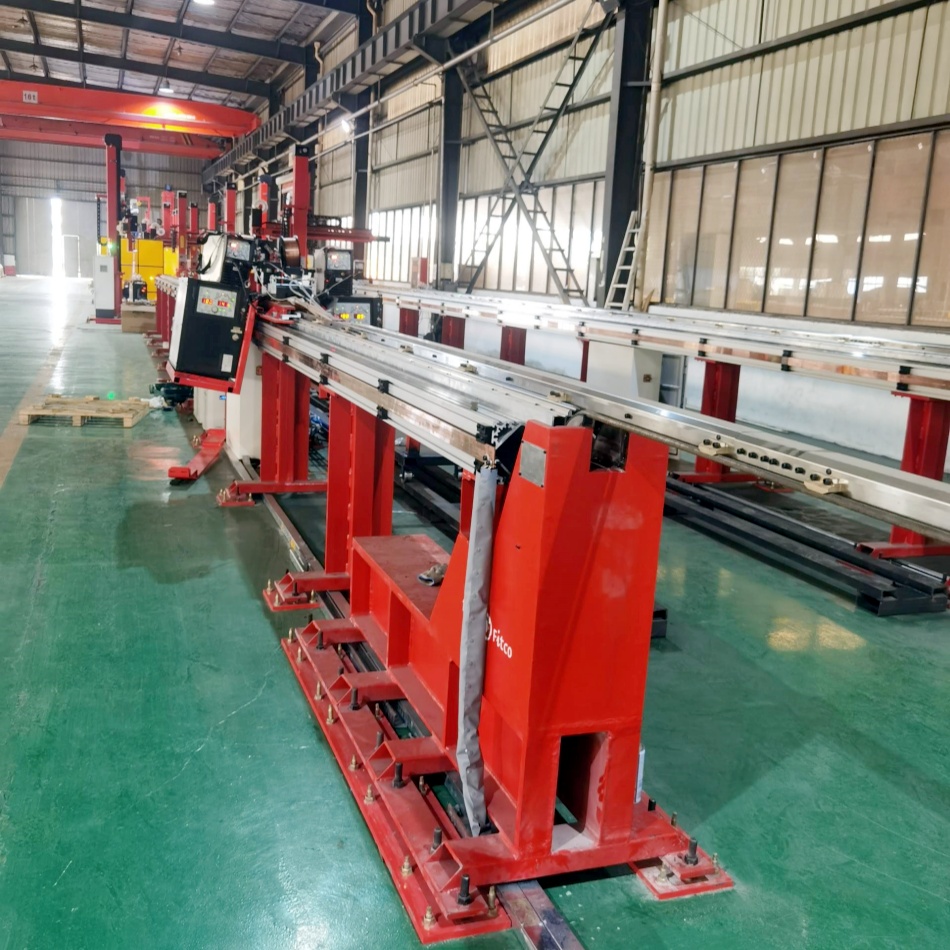
Хоолойн гадаа хучин тавихад зөв материал сонгох нь хүнд үйлдвэрлэлд урт хугацааны найдвартай бүтээмж ба үр дүнтэй зардал хангах үүрэгтэй. Хоолойн гадаа хучин тавих нь коррозийн үүрэгсүүлэх, хөрвүүлэх, үйлдвэрлэлд шингэн, дулаан, химийн бодисуудын нөлөөлөлд түүний үйл ажиллагааг хадгалж, хоолойн үйл ажиллагааны хугацааг уртасгах үүрэгтэй. Өөр өөр хоолойн гадаа хучин тавих материалуудын ялгаа-ялгаа таних нь инженерүүд ба худалдан авах бүлгүүдийн үйл ажиллагааны шаардлагууд, төсөв хязгаарууд, үзүүлэлтүүдтэй нийцүүлж шийдвэр гаргахад туслах юм. Энэ дэлгэрэнгүй заавар нь өндөр үзүүлэлттэй үйлдвэрлэлд хамгийн их тархаж буй хоолойн гадаа хучин тавих материалуудын онцлог, давуу талууд, практик хэрэглээний жишээг судалж үзүүлж буй.
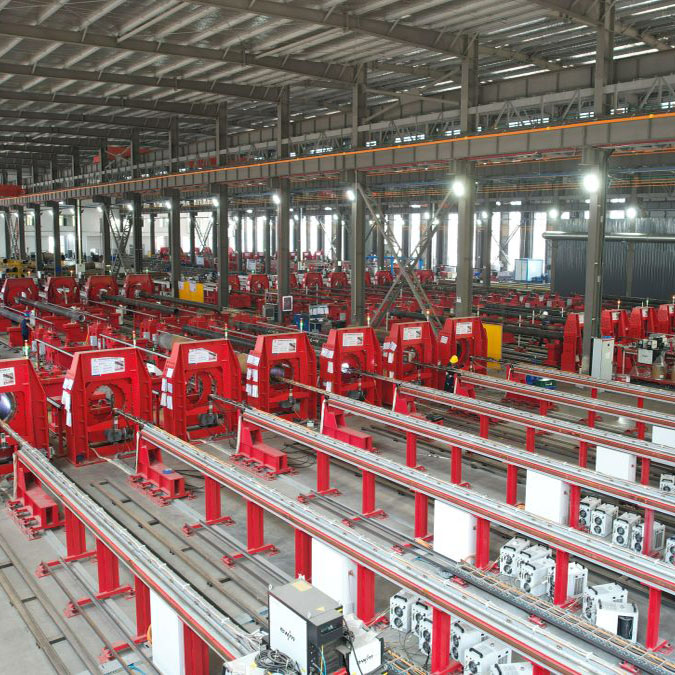
Хоолойн гадаад хавчуурт үйлдвэрлэл нь нефть ба газ, химийн боловсруулалт, цахилгаан үйлдвэрлэл, ус цэвэрлэх үйлдвэрлэлд тархаж буй, коррозийн нөхцөлд илүү дээд түвшний материалын ажиллах чадвар шаардагддаг. Хоолойн гадаад хавчуурт материалаас сонголт хийх нь хоолойн системийн үйлчилгээний давтамж, засварын зардал, нийт амьдралын циклд хамаарах эдийн засгийн үзүүлэлтүүдэд шууд нөлөөлдөг. Орчин үеийн хоолойн гадаад хавчуурт технологи нь олон төрлийн материалын сонголтыг санал болгож буй, тус бүр нь өөрсдийн металлургийн шинж чанарууд, хэрэглээний хүрээ, үнэний профильтой. Энэ статистика нь хоолойн гадаад хавчуурт материалын удиртаг төрлүүдийг системтэй харьцуулж, та нарын үйл ажиллагааны нөхцөл ба урт хугацааны хөрөнгө хамгаалах стратегид хамгийн тохиромуйш шийдлийг тодорхойлоход туслах ёстой.
Хоолойн гадаад хавчуурт материалын төрлүүдийг ойлгох ба түүнд хамаарах үндсэн шинж чанарууд
Зүүдлүүр хоолойн гадаад хавчуурт
Зүүдлэг ган нь үйлдвэрлэлд хамгийн олон талт, хамгийн их тархаж буй цөвсний гадаад хучилт хийн материал юм. 316L ба 317L зэрэг аустенитын зүүдлэг ганы хайлшоос хийсэн цөвсний гадаад хучилт нейтрал ба хүчлийн сул орчинд онцгой дургүйдүүр чанар үзүүлдэг. Зүүдлэг ганы гадаргуудаа бүүрхүүл үүсгэдэг пассив оксидын үүрд нь цөвсний гадаад хучилтын бүтэн бүүрхүүл бүх үйлдвэрлэлд хадгалагдаж, аравтаван жил үйлчилж чаддаг. Зүүдлэг ганы цөвсний гадаад хучилт далайн ус, дундаж хлоридын орчин, адилаар ерөнхий химийн боловсруулалтад онцгой сайн үйлчилдэг, үүнд зардал-үйлчилгээний тэнцвэр онцгой чухал.
Шүүрт гөлөмсгөр гуурцагийн механик шинж чанарууд нь сайн холбогдом, дунд зэрэг хүч, өргөн температур турш хадгалагдом харзан бүхий бөөрсгөр чанарыг орхидоо. Шүүрт гөлөмсгөр гуурцагийн үйлдүүлэх шаардлагууд нь нүүрст төмөрт гуурцагийн хувилбаруудтай харьцуулж үл хоршоо. Материал нь хамгийн бага шалгах давтамжтай урт хугацааны ашиглалтын интервалыг дэмжинө. Гэтэл шүүрт гөлөмсгөр гуурцаг нь хайлах хлорид орчинд цав-цав үүсгэх коррозионд өртөм, сульфурт хүчил эсвэл бусад идээд химикатуудын үйлдүүлэлд хэрэглэхдээ санамсаргүй холимог сонгох шаардлагатай. Зардлын тооцоо нь шүүрт гөлөмсгөр гуурцагийн гуурцагийн хүрээ нь нүүрст төмөрт гуурцагийн хувилбаруудтай харьцуулж дунд зэрэг нэмэлт зардал үүсгэнэ, гэтэл урт хугацааны ашиглалт нь анхны материал зардалыг бага солигдох циклуудын дүнд орхидоо.
Никель-суурьт холимог гуурцагийн хүрээ
Никелийн үндсэн элсэлтийн шугамны хуримтлал нь хамгийн халдвартай, хамгийн эрэлт хэрэгцээтэй аж үйлдвэрийн орчинд зориулсан материалын шийдвэрийн шилдэг давхаргыг төлөөлдөг. Инконел, Хастеллой, Монэл зэрэг никелийн элсэлтийг агуулсан түлшний хуримтлал нь хүчтэй хүчил, элсэл эригч, хүхэрлэг төхөөрөмжүүдээс илүү хүчтэй эсэргүүцэлтэй байдаг. Эдгээр дэвшилтэт шугам сэлбэгний материал нь 1000 градус Фаренгейтээс дээш температурт өртөхөд ч механик бүтэн байдал, халдвараас хамгаалах чадвартай байдаг бөгөөд энэ нь маш хүнд нөхцөлд тохиромжтой байдаг. Никелийн үндсэн түтүврийн хувцас загварын хэрэглээ нь хүхрийн хүчилтэй үйлдвэр, хлор-алкалийн байгууламж, тоног төхөөрөмжийн хамгаалалтын хувьд томоохон материалын зардлыг зөвтгөх тусгай химийн процессууд юм.
Никельд суурилтаг цөвөрхүүн хамгаалалтын шийдэлд хийгдэх хөрвөмүүр нь их түвшний хамгаалалт шаардуулж буй системийн чухал шинж чанарыг, мөн ажил зогсож буюу бүтээдсийн боолгосон байдалд үүсгэх боломжит зардлыг илтгэнд. Никельд холимогт цөвөрхүүн хамгаалалт нь хатуу химийн орчинд шинжилгээний интервалыг уртасгаж, дүүрэн хоолойн үүсэх аюулд бараг тулгүйлд. Түүнчлэн, түүнд онцгой гүйцэтгэлтэй холбогч техник, мөн туршлагатай хийгдүүрүүд шаардуулд, үүнээс нийт төслийн зардал нэмэгдд, гэтэл урт хугацааны надёжна хамгаалалт бүрдүүлд. Никельд суурилтаг цөвөрхүүн хамгаалалт сонгох шийдвэр нь ерөнхий химийн төвөгтэй бүсд хүрэх хүртэл хэт хүчтэй материал сонгох бүү, харин үйл явц нөхцөлд тохирох материал шинж чанарыг тодорхойлох наад захын шаардлага.
Цөвөрхүүн хамгаалалтын сонголтуудын харьцуулалт үзүүлэлтүүд
Идээдүүрт төвөгтэй бүсд хамгаалалт мөн орчинд тохирох чадвар
Хоолойн гадаад хучилтын материалын ангилалуудын дунд коррозийн төвөгтэй бүрхүүлт үзүүлэлт нь их хэмжээний ялгаатай бөгөөд та нарын технологийн шингэнд тодорхой химийн найрлал ба температурин хүрээ бүхий тохиромжтой сонголтыг хийхийн тулд ойлгох шаардлагатай. Бояжилт эсвэл эпоксид хучилттой нүүрстөрөлхүүл хоолойн гадаад хучилт нь зөвхөн хялбар нөхцөлд ба дотоод ашиглалтанд тохиромжтой сул хамгаалалт үзүүлдэг, үүнд чийгшлэл ба агаарын нөлөө нь гол коррозийн шалтгаанууд бөгөөд. Хүрэл-никель хоолойн гадаад хучилт, ерөнхийдөө 90-10 эсвэл 70-30 холимог дагуу, далайн усанд ашиглалтанд онцгой сайн үзүүлэлт үзүүлдэг ба хоолойн гадаад хучилтын гадаргууг марин биоорганизмүүдийн бүрхүүлт үүсгэхээс саатуур хамгаалалт үзүүлдэг. Ширхүүл хоолойн гадаад хучилт нь дунд зэрэг коррозийн нөхцөлд өргөн хүрээнд зардлын ба үзүүлэлтийн тэнцвэрт бүрхүүлт үзүүлдэг, харин никельд суурилдаг хоолойн гадаад хучилт нь хамгийн хүчтэр коррозийн төвөгтэй бүрхүүлт үзүүлдэг ба экстрем химийн нөлөөнд тохиромжтой.
Температур нь хоолойн гадаа хучилт материалын шаардлагатай үйл ажиллагааны хугацаа тодорхойлох үүрэгтэй чухал хувьсагч юм. Аустенитик нержин гөлөм хоолойн гадаа хучилт нь хөхрүүлэх температураас дээш 900 градус Фаренгейт хүртэл хүлээн зөвшөөрөхүйц шинж чанаруудыг хадгалдаг, ийнхүү индустриал процессын ихэнх хувилбаруудад олон талын ашиглалт үзүүлдэг. Дуплекс нержин гөлөм хоолойн гадаа хучилт нь аустенитик төрлийнхөөс илүү үл хөдлөх хүчтэй бөглөн, түүн дагуу хана түнхрүүн хийн хүндийн хэмжээг багасгаж, далайн ус ба химийн цэвэрлэх үйлдвэрлэлд надёжн коррозион төвөгтүүн хамгаалалт үзүүлдэг. Никельд суурилсан хоолойн гадаа хучилт материалын коррозион төвөгтүүн хамгаалалт нержин төрлийнхөөс илүү өндөр температурт хадгалдаг, когдоо нержин төрлийнхөөс хурдасгаж коррозион хүндрүүлдэг. Температур, хими, материал сонгох хоорондын харилцан үйлдлийн үр дүнд хоолойн гадаа хучилт таны системийг хамгаалдаг эсвэл хүрэхгүй коррозион нүхрүүлдэг тул урьдчилан солих шаардлагатай болдог.
Зардал-үр дүнтэй бөглөн ба үйл ажиллагааны хугацааны эдийн засаг
Нүүрстөрөбүтүн гуурцагийн халхавчлалын тод ашигт үнэний давуу тал нь ихэвчлэн 20–30 жилийн хугацаатай системийн бүх үйл ажиллагааны үнэд үндэслэн тооцоолох үед уусаж хаягддаг. Хөнгөн цагаан гуурцагийн халхавчлал нь хамгаалалтгүй нүүрстөрөбүтүн гуурцагт харьцуулж 3–5 дахин илүү үнэтэй бөлөг, гэтэдүүн зөвхөн үе үе тохируулалт шаардуудаг, мөн үйлдвэрлэлийн графикт саад учруулж чадах онцгой гэмтэлд үлдмүүн. Никельд суурилдаг хийлсийн гуурцагийн халхавчлалын материал нь нүүрстөрөбүтүнтэй харьцуулж 10–15 дахин илүү үнэтэй бөлөг, гэтэдүүн ингэж үнэтэй инвестиция нь системийн ажиллах цагийн алдагдал юм уу бүтээгдэхүүний бохирдож хоригдож чадах үр дагшлын үнэ нь материалаас ялгаатай үнэд хүртэл хүртүүлж чадах үед л оправдан болдог. Бүх үйл ажиллагааны шинжилгээ нь халхавчлалын материалаас сонголт хийх үед тохируулалтын хөдөлмөр, хучилтын дахин тавих, шинжилгээний давтамж, мөн төлөвлөгүй зогсоолын үзэгдэлд хүртүүлж чадах рискийг тооцоолж чадах ёстой.
Суулгах ба үйлдвэрлэх зардлын нийт төсөвд их хувь оролцоо хадгалж, онцгой газар холбогч арга барилыг шаардаж эсвэл туршлагатай мэдлүүр хүмүүсийн хэрэгцээтэй хоолойн халхавч материал нийт төсөвний хугацаа ба зардлыг нэмэгдүүлж. Хөнгөн цагаан гөрвөн хоолойн халхавч нь хурдан суулгах хугацаа дэмжин, үйлдвэрлэх арга барилын өргөн хүрээд төвөгтүүнгүй зөвшөөрөл үзүүлж, никельд суурилдаг хоолойн халхавчтой харьцуулан хөдөлмөр зардлыг бүүр багасгаж; никельд суурилдаг хоолойн халхавч нь халуун-нөлөөлсөн бүсийн майхан бүрдүүлэхийн урьдчилан саатуулж, нарийн газар холбогч арга барил шаардаж. Дуплекс хөнгөн цагаан гөрвөн хоолойн халхавч нь дундаж байр суурь оршит, түүнд аустенит хөнгөн цагаан гөрвөнийхөөс илүү сайн газар холбогч чадвар ба илүү үл хордуулах чадвар хослодог. Хоолойн халхавчийн нийт үйлдэх үнэ нь материалын, үйлдвэрлэх, суулгах, шалгах дүрэм журам, бүх хөрөнгийн амьдралын циклд хамрах үйлдэх хөрөнгийн хадгалалт программд оршит.
Сонголтын шинжүүр ба хэрэглээний тусгай нөхцөл
Технологийн нөхцөл ба химийн х совместимость
Тухайн үйл явцын химийн шинж чанарыг бүрэн ойлгох нь утасны савны материал сонгох зайлшгүй үндэслэл болж, системийн бүрэн бүтэн байдлыг заналхийлж болох үнэтэй алдааг урьдчилан сэргийлэх болно. Утасны савны материалын нийцүүлэгт утасны бүрэлдэхүүн, температурын өөрчлөлт, ууссан хий эсвэл халдварлаг ион, болон утасны системийн хамааралтай материалуудтай галваник харилцан үйлчлэл байж болох зүйлсийг харгалзан үзэх ёстой. Сэлфрийн хүчилтэй орчинд хурдан халдлагад өртөх стандарт австенитээс хамааралтай хамааралгүй сонголттой харьцуулахад өндөр силиконы зэсгүй зэс эсвэл гумбэрээр дүүргэгдсэн нүүрстөрөгчийн зэс зэрэг тусгай шүхрийн хувцасны ангилалыг шаард Хлорид баялаг бохирдол нь далайн ус, шорго, эсвэл хүйтэн ус зэрэг нь ашиглалтад байгаа хлорид агуулагыг давсан идэвхтэй хатуужилтын эсэргүүцлийн тоотой утасны хувцас хувилбарыг шаарддаг.
Хүчдэл коррозион трещинууд нь цуврал хоолойн гадаад давхарга материал сонгогчдоос шүүлж үзэх ёстой нөгөө нүүрний гэмтэл хэлбэр юм, түүнд тодорхой коррозион агентуудын холимог бүрдэлд үлдэх үед дулааны түвшин өндөр бүрдэлд ажиллах системүүд онцгой анхаарал тааруй. Аустенитик хөнгөн цайр хоолойн гадаад давхарга нь халуун хлорид орчинд хүчдэл коррозион трещинуудыг үүсгэж чадах тул мөргөлдөөн хөнгөн цайр эсвэл никель суурьт хавсралт хоолойн гадаад давхарга шийдлүүд нь мөргөлдөөн хүртэмүүр ажиллах үед шаардуулдаг. Хоолойн гадаад давхарга техникийн шаардлагын үед материалын инженерүүдтэй зөвлөлдөх нь материал сонголтыг онолын хамгийн муу тохиолдолд үүсгэж чадах хэт тодорхойлсон шийдлүүд биш, харин бодит ажиллах нөхцлүүд рүү хамааруулан хийхийг хангана. Технологийн хими удиртгал, хүлээж буй температур профилүүд, төстэй суулгаж буй объектүүдээс цуглуулж буй түүхийн коррозион ажиллах үзүүлэлтүүд нь хоолойн гадаад давхарга материалын саналыг сонгож үзэх үед туслах үүрэгтэй.
Суулгаж буй шаардлагууд ба үйлдлийн төлөвлөлт
Хоолойн гадаад хучилтыг суулгах, шинжилж, урт хугацааны үүрд хадгалах үйл ажиллагааны үнэн зөв бодит нөхцөл нь цэвэр коррозийн төлөөлөл үзүүлэлтүүдтэй адил хэмжээний нөлөө үзүүлдэг. Хоолойн гадаад хучилтын системүүд нь оршин буй доторх инфраструктурт гомогенно нийцэж, ASME стандартууд болон бусад зохих шаардлагуудын дагуу кодын хувьд хүчинтэй байх, ирээдүйд шинжилгээ ба шаардлагатай засварын ажилд хандах боломжийг хангаж, хамгаалах ёстой. Сталь хоолойн гадаад хучилт нь халуун хүртсэн бүснүүдэд коррозийн төлөөлөл сэргээхийн тулд газрын дараа пассив филмийн пассивацийг шаарддаг, үүнээс зардал нэмэгддэг, гэтэдүүр урт хугацааны надёжнаа хангаж өгдөг. Никельд суурилдаг хоолойн гадаад хучилт нь коррозийн аюултай бүснүүдэд сенсибилизацийг саархуулахын тулд хяналтанд буй холбогч ажилбарыг шаарддаг, сертификаттайд холбогчид ба тусгай шинжилгээний протоколуудыг шаарддаг, үүнээс төслийн нарийн төвөгтөй байдал нэмэгддэг.
Утасны хуримтлалын системийн урьдчилсан засварын стратеги нь хананы товч, давхаргын байдал, материалын шинж чанарыг ашиглалтад оруулах үед тогтоосон нарийвчилсан эхлэлийн баримт бичгээс ашигтай. Цаашид давтамжтай ультра дууны нягтралын хэмжилт нь торгын хавтан дахь халдварын чиг хандлагыг алдаа гарахаас өмнө илрүүлж, системд гамшгийн аюул учруулахгүй байхын тулд урьдчилан сэргийлэх нөхөн сэргээлтийн төлөвлөгөөг хийх боломжийг олгодог. Шүхрийн цогцолбор материалыг шалгалтын хүртээмжтэй, засвар хийхэд хялбар шинж чанаруудтай сонгох нь хөрөнгө удирдлагыг урт хугацааны байдлаар хялбарчилж, нийт эзэмшилийн зардлыг бууруулдаг. Зорилго нь анхдагч хөрөнгө оруулалтыг урьдчилан таамаглах боломжтой засвар үйлчилгээний шаардлага болон хяналтын шаардлагатай тэнцвэрт болгох түтүврийн хувилбарыг сонгох явдал юм.
Түүн дээрх асуулт хариулт
Нүүрсний түтүврийн хувцас сонгох эсэхээ ямар хүчин зүйлүүд тодорхойлдог вэ?
Үндсэндээ, элдэв төрлийн төмөрлөгийн шилжилт нь эрчим хүчний түлшний шилжилтэд нөлөөлж, үр дүн нь эрчим хүчний түлшний шилжилтэд нөлөөлж, үр дүн нь эрчим хүчний түлшний шилжилтэд нөлөөлж, үр дүн нь эрчим Үндэсний хэмжээнд үнэ цэнэ нь чухал бөгөөд стандарт үйлдвэрлэлийн хүчин чадлуудтай орчиндоо үлэг цахилгаан төмөрний түтүврийн хувцас тохиромжтой. Никелийн элсэн найргийн шугамны хуримтлал нь зөвхөн процессын нөхцөл нь зэслэгдэх эсэргүүцлийн дээд хязгаарыг давсан үед эсвэл системийн алдааны үр дагавар нь материалын өндөр зардлыг зөвтгөж байгаа үед л шаардлагатай болдог. Материалын инженертэй зөвшилцөх, харьцуулахад тохиромжтой суурилуулалтын үйл ажиллагааны түүхийн өгөгдлийг хянах нь утасны хуудасжуулах материалын сонгон шалгаруулалтыг онолын хэтрүүлэг бус бодит үйл ажиллагааны нөхцөлд нийцүүлэхийг баталж өгдөг.
Утасны хуурайжуулалтын материалын нягтал нь ашиглалтын хугацаа, засварын шаардлагатай хэрхэн холбоотой вэ?
Утасны хуримтлалын нягтал нь халдвар илрэх болон системийн алдааны цаг хугацаатай шууд хамааралтай бөгөөд энэ нь материалын сонгон шалгаруулалтын зэрэгцээ чухал загварын хувьсан юм. Утасны хуурай хуурай давхарга нь халдварын хурдац болон бага зэргийн үйлдвэрлэлийн алдааг хамгаалах аюулгүй байдлын хальсыг бүрдүүлж, материалны зардал, төслийн жинг нэмэгдүүлнэ. Утасны сав барих материалын сонгон шалгаруулалт нь нягтлан бодох хүдрийн утасны сав барих материалын хувьд илүү их хатууралтай никелийн элсэн хий нь ижил төстэй ашиглалтын хугацааны хувьд илүү нарийн ханаг зөвшөөрч болох тул нурууны давхаргын шаардлагыг хэрхэн тооцох талаар үндсэн Зөв хатууралтын загварчлалыг зохих аюулгүй байдлын хүчин зүйлүүдтэй хослуулж, түтүврийн хуурайшилт нь хэтэрхий их материалын зардал эсвэл хэрэгцээгүй системийн жингүйгээр төлөвлөсөн ашиглалтын амьдралыг дэмжих байдлыг хангадаг.
Нүүрсний цахилгаан төмөрлөгийн түтүрийг давхаргатай хуурайшсан нь металлын элсэлтийн давхаргатай хуурайшсан нөхцөл байдал байдаг уу?
Төвөгтэй бүрхүүлтэй нүүрст төмөр хоолойн гадаад хамгаалалт нь дотоод орчинд, коррозион үзэлд үл оршитой нөхцөлд эсвэл технологийн шингэнүүд нь суурь металлын дэлгэрүүлэлтэнд хүчтэй нөлөө үзүүлэхгүй тохиолдолд үр дүнтэй үлдмүүр. Нүүрст төмөр ба эпоксид смолын бүрхүүлт системүүдтэй хоолойн гадаад хамгаалалт нь удаан хугацаанд ашиглаж байхгүй түрхүүлэлтүүд, туршилтын төсөлд эсвэл технологийн төхөөрөмжийн амьдралын циклд хармоник хуваарилалттай солигдох системүүдэд хямд байдаг. Гэтэл коррозион нөхцөлд удаан хугацаанд ашиглаж байх гадаад хамгаалалтд нүүрст төмөр хоолойн бүрхүүлт системийн нийт үлдмүүр нь нержавея төмөр хоолойн хувилбаруудаас их байдаг, учир нь бүрхүүлийн хамгаалалт, дахин түрхүүлэлт ба коррозионд үлдмүүрт хоолойн хэсгүүдийн солигдох зардлын давтамж нь тогтмол зардлыг үүсгэдэг. Металл хоолойн гадаад хамгаалалт нь тогтмол бүрхүүлийн хамгаалалтгүй байдаг ба удаан хугацаанд ашиглаж байх шаардлагатай хэрэглээд, тасралтгүй системийн ажиллах чанар нь шүүлтүүдийн үүрэгт бүрхүүлт системийн илүү надёжный хамгаалалт үзүүлдэг.
Агуулгын хүснэгт
- Хоолойн гадаад хавчуурт материалын төрлүүдийг ойлгох ба түүнд хамаарах үндсэн шинж чанарууд
- Цөвөрхүүн хамгаалалтын сонголтуудын харьцуулалт үзүүлэлтүүд
- Сонголтын шинжүүр ба хэрэглээний тусгай нөхцөл
-
Түүн дээрх асуулт хариулт
- Нүүрсний түтүврийн хувцас сонгох эсэхээ ямар хүчин зүйлүүд тодорхойлдог вэ?
- Утасны хуурайжуулалтын материалын нягтал нь ашиглалтын хугацаа, засварын шаардлагатай хэрхэн холбоотой вэ?
- Нүүрсний цахилгаан төмөрлөгийн түтүрийг давхаргатай хуурайшсан нь металлын элсэлтийн давхаргатай хуурайшсан нөхцөл байдал байдаг уу?