
 EN
EN
 AR
AR BG
BG HR
HR CS
CS DA
DA NL
NL FI
FI FR
FR DE
DE EL
EL HI
HI IT
IT JA
JA KO
KO NO
NO PL
PL PT
PT RO
RO RU
RU ES
ES SV
SV TL
TL IW
IW ID
ID LT
LT UK
UK SQ
SQ HU
HU TH
TH TR
TR FA
FA AF
AF CY
CY MK
MK LA
LA MN
MN KK
KK UZ
UZ KY
KY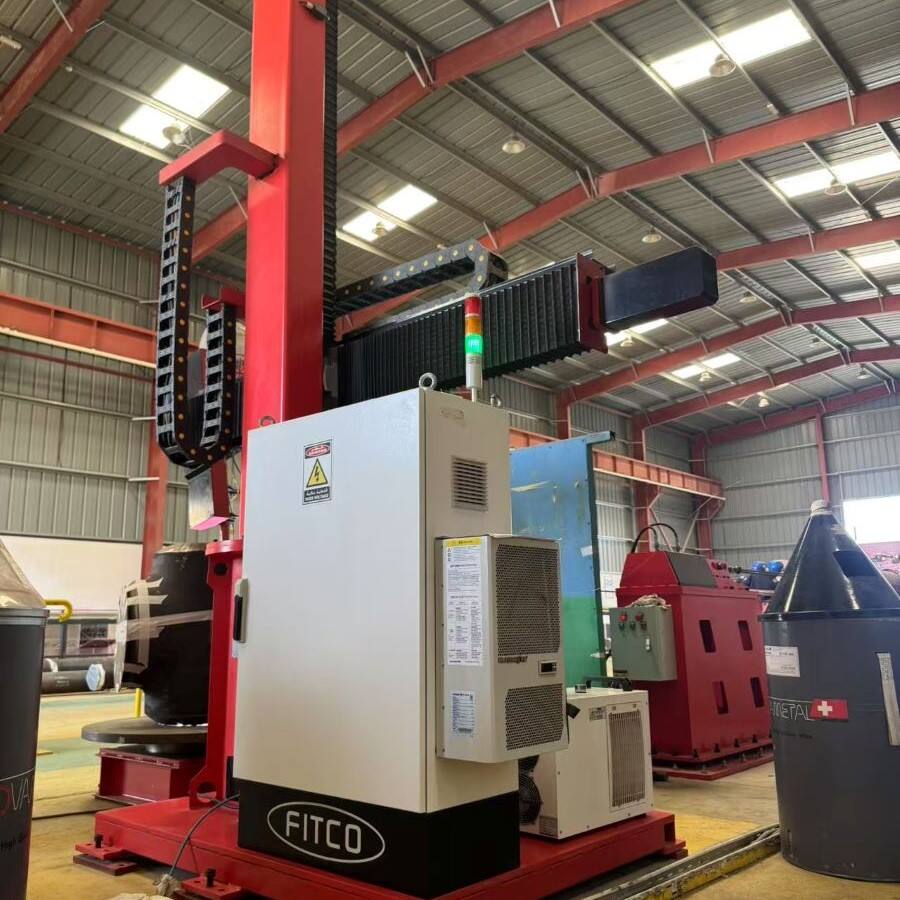
دستیابی به کیفیت جوش سازگار در طول درزهای طولانی، یکی از چالشبرانگیزترین جنبههای ساخت مدرن باقی مانده است. صنایع تولیدی به راهحلهای دقیق جوشکاری نیاز دارند که نفوذ یکنواخت، تغییر شکل حداقلی و تکرارپذیری قابل اعتمادی فراهم کنند. تجهیزات تخصصی جوشکاری طولی TIG با کنترل خودکار حرکت مشعل، پایداری قوس و توزیع ورودی گرما در امتداد مسیرهای جوش مداوم، به این الزامات حیاتی پاسخ میدهد.
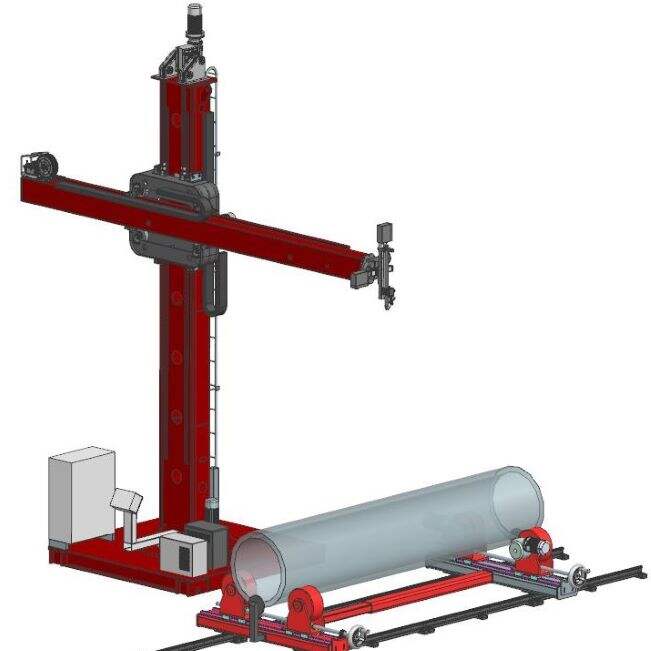
تکامل فناوری جوشکاری گاز بیاثر تنگستن، سیستمهای اتوماسیون پیشرفتهای را معرفی کرده است که بهطور خاص برای کاربردهای طولی طراحی شدهاند. این سیستمهای پیشرفته، مکانیزمهای دقیق موقعیتیابی را با پارامترهای جوشکاری قابل برنامهریزی ترکیب میکنند و به تولیدکنندگان امکان میدهند تا سطح بیسابقهای از یکنواختی جوش را به دست آورند. صنایع متعددی از جمله تولید هوانوردی تا ساخت خطوط لوله، به این راهحلهای تخصصی وابسته هستند تا استانداردهای سختگیرانه کیفیت را رعایت کنند و در عین حال، بهرهوری تولید را حفظ نمایند.
درک اصول اساسی پشت اتوماسیون جوشکاری طولی نشان میدهد که چرا تکنیکهای دستی سنتی اغلب در رسیدن به الزامات کیفی مدرن ناکافی هستند. اپراتورهای انسانی با محدودیتهای ذاتی در حفظ سرعت حرکت، زاویه مشعل و طول قوس بهطور یکنواخت در فواصل طولانی مواجه هستند. معرفی تجهیزات مکانیزه جوشکاری TIG طولی این متغیرها را از طریق دقت کنترلشده توسط کامپیوتر حذف میکند که منجر به مشخصات برتر جوش و کاهش نرخ کارهای اصلاحی میشود.
اصول اساسی اتوماسیون جوشکاری طولی
سیستمهای موقعیتیابی مکانیکی
اساس جوشکاری طولی مؤثر، سیستمهای دقیق موقعیتیابی مکانیکی است که هندسه بهینه شعله را در تمام مراحل فرآیند جوشکاری حفظ میکنند. این سیستمها از اکچوئیتورهای خطی، موتورهای سروو و سنسورهای فیدبک برای تضمین فاصله ثابت و زاویه حرکت یکنواخت استفاده میکنند. تجهیزات پیشرفته جوشکاری طولی TIG از کنترل چند محوره بهره میبرند تا بتوانند نوسانات قطعه کار را جبران کرده و در عین حال پارامترهای برنامهریزیشده جوشکاری را حفظ کنند.
سیستمهای موقعیتیابی مدرن قابلیت نظارت بلادرنگ را ادغام کردهاند که ناهنجاریهای قطعه کار را در حین عملیات جوشکاری تشخیص داده و جبران میکنند. سنسورهای لیزری ارتفاع و سیستمهای ردیابی نوری فیدبک مداومی به سیستم کنترل ارائه میدهند و امکان تنظیمات خودکار موقعیت مشعل و پارامترهای جوشکاری را فراهم میکنند. این قابلیت تطبیقی تضمین میکند که نفوذ جوش بهطور یکنواخت حفظ شود، حتی زمانی که با موادی سروکار داریم که تغییرات ابعادی یا تحریف حرارتی در حین فرآیند جوشکاری نشان میدهند.
فناوری کنترل قوس
سیستمهای کنترل قوس پیشرفته، جزء حیاتی تجهیزات طولی TIG محسوب میشوند و شرایط جوشکاری پایداری را در شکلهای مختلف اتصال و ضخامت مواد فراهم میکنند. این سیستمها ولتاژ قوس، جریان جوشکاری و پارامترهای جریان گاز را بهصورت لحظهای نظارت کرده و تنظیمات فوری انجام میدهند تا شرایط بهینه جوشکاری حفظ شود. ادغام قابلیت جریان پالسی امکان کنترل دقیق ورودی حرارتی را فراهم میکند و باعث کاهش تغییر شکل حرارتی در عین تضمین نفوذ کامل در محل اتصال میشود.
الگوریتمهای پیشرفته کنترل قوس بهطور مداوم شرایط جوشکاری را تحلیل میکنند و مشکلات احتمالی مانند ناپایداری قوس یا آلودگی را قبل از آنکه بر کیفیت جوش تأثیر بگذارند، تشخیص میدهند. سیستمهای کنترل تطبیقی قادر به تغییر پارامترهای جوشکاری بر اساس تغییرات هندسه اتصال، تفاوتهای خواص مواد یا عوامل محیطی هستند. این قابلیت کنترل هوشمند بهطور قابل توجهی رویداد عیوب جوشکاری را کاهش میدهد و ظاهر یکنواخت جوش را در طول اتصالات بلند تضمین میکند.
ارتقای کیفیت از طریق کنترل خودکار
مدیریت ورودی حرارت
مدیریت دقیق ورودی حرارت یکی از مهمترین مزایای تجهیزات جوشکاری خودکار طولی TIG است. توزیع یکنواخت ورودی حرارت، از تشکیل نقاط داغ جلوگیری میکند، تنشهای باقیمانده را کاهش میدهد و تغییر شکل در مونتاژهای جوشدادهشده را به حداقل میرساند. پارامترهای جوشکاری کنترلشده توسط کامپیوتر تضمین میکنند که هر بخش از جوش تحت شرایط حرارتی یکسانی قرار گیرد که منجر به ریزساختار یکنواخت و خواص مکانیکی یکسان میشود.
امکان برنامهریزی پروفایلهای خاص ورودی حرارتی به اپراتورها اجازه میدهد تا شرایط جوشکاری را برای بخشهای مختلف مصالح یا پیکربندیهای اتصال در یک فضای جوش تنظیم کنند. تجهیزات TIG طولی قادر هستند بهصورت خودکار سرعت حرکت، سطح جریان و مشخصات پالس را بهمنظور سازگاری با ضخامتهای مختلف مصالح یا تغییرات هدایت حرارتی تنظیم کنند. این قابلیت مدیریت تطبیقی حرارت، باعث ایجاد جوشهایی با عمق نفوذ و ویژگیهای ادغام یکنواخت در طول کامل آنها میشود.
ثبات پروفایل جوش
حفظ هندسه یکنواخت پروفایل جوش در طول فضاهای طولانیتر، نیازمند کنترل دقیق همزمان چندین متغیر جوشکاری است. سیستمهای خودکار در حفظ عرض یکنواخت ریل جوش، ارتفاع تقویت و عمق نفوذ از طریق کنترل پارامترهای برنامهریزیشده بسیار عالی عمل میکنند. حذف تغییرپذیری انسانی در دستکاری مشعل، منجر به جوشهایی با هندسه مقطع عرضی یکنواخت و خواص مکانیکی قابل پیشبینی میشود.
پیشرفته تجهیزات TIG طولی سیستمهای نظارت بر حوضچه جوش در زمان واقعی را به همراه دارد که مشخصات شکلگیری خط جوش را در حین عملیات جوشکاری تحلیل میکنند. این سیستمها قادر به تشخیص انحرافات از پارامترهای هدف پروفایل و انجام تصحیحات فوری در شرایط جوشکاری هستند. نتیجه، سازگاری عالی جوش است که استانداردهای صنعتی یا بالاتر از آن را برای کاربردهای مهم که به اتصالات جوشی با کیفیت بالا نیاز دارند، برآورده میکند.
کاربردهای صنعتی و مزایا
کاربردهای تولید در صنعت هوافضا
صنعت هوافضا به استانداردهای بسیار بالای کیفیت جوش نیاز دارد که تنها از طریق فرآیندهای جوشکاری خودکار دقیق قابل دستیابی است. تجهیزات جوشکاری TIG طولی امکان تولید اجزای حیاتی مانند مخازن سوخت، مخازن تحت فشار و مونتاژهای ساختاری را با قابلیت اطمینان مورد نیاز برای کاربردهای بحرانی پرواز فراهم میکند. کیفیت جوش سازگار حاصل از خودکارسازی، زمان بازرسی را کاهش میدهد و تقریباً نیاز به عملیات اصلاحی را حذف میکند.
کاربردهای تخصصی در تولید صنعت هوافضا اغلب به مواد غیرمعمول با ویژگیهای جوشکاری چالشبرانگیز نیاز دارند. تجهیزات جوشکاری TIG طولی کنترل دقیق پارامترهای مورد نیاز برای جوشکاری آلیاژهای تیتانیوم، اینکونل و سایر مواد با عملکرد بالا که معمولاً در کاربردهای هوافضا استفاده میشوند را فراهم میکند. توانایی حفظ پوشش یکنواخت گاز محافظ و ورودی گرمایی ثابت، از آلودگی جلوگیری کرده و خواص مکانیکی بهینه در جوشهای نهایی را تضمین میکند.
ساخت خطوط لوله و مخازن تحت فشار
کاربردهای جوشکاری لبه طولی در ساخت خطوط لوله و مخازن تحت فشار بهطور قابل توجهی از ثبات ارائهشده توسط تجهیزات خودکار جوشکاری طولی TIG بهره میبرند. این کاربردها معمولاً شامل مواد دیواره ضخیم بوده و نیازمند جوشهای نفوذ کامل با حداقل عیوب داخلی هستند. سیستمهای خودکار کنترل دقیق پارامترهای لازم برای دستیابی به این الزامات سختگیرانه را فراهم میکنند و در عین حال بهرهوری تولید را حفظ میکنند.
مزایای اقتصادی استفاده از تجهیزات TIG طولی در ساخت خطوط لوله شامل کاهش زمان جوشکاری، نرخ عیوب پایینتر و بهبود نرخ موفقیت در اولین مرحله جوش است. سیستمهای خودکار میتوانند بهطور مداوم و برای دورههای طولانی بدون تغییرات کیفیت ناشی از خستگی که در عملیات جوشکاری دستی رخ میدهد، کار کنند. این ثبات مستقیماً به کاهش هزینههای ساخت و بهبود برنامههای پروژه در نصب خطوط لوله در مقیاس بزرگ منجر میشود.
مشخصات فنی و پارامترهای عملکرد
قابلیتهای سیستم کنترل
تجهیزات مدرن TIG طولی شامل سیستمهای کنترل پیچیدهای است که قادر به مدیریت توالیهای پیچیده جوشکاری با تغییرات متعدد پارامترها هستند. این سیستمها از کنترلکنندههای منطقی قابل برنامهریزی با ظرفیت حافظه گسترده برای ذخیره رویههای جوشکاری و پارامترهای کیفیت برخوردارند. رابطهای پیشرفته انسان-ماشین امکان عملکردی شهودی فراهم میکنند و در عین حال قابلیتهای گسترده ثبت داده را برای اهداف تضمین کیفیت حفظ میکنند.
سیستمهای نظارت و بازخورد بلادرنگ درون تجهیزات جوشکاری TIG طولی بهطور مداوم شرایط جوشکاری و پارامترهای عملکرد را ارزیابی میکنند. این سیستمها قادر به تشخیص تغییرات در مشخصات قوس، تنظیم اتصال یا خواص مواد بوده و تنظیمات مناسبی را برای حفظ شرایط بهینه جوشکاری اعمال میکنند. ادغام الگوریتمهای هوش مصنوعی امکان نگهداری پیشبینیشده و بهینهسازی مستمر فرآیند را بر اساس دادههای تاریخی جوشکاری فراهم میکند.
معیارهای دقت و تکرارپذیری
تواناییهای دقت تجهیزات جوشکاری TIG طولی معمولاً بهمراتب بالاتر از عملیات جوشکاری دستی است. مشخصات دقت موقعیت معمولاً در محدوده هزارم اینچ قرار دارد، در حالی که کنترل سرعت حرکت تغییراتی کمتر از یک درصد را در طولهای طولانی جوش حفظ میکند. این سطح از دقت، هندسه جوش و خواص مکانیکی یکنواختی را تضمین میکند که نیازهای سختگیرانهترین کاربردها را برآورده میسازد.
اندازهگیریهای تکرارپذیری، سازگاری عالی حاصل از فرآیندهای جوشکاری طولی خودکار را نشان میدهند. تحلیل آماری پارامترهای کیفیت جوش، کاهش چشمگیری در انحراف معیار نسبت به عملیات جوشکاری دستی نشان میدهد. این بهبود در تکرارپذیری بهطور مستقیم منجر به نرخ موفقیت بالاتر در اولین مرحله، کاهش نیاز به بازرسی و کاهش کلی هزینههای تولید برای تولیدکنندگانی میشود که از تجهیزات جوشکاری طولی TIG استفاده میکنند.
نکات کاربردی و روشهای بهترین عملکرد
نیازمندیهای راهاندازی و برنامهریزی
اجرا موفقیتآمیز تجهیزات جوشکاری طولی TIG نیازمند توجه دقیق به رویههای اولیه راهاندازی و برنامهریزی پارامترها است. تثبیت مناسب و موقعیتدهی قطعه کار، دسترسی بهینه برای مشعل جوشکاری را تضمین میکند و ضمناً هندسه اتصال را در طول کل جوش ثابت نگه میدارد. برنامهریزی رویههای جوشکاری شامل تعیین پارامترهای بهینه برای هر ترکیب ماده و پیکربندی اتصالی است که در عملیات تولید با آن مواجه میشوند.
نیازمندیهای آموزشی برای اپراتورهای تجهیزات جوشکاری طولی TIG بر مهارتهای برنامهنویسی، نظارت بر کیفیت و رویههای عیبیابی تمرکز دارد و نه بر تکنیک جوشکاری دستی. اپراتورها باید رابطه بین پارامترهای جوشکاری و ویژگیهای حاصل از جوش را درک کنند تا عملکرد سیستم بهینه شود. برنامههای آموزشی جامع، استفاده حداکثری از قابلیتهای تجهیزات را فراهم میکنند و در عین حال استانداردهای کیفی یکنواخت را حفظ میکنند.
نگهداری و تضمین کیفیت
رویههای نگهداری منظم تجهیزات جوشکاری طولی TIG بر بازرسی اجزای مکانیکی، تأیید سیستمهای الکتریکی و رویههای کالیبراسیون تأکید دارند. برنامههای نگهداری پیشگیرانه به حفظ عملکرد یکنواخت تجهیزات و کاهش خرابیهای غیرمنتظره کمک میکنند. رویههای مناسب نگهداری، عمر تجهیزات را افزایش داده و دقت لازم برای عملیات جوشکاری با کیفیت بالا را حفظ میکنند.
روشهای تضمین کیفیت برای عملیات تجهیزات جوشکاری TIG طولی شامل پایش لحظهای و همچنین بازرسی پس از جوش است. سیستمهای جمعآوری داده به صورت خودکار، مستندات جامعی از پارامترهای جوشکاری و معیارهای کیفیت برای هر جوش انجامشده فراهم میکنند. این مستندات به پیگیری عملکرد کمک میکنند و دادههای ارزشمندی را برای اقدامات بهبود مستمر فرآیند فراهم میآورند.
سوالات متداول
مزایای اصلی استفاده از تجهیزات جوشکاری TIG طولی نسبت به روشهای جوشکاری دستی چیست؟
تجهیزات جوشکاری TIG طولی مزایای قابل توجهی از جمله کیفیت یکنواخت جوش، کاهش خستگی اپراتور، تکرارپذیری بهتر و سرعت بالاتر در جوشکاری فراهم میکنند. سیستمهای خودکار، تغییرپذیری انسانی در دستکاری مشعل را حذف کرده و منجر به عمق نفوذ یکنواخت، هندسه برجسته و خواص مکانیکی یکسان در طول درزهای جوش طولانی میشوند. کنترل دقیق این سیستمها همچنین نرخ عیوب را کاهش داده و نیاز به کارهای اصلاحی را به حداقل میرساند.
موقعیتیابی خودکار چگونه یکنواختی جوش را در کاربردهای طولی بهبود میبخشد
سیستمهای موقعیتیابی خودکار، هندسه مشعل و پارامترهای حرکت را در سراسر فرآیند جوشکاری بهطور مداوم حفظ میکنند و این شامل فاصله استاندارد ثابت، زاویه حرکت و سرعت جوشکاری میشود. سنسورهای بازخورد لحظهای تغییرات قطعه کار را تشخیص داده و تنظیمات خودکاری انجام میدهند تا شرایط برنامهریزیشده جوشکاری حفظ شوند. این کنترل دقیق، ناهماهنگیهای ذاتی موجود در دستکاری دستی مشعل را حذف کرده و منجر به یکنواختی بسیار بالای جوش در طول درزهای طولانی میشود.
چه نوع موادی میتوانند بهطور مؤثر با تجهیزات TIG طولی جوش داده شوند
تجهیزات جوشکاری طولی TIG بهطور موفقیتآمیزی محدوده وسیعی از مواد از جمله فولاد ضدزنگ، آلیاژهای آلومینیوم، تیتانیوم، اینکونل و سایر آلیاژهای تخصصی که معمولاً در کاربردهای هوافضا و صنعتی استفاده میشوند را میجوشد. قابلیتهای دقیق کنترل پارامترهای این سیستمها آنها را بهویژه مناسب برای جوشکاری مواد خاص با ویژگیهای چالشبرانگیز میکند. برنامهریزی و رویههای نصب مناسب، نتایج بهینه را مستقل از نوع ماده یا تغییرات ضخامت تضمین میکنند.
چه عواملی باید هنگام انتخاب تجهیزات جوشکاری طولی TIG برای کاربردهای خاص در نظر گرفته شوند
عوامل کلیدی انتخاب شامل ابعاد حداکثری قطعه کار، سرعتهای جوشکاری مورد نیاز، سازگاری با مواد، الزامات دقت و قابلیتهای ادغام با سیستمهای تولید موجود میشود. پیچیدگی سیستم کنترل مورد نیاز برای کاربردهای خود را در نظر بگیرید، از جمله انعطافپذیری برنامهنویسی، قابلیتهای نظارت و الزامات ثبت داده. خدمات پشتیبانی سازنده، برنامههای آموزشی و دسترسی به قطعات یدکی را ارزیابی کنید تا موفقیت عملیاتی در بلندمدت تضمین شود.
فهرست مطالب
- اصول اساسی اتوماسیون جوشکاری طولی
- ارتقای کیفیت از طریق کنترل خودکار
- کاربردهای صنعتی و مزایا
- مشخصات فنی و پارامترهای عملکرد
- نکات کاربردی و روشهای بهترین عملکرد
-
سوالات متداول
- مزایای اصلی استفاده از تجهیزات جوشکاری TIG طولی نسبت به روشهای جوشکاری دستی چیست؟
- موقعیتیابی خودکار چگونه یکنواختی جوش را در کاربردهای طولی بهبود میبخشد
- چه نوع موادی میتوانند بهطور مؤثر با تجهیزات TIG طولی جوش داده شوند
- چه عواملی باید هنگام انتخاب تجهیزات جوشکاری طولی TIG برای کاربردهای خاص در نظر گرفته شوند