Professional Heavy Equipment Welding Services - Expert Repair & Fabrication Solutions

Contact me immediately if you encounter problems!

All Categories

Get a Free Quote

Our representative will contact you soon.
Email
Mobile/WhatsApp
Name
Company Name
Message
0/1000

Get a Free Quote

Our representative will contact you soon.
Email
Mobile/WhatsApp
Name
Company Name
Message
0/1000

heavy equipment welding

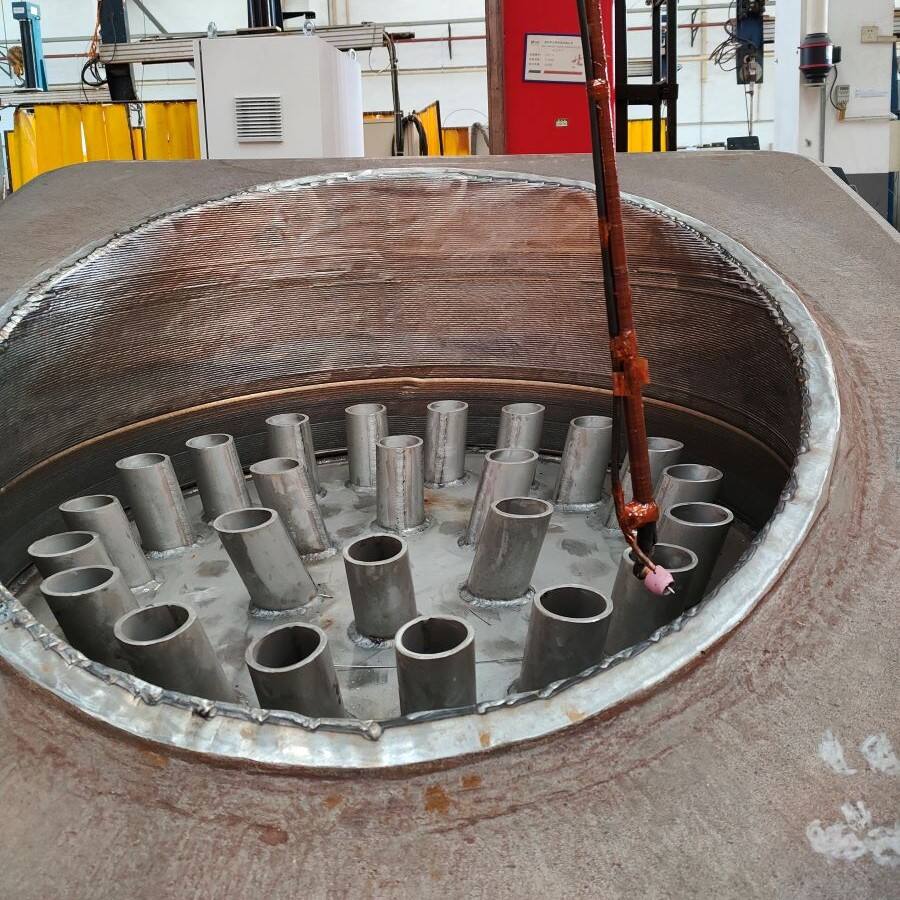
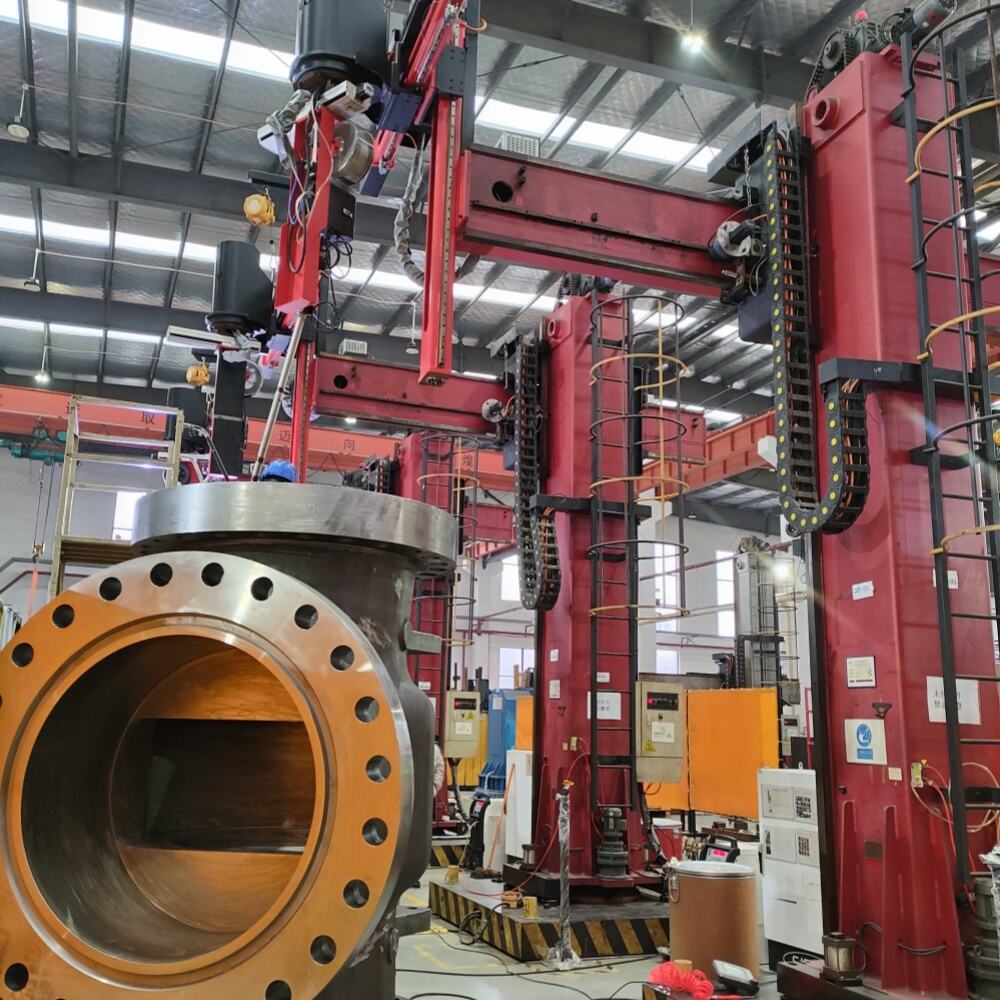
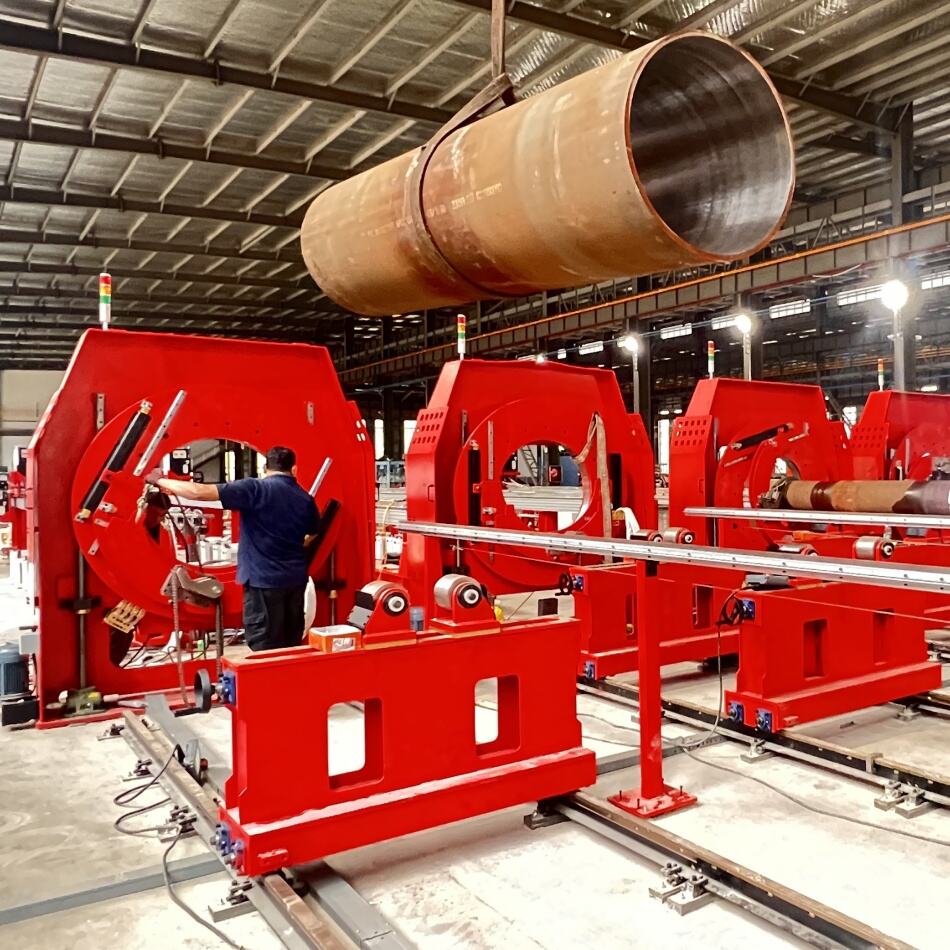
Heavy equipment welding represents a specialized branch of industrial fabrication that focuses on joining metal components for large-scale machinery and construction equipment. This critical process involves using high-temperature techniques to fuse metal parts together, creating permanent bonds that withstand extreme operational conditions. Heavy equipment welding encompasses various methods including stick welding, MIG welding, TIG welding, and flux-cored arc welding, each selected based on specific material requirements and environmental factors. The primary functions of heavy equipment welding include structural repair, component replacement, reinforcement of existing structures, and custom fabrication of specialized parts. Modern heavy equipment welding incorporates advanced technological features such as automated welding systems, computer-controlled precision equipment, and sophisticated monitoring devices that ensure consistent quality and accuracy. These systems utilize real-time feedback mechanisms to adjust parameters automatically, maintaining optimal welding conditions throughout the process. The applications for heavy equipment welding span numerous industries including construction, mining, agriculture, transportation, and manufacturing. Construction companies rely on heavy equipment welding for maintaining bulldozers, excavators, cranes, and other essential machinery. Mining operations depend on welding services to keep conveyor systems, extraction equipment, and processing machinery operational. Agricultural businesses require welding expertise for tractors, harvesters, and irrigation systems. The transportation sector utilizes heavy equipment welding for truck chassis, trailers, and specialized hauling equipment. Manufacturing facilities employ welding services for production line machinery, material handling equipment, and custom tooling solutions. Heavy equipment welding demands specialized expertise due to the unique challenges presented by large-scale projects, including working with thick materials, managing heat distribution across extensive surfaces, and ensuring structural integrity under heavy load conditions.

New Product Releases

Heavy equipment welding provides substantial cost savings compared to purchasing new machinery or components, allowing businesses to extend equipment lifespan significantly while maintaining operational efficiency. Companies can reduce capital expenditures by up to seventy percent when choosing professional welding repairs over complete equipment replacement. This approach delivers immediate financial benefits and improves long-term budget planning capabilities. Professional heavy equipment welding services offer rapid turnaround times that minimize costly downtime, ensuring operations continue smoothly without extended interruptions. Skilled welders can complete most repairs within hours or days rather than weeks required for ordering and installing replacement parts. Heavy equipment welding provides superior structural integrity through advanced metallurgical processes that create bonds stronger than original manufacturing specifications. These enhanced connections withstand extreme stress, vibration, and environmental exposure better than factory assemblies. The precision offered by modern heavy equipment welding techniques ensures exact dimensional accuracy, maintaining proper alignment and functionality of complex mechanical systems. This level of precision prevents premature wear, reduces maintenance requirements, and extends overall equipment life cycles. Flexibility represents another key advantage, as heavy equipment welding allows for custom modifications and improvements that enhance performance beyond original design parameters. Operators can upgrade existing equipment with reinforcements, attachments, or specialized features tailored to specific operational requirements. Environmental benefits emerge through reduced waste generation, as welding repairs prevent equipment from entering landfills prematurely while conserving natural resources required for manufacturing new machinery. Heavy equipment welding supports sustainability initiatives by promoting circular economy principles through repair, refurbishment, and life extension practices. Quality assurance measures embedded in professional heavy equipment welding processes guarantee reliable results through certified procedures, material traceability, and comprehensive testing protocols. These quality controls eliminate guesswork and provide documented evidence of repair integrity for insurance and compliance purposes.

Practical Tips

The Role of overlay cladding in Refurbishing Heavy Machinery

16

Mar

The Role of overlay cladding in Refurbishing Heavy Machinery

Heavy machinery operates under extreme conditions, facing constant wear from abrasion, corrosion, and mechanical stress that gradually degrades critical components. When expensive equipment begins showing signs of deterioration, manufacturers and ope...
View More
How Does MIG Welding Equipment Enhance Efficiency in Large-Scale Work?

27

Nov

How Does MIG Welding Equipment Enhance Efficiency in Large-Scale Work?

In today's competitive manufacturing landscape, industrial operations demand maximum productivity while maintaining superior quality standards. MIG welding equipment has emerged as a cornerstone technology for large-scale fabrication projects, revolu...
View More
Which Industries Benefit Most from Using a TIG Welder?

13

Jan

Which Industries Benefit Most from Using a TIG Welder?

TIG welding technology has revolutionized manufacturing and fabrication processes across numerous industries, offering unparalleled precision and quality in metal joining applications. The versatility of a TIG welder makes it an indispensable tool fo...
View More
How Can Longitudinal TIG Equipment Improve Weld Uniformity?

13

Jan

How Can Longitudinal TIG Equipment Improve Weld Uniformity?

Achieving consistent weld quality across extended seams remains one of the most challenging aspects of modern fabrication. Manufacturing industries demand precision welding solutions that deliver uniform penetration, minimal distortion, and reliable ...
View More

Get a Free Quote

Our representative will contact you soon.
Email
Mobile/WhatsApp
Name
Company Name
Message
0/1000

heavy equipment welding

Advanced Metallurgical Expertise

Advanced Metallurgical Expertise

Heavy equipment welding requires sophisticated understanding of metallurgical principles that govern how different metal compositions react under various welding conditions. Professional welders possess comprehensive knowledge of base metal characteristics, filler material selection, and thermal management techniques essential for achieving optimal joint strength and durability. This expertise becomes particularly crucial when working with high-strength steels, aluminum alloys, and exotic materials commonly found in modern heavy equipment manufacturing. The metallurgical expertise encompassed in heavy equipment welding includes precise control of heat input, interpass temperatures, and cooling rates that directly influence the microstructure and mechanical properties of welded joints. Skilled practitioners understand how carbon content, alloying elements, and prior heat treatment affect weldability and select appropriate procedures accordingly. They recognize the importance of preheating thick sections to prevent cracking, controlling dilution rates to maintain desired chemical compositions, and implementing post-weld heat treatment when necessary to optimize mechanical properties. Advanced metallurgical knowledge enables welders to address challenging scenarios such as dissimilar metal joining, where different thermal expansion coefficients and chemical compositions require specialized techniques. They understand how to manage residual stresses through proper joint design, welding sequence, and thermal management strategies. This expertise extends to recognizing and preventing common metallurgical defects such as hot cracking, cold cracking, and loss of corrosion resistance that could compromise equipment reliability. Professional heavy equipment welding services maintain detailed metallurgical documentation that tracks material certifications, welding procedures, and quality assurance measures throughout the repair process. This comprehensive approach ensures that welded repairs meet or exceed original equipment manufacturer specifications while providing long-term reliability under demanding operational conditions.
Precision Equipment and Technology

Precision Equipment and Technology

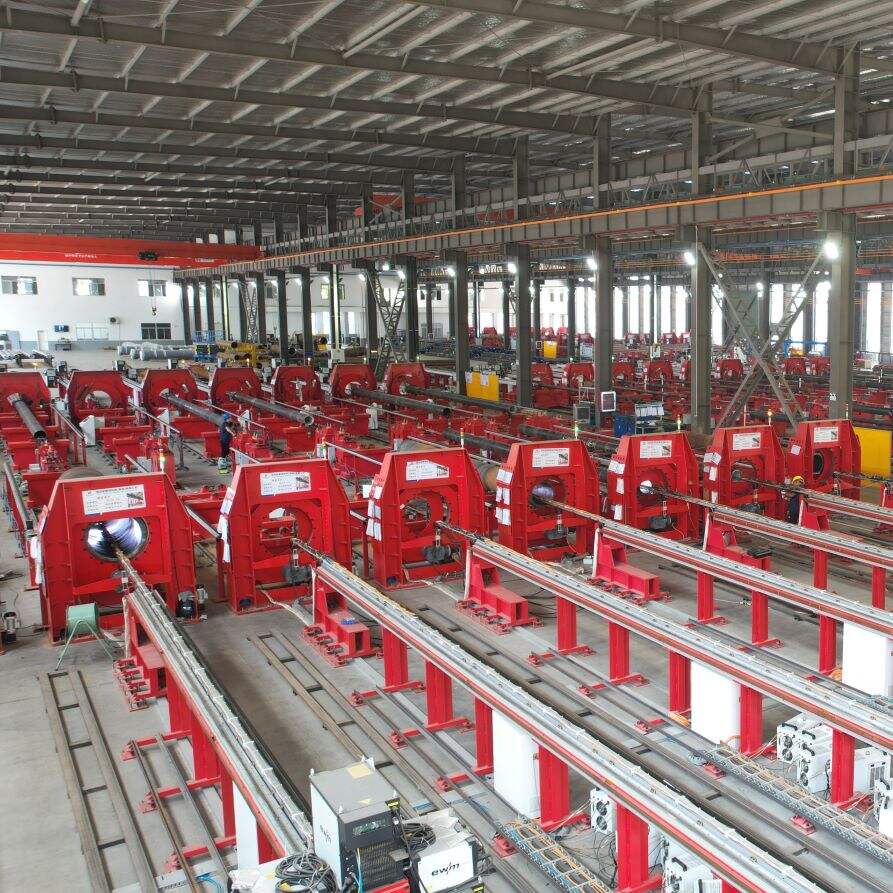
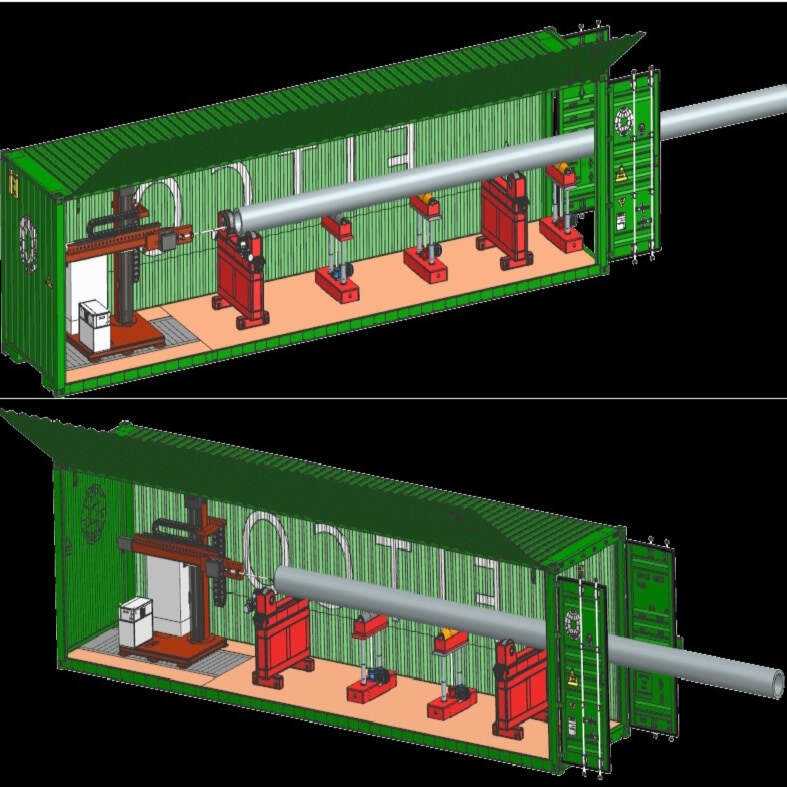
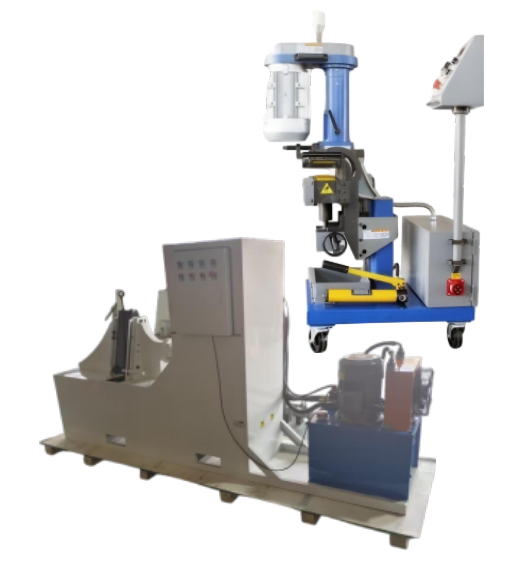
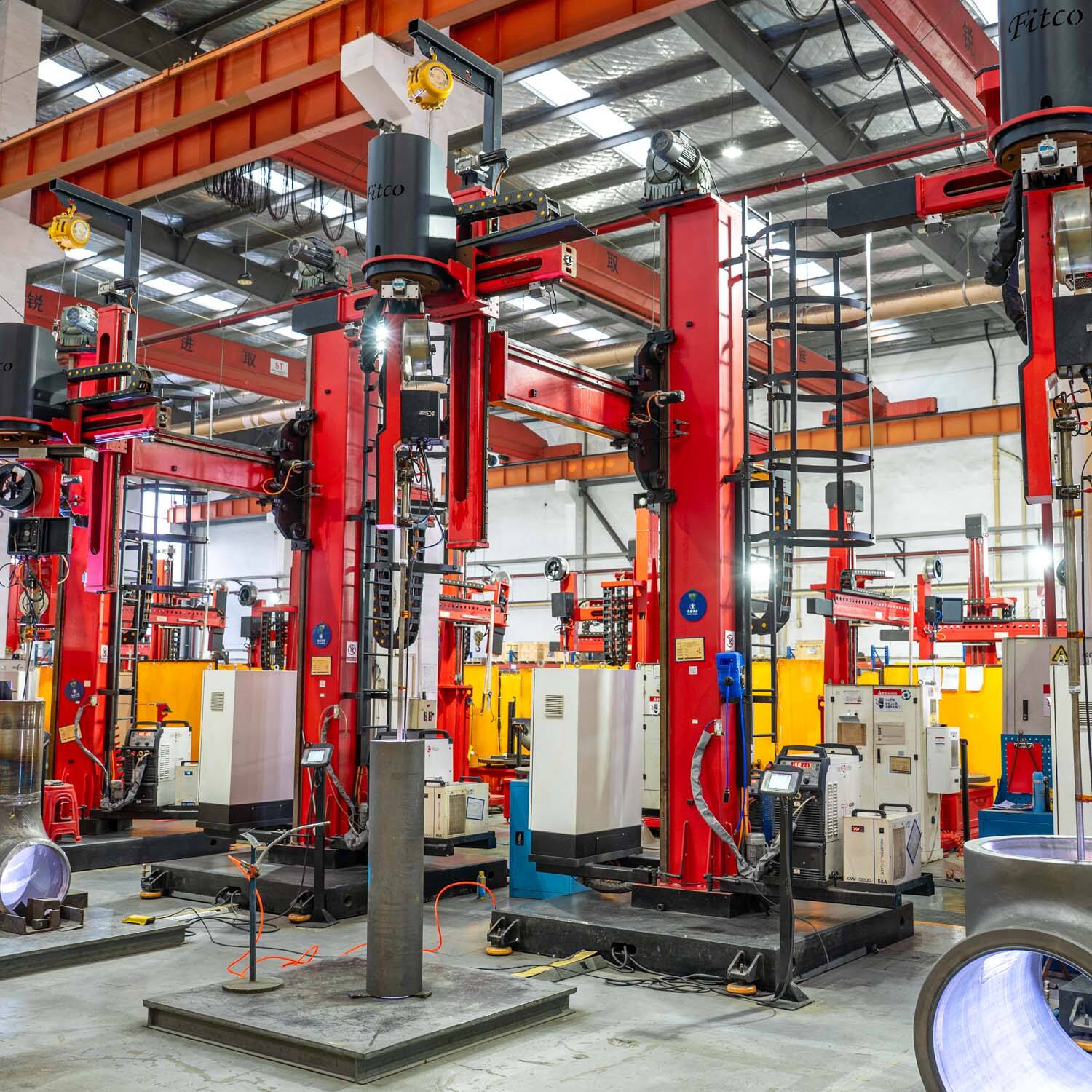
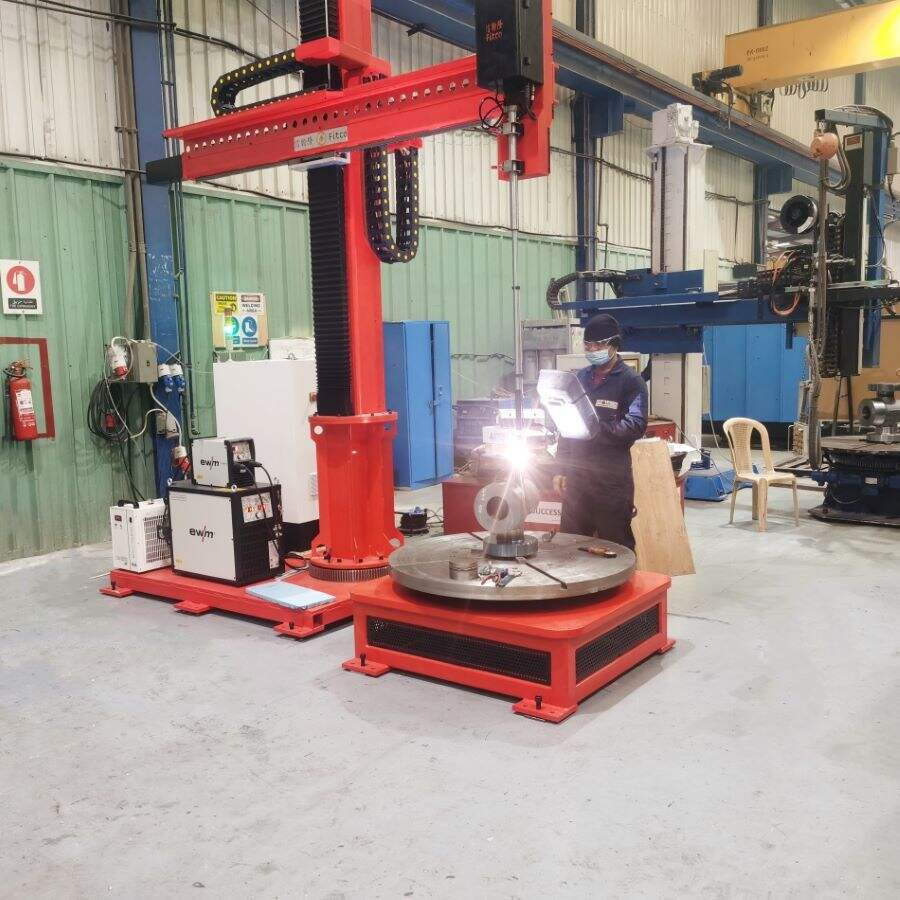
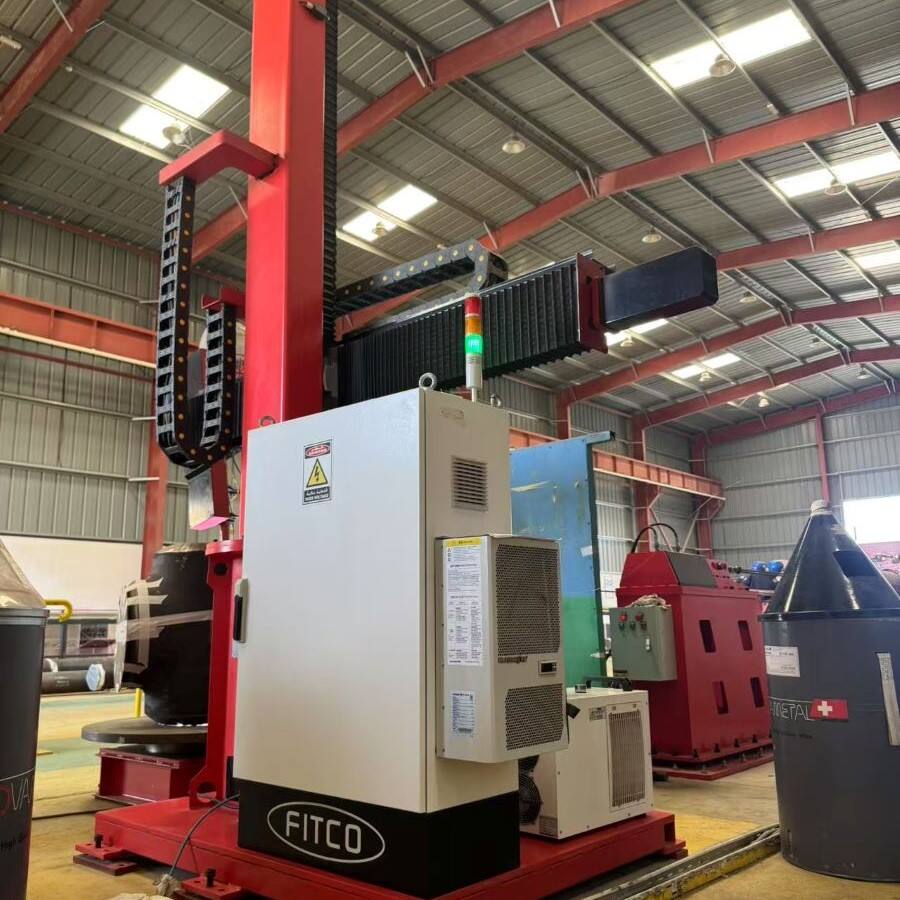
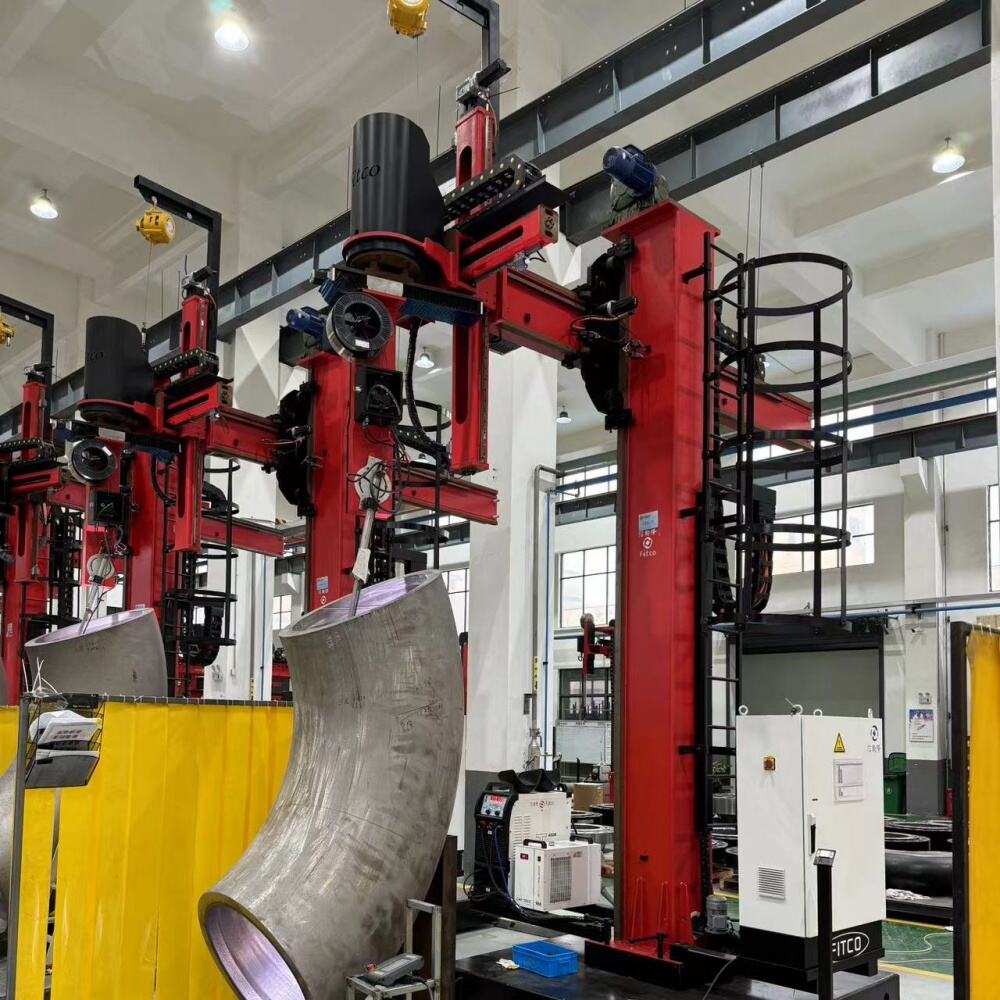
Modern heavy equipment welding utilizes cutting-edge technology and precision equipment that delivers consistent, high-quality results across diverse applications and challenging environments. Advanced welding systems incorporate computerized controls that monitor and adjust critical parameters in real-time, ensuring optimal arc characteristics, penetration depth, and deposition rates throughout the welding process. These sophisticated systems feature digital displays that provide welders with instant feedback on voltage, amperage, wire feed speed, and travel speed, enabling precise control over weld quality and consistency. Heavy equipment welding operations employ specialized positioning equipment including manipulators, positioners, and automated welding systems that ensure proper joint access and optimal welding positions even in confined spaces or awkward orientations. This equipment enhances both safety and quality by maintaining consistent torch angles, travel speeds, and standoff distances that would be difficult to achieve through manual manipulation alone. Advanced plasma cutting systems integrated with heavy equipment welding operations provide precise material preparation and beveling capabilities that ensure proper joint fit-up and penetration characteristics. These systems utilize computer numerical control technology to achieve tight tolerances and consistent edge preparation across complex geometries. Non-destructive testing equipment represents another critical technological component, including ultrasonic testing devices, magnetic particle inspection equipment, and radiographic systems that verify weld integrity without compromising structural components. Digital documentation systems capture and store welding parameters, inspection results, and quality assurance data that support traceability requirements and continuous improvement initiatives. Portable welding equipment designed specifically for heavy equipment applications provides flexibility to perform repairs at customer locations while maintaining the same quality standards achieved in controlled shop environments. This mobility reduces transportation costs and minimizes equipment downtime by bringing professional welding capabilities directly to operational sites.
Comprehensive Quality Assurance Programs

Comprehensive Quality Assurance Programs

Professional heavy equipment welding services implement comprehensive quality assurance programs that encompass every aspect of the welding process from initial assessment through final inspection and documentation. These programs establish standardized procedures that ensure consistent results regardless of project complexity or environmental conditions, providing customers with confidence in repair reliability and longevity. Quality assurance in heavy equipment welding begins with thorough material identification and verification procedures that confirm base metal specifications, chemical compositions, and mechanical properties before welding commences. This initial assessment prevents compatibility issues and ensures appropriate welding procedure selection for specific material combinations. Certified welding procedures form the foundation of quality assurance programs, documenting specific parameters, techniques, and acceptance criteria for each type of repair or fabrication work. These procedures undergo rigorous testing and qualification according to industry standards before implementation, ensuring proven effectiveness under actual operating conditions. Welder qualification and certification programs ensure that personnel possess the necessary skills and knowledge to execute welding procedures correctly and consistently. Regular recertification requirements maintain competency levels and incorporate updates to welding technology and industry best practices. In-process monitoring and inspection protocols verify that welding parameters remain within specified ranges throughout the repair process, identifying and correcting deviations before they affect weld quality. Post-weld inspection procedures utilize both visual examination and non-destructive testing methods to verify that completed welds meet dimensional and integrity requirements. Comprehensive documentation systems maintain detailed records of material certifications, welding procedures, inspector qualifications, and test results that support warranty claims and regulatory compliance requirements. Customer communication protocols ensure that quality assurance findings and recommendations are clearly communicated, enabling informed decisions about repair scope and maintenance scheduling.

Get a Free Quote

Our representative will contact you soon.
Email
Mobile/WhatsApp
Name
Company Name
Message
0/1000