
 EN
EN
 AR
AR BG
BG HR
HR CS
CS DA
DA NL
NL FI
FI FR
FR DE
DE EL
EL HI
HI IT
IT JA
JA KO
KO NO
NO PL
PL PT
PT RO
RO RU
RU ES
ES SV
SV TL
TL IW
IW ID
ID LT
LT UK
UK SQ
SQ HU
HU TH
TH TR
TR FA
FA AF
AF CY
CY MK
MK LA
LA MN
MN KK
KK UZ
UZ KY
KY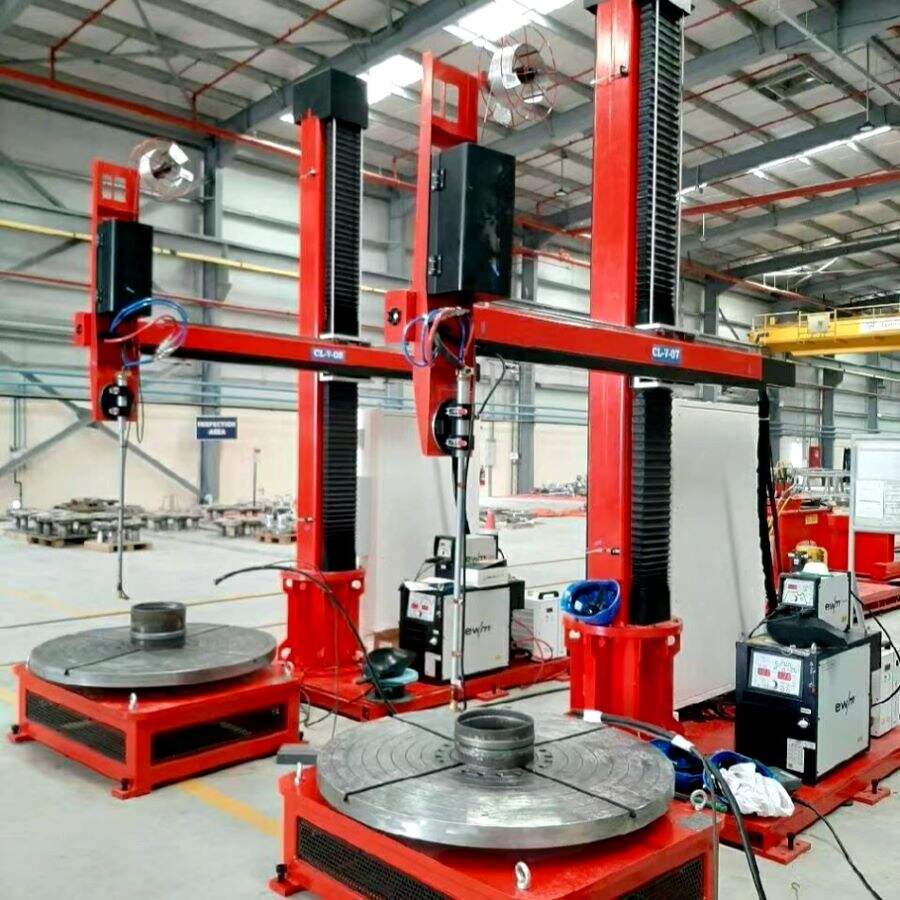
When working with thin-wall stainless steel applications, selecting the right welding equipment becomes critical to achieving optimal results. A TIG welder offers unparalleled precision and control that makes it the preferred choice for delicate stainless steel fabrication projects. The tungsten inert gas welding process provides clean, high-quality welds with minimal heat input, making it ideal for applications where material distortion must be avoided. Industries ranging from aerospace to pharmaceutical equipment manufacturing rely on TIG welding technology to meet stringent quality standards and achieve consistent results on thin-wall stainless components.
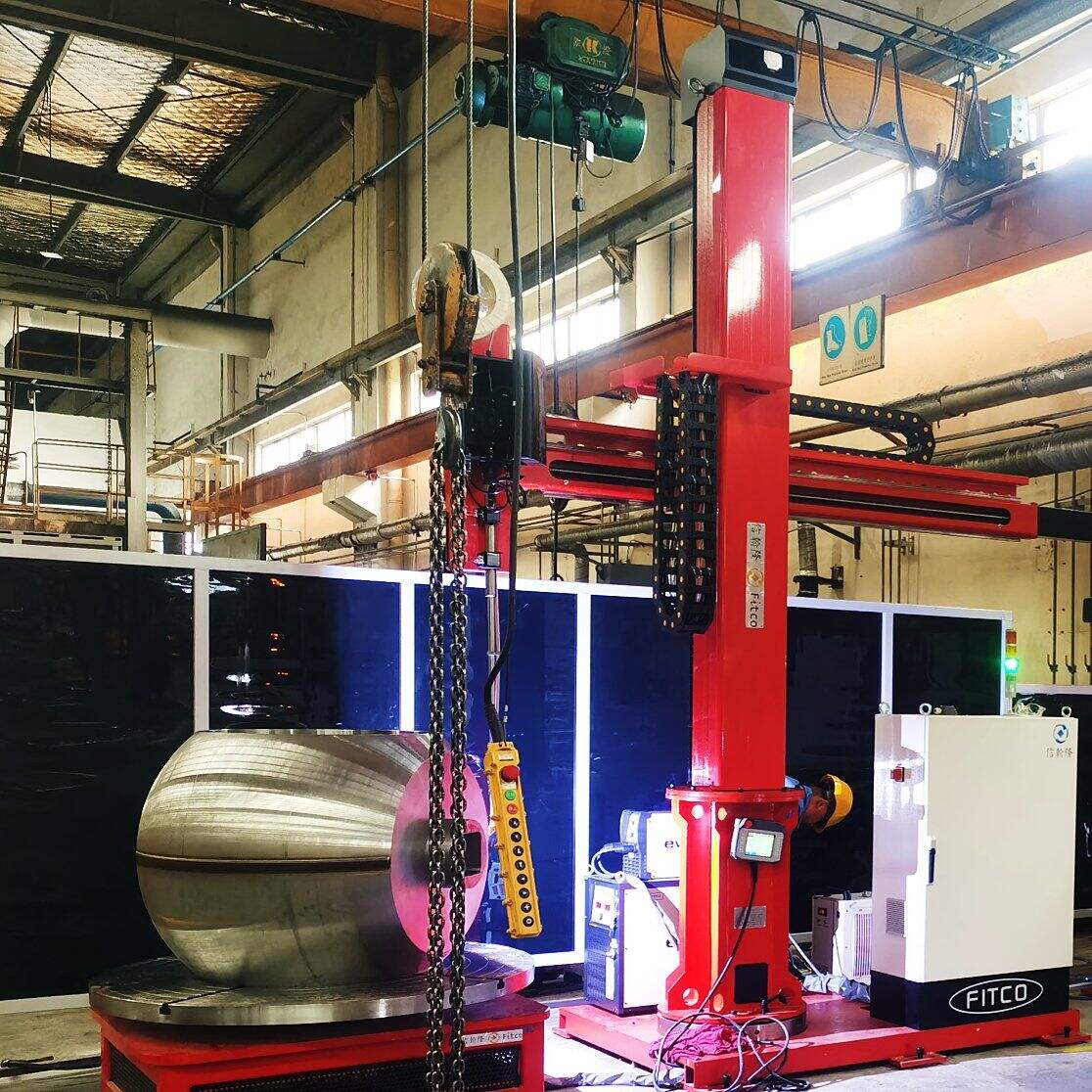
Precision Control Capabilities of TIG Welding Systems
Advanced Heat Input Management
The precise heat control offered by a TIG welder system allows operators to manage thermal input with exceptional accuracy. This capability becomes crucial when working with thin-wall stainless steel materials that are susceptible to warping and distortion under excessive heat. Modern TIG welders feature sophisticated amperage control systems that enable fine-tuned adjustments throughout the welding process. The ability to modulate heat input in real-time ensures that the base material remains within acceptable temperature ranges while achieving proper fusion.
Pulse welding functionality in advanced TIG welder models provides additional control over heat application. This feature alternates between high and low current levels, allowing the weld pool to cool between pulses while maintaining adequate penetration. For thin-wall applications, pulse welding significantly reduces the risk of burn-through while ensuring complete joint penetration. The controlled thermal cycling also minimizes residual stresses in the finished weldment, contributing to improved mechanical properties and dimensional stability.
Electrode Selection and Performance
Tungsten electrode selection plays a vital role in optimizing TIG welder performance for stainless steel applications. Different tungsten alloys offer varying characteristics that affect arc stability, heat distribution, and electrode life. Thoriated tungsten electrodes provide excellent arc starting characteristics and maintain stable arcs at lower amperages, making them suitable for thin-wall work. However, ceriated and lanthanated tungsten alternatives offer similar performance while eliminating radioactivity concerns associated with thorium.
Proper electrode preparation ensures consistent arc characteristics and optimal weld quality. The electrode tip geometry affects heat concentration and arc directional properties. For thin-wall stainless applications, a properly sharpened tungsten with a consistent taper angle provides stable arc initiation and maintains steady heat input throughout the welding process. Regular electrode maintenance and proper grinding techniques contribute significantly to achieving repeatable results with a TIG welder system.
Material Compatibility and Metallurgical Considerations
Stainless Steel Alloy Characteristics
Understanding the metallurgical properties of various stainless steel grades helps optimize TIG welder settings for specific applications. Austenitic stainless steels, including 304 and 316 grades, exhibit different thermal conductivity and expansion characteristics compared to ferritic or martensitic grades. These differences require adjusted welding parameters to achieve optimal results. The low thermal conductivity of austenitic stainless steels means heat builds up quickly during welding, making precise control essential for thin-wall applications.
Chromium carbide precipitation represents a significant concern when welding stainless steel with a TIG welder. Prolonged exposure to temperatures between 800-1500°F can cause chromium carbides to form along grain boundaries, reducing corrosion resistance. Proper heat input control and rapid cooling help minimize time spent in the sensitization temperature range. Low-carbon stainless grades and stabilized alloys offer improved resistance to sensitization, making them preferred choices for critical thin-wall applications.
Filler Metal Selection Strategies
Choosing appropriate filler metals enhances the performance of TIG welder operations on thin-wall stainless projects. Filler metal composition should closely match the base material chemistry while providing adequate mechanical properties for the intended service conditions. Over-matching filler metals may provide higher strength but can introduce unwanted residual stresses in thin sections. Under-matching fillers may compromise joint integrity, particularly in pressure vessel applications.
Wire diameter selection significantly impacts heat input and deposition characteristics when using a TIG welder for thin-wall work. Smaller diameter wires allow for more precise control over filler metal addition and reduce the heat input required for proper fusion. The reduced mass of smaller wires also enables faster solidification, contributing to refined grain structure and improved mechanical properties. Proper wire feeding techniques and consistent travel speeds ensure uniform filler metal distribution throughout the joint.
Equipment Configuration and Setup Optimization
Power Source Selection Criteria
Modern TIG welder power sources offer various output characteristics designed to optimize performance for specific applications. Inverter-based systems provide precise current control and rapid response times essential for thin-wall welding. High-frequency arc starting eliminates the need for touch starts that could damage delicate base materials. Advanced models include programmable features that allow operators to store optimal parameter sets for repetitive thin-wall applications.
AC/DC capability expands the versatility of a TIG welder system for various stainless steel applications. While DC electrode negative (DCEN) polarity is typically used for stainless steel welding, some specialized applications may benefit from AC or DC electrode positive (DCEP) welding. The ability to switch polarities provides flexibility when encountering challenging joint configurations or material conditions. Balanced wave AC welding offers advantages for certain stainless alloys by providing both cleaning action and deep penetration.
Shielding Gas Management Systems
Proper shielding gas selection and delivery are critical for achieving high-quality results with a TIG welder on stainless steel. Pure argon provides excellent arc stability and good bead appearance but may require higher heat input for adequate penetration. Argon-helium mixtures increase heat input and improve penetration while maintaining good arc characteristics. The higher thermal conductivity of helium helps achieve faster travel speeds and reduces total heat input for thin-wall applications.
Gas flow rate optimization ensures adequate shielding coverage without creating turbulence that could compromise weld quality. Excessive flow rates can create turbulent gas flow patterns that draw atmospheric contamination into the weld zone. Insufficient flow may not provide complete coverage, particularly in windy conditions or complex joint geometries. TIG welder systems with integrated gas flow monitoring help maintain consistent shielding conditions throughout the welding process.
Process Parameters and Welding Technique Refinement
Current and Voltage Optimization
Establishing optimal current levels for thin-wall stainless steel welding requires careful consideration of material thickness, joint configuration, and desired penetration depth. A TIG welder system should be capable of maintaining stable arcs at low current levels while providing adequate heat input for proper fusion. Starting currents may need to be higher than steady-state welding currents to ensure proper tie-in with previously deposited weld metal. Crater fill sequences help prevent crater cracking by gradually reducing current at the end of each pass.
Arc voltage affects heat input distribution and penetration characteristics in TIG welding applications. Lower arc voltages concentrate heat in a smaller area, providing deeper penetration with reduced heat-affected zone width. Higher voltages distribute heat over a broader area, which may be beneficial for bridging gaps or welding materials with poor fit-up. Maintaining consistent arc length throughout the welding process ensures uniform heat input and weld bead appearance.
Travel Speed and Heat Input Calculations
Calculating heat input accurately helps predict and control the thermal effects of TIG welder operations on thin-wall stainless components. Heat input formulas incorporate welding current, arc voltage, and travel speed to determine the energy delivered per unit length of weld. Lower heat inputs generally produce narrower heat-affected zones and reduced distortion, making them preferable for thin-wall applications. However, insufficient heat input may result in lack of fusion or inadequate penetration.
Travel speed optimization balances productivity requirements with quality considerations. Faster travel speeds reduce total heat input and minimize distortion but may compromise fusion quality if excessive. Slower speeds allow better control over weld pool manipulation but increase the risk of overheating thin sections. Consistent travel speed throughout each pass ensures uniform weld bead geometry and mechanical properties. Modern TIG welder systems may include travel speed monitoring features that help operators maintain consistent technique.
Quality Control and Inspection Protocols
Visual Inspection Techniques
Comprehensive visual inspection protocols ensure that TIG welder operations meet quality standards for thin-wall stainless applications. Proper lighting conditions and inspection angles reveal surface discontinuities that could compromise service performance. Weld bead appearance, including color variation and surface texture, provides valuable information about welding conditions and potential defects. Consistent bead profiles indicate proper heat input and travel speed control throughout the welding process.
Surface oxidation patterns help evaluate shielding gas effectiveness during TIG welder operations. Minimal oxidation and bright, silvery weld appearances indicate adequate shielding gas coverage. Excessive oxidation or discoloration suggests contamination issues that could affect corrosion resistance. Heat tint colors provide qualitative assessment of peak temperatures reached during welding, helping operators optimize parameters for specific applications.
Non-Destructive Testing Applications
Non-destructive testing methods verify the internal quality of welds produced by TIG welder systems on thin-wall stainless components. Liquid penetrant testing effectively reveals surface-breaking discontinuities in stainless steel welds. The testing process must account for the smooth surface finish typically achieved with TIG welding, which may make defect indication more challenging to detect. Proper surface preparation and developer application ensure reliable defect detection.
Radiographic testing provides detailed information about internal weld quality, including porosity, lack of fusion, and penetration depth. The high contrast between stainless steel and potential defects makes radiographic interpretation relatively straightforward. However, the thin wall thickness of many components may require specialized film techniques or digital radiography systems to achieve adequate sensitivity. Ultrasonic testing offers an alternative for geometric configurations where radiographic access is limited.
Applications in Specialized Industries
Pharmaceutical and Food Processing Equipment
The pharmaceutical and food processing industries demand exceptional cleanliness and corrosion resistance from stainless steel components, making TIG welder technology essential for fabrication operations. Sanitary design requirements often involve thin-wall tubing and complex geometries that challenge conventional welding processes. The precise control offered by TIG welding ensures complete penetration without excessive reinforcement that could harbor contaminants. Surface finish requirements typically specify smooth, crevice-free weld profiles that are easily achieved with proper TIG welding technique.
Validation requirements in pharmaceutical applications extend to welding processes and equipment qualification. TIG welder systems must demonstrate consistent performance and repeatability to meet regulatory standards. Process parameters must be documented and controlled to ensure weld quality remains within acceptable limits. Post-weld cleaning and passivation procedures are critical for restoring corrosion resistance and meeting cleanliness requirements for pharmaceutical service.
Aerospace Component Manufacturing
Aerospace applications place extreme demands on welded joints, requiring TIG welder systems capable of producing defect-free welds with superior mechanical properties. Weight reduction initiatives in aerospace design often result in thin-wall components operating under high stress conditions. The precision control available with TIG welding enables fabrication of these critical components while maintaining structural integrity. Stringent quality requirements necessitate comprehensive process control and documentation throughout the welding operation.
Material traceability requirements in aerospace manufacturing extend to welding consumables and process parameters. TIG welder systems must maintain detailed records of all process variables for each weld produced. Advanced data logging capabilities help ensure compliance with aerospace quality standards while providing valuable information for process optimization. Post-weld heat treatment requirements may influence welding parameter selection to minimize residual stresses and optimize mechanical properties.
FAQ
What amperage range is typically required for thin-wall stainless steel TIG welding?
Amperage requirements for thin-wall stainless steel TIG welding typically range from 20 to 100 amperes, depending on material thickness and joint configuration. For materials under 0.060 inches thick, amperages between 20-40 amperes are common, while thicker sections up to 0.125 inches may require 40-80 amperes. The key is maintaining adequate heat input for proper fusion while avoiding burn-through or excessive heat-affected zone width.
How does pulse welding improve results on thin stainless steel sections?
Pulse welding alternates between high peak current for penetration and low background current for cooling, providing better heat input control on thin stainless steel. This technique reduces average heat input while maintaining proper fusion, minimizing distortion and burn-through risks. The cooling periods between pulses also help refine grain structure and reduce residual stresses in the finished weldment.
What shielding gas mixtures work best for thin-wall stainless TIG welding?
Pure argon provides excellent arc stability and good bead appearance for most thin-wall stainless applications. Argon with 2-5% hydrogen additions can improve arc cleaning action and increase welding speeds, but requires careful control to prevent hydrogen embrittlement. Argon-helium mixtures ranging from 25-75% helium increase heat input and penetration, making them useful for faster travel speeds on slightly thicker sections.
Why is electrode preparation critical for thin-wall TIG welding applications?
Proper tungsten electrode preparation ensures consistent arc starting and stable heat distribution essential for thin-wall work. A properly ground electrode with correct taper angle provides predictable arc characteristics and prevents arc wandering that could cause burn-through. Contaminated or improperly prepared electrodes can cause arc instability, leading to inconsistent heat input and poor weld quality on sensitive thin-wall applications.
Table of Contents
- Precision Control Capabilities of TIG Welding Systems
- Material Compatibility and Metallurgical Considerations
- Equipment Configuration and Setup Optimization
- Process Parameters and Welding Technique Refinement
- Quality Control and Inspection Protocols
- Applications in Specialized Industries
-
FAQ
- What amperage range is typically required for thin-wall stainless steel TIG welding?
- How does pulse welding improve results on thin stainless steel sections?
- What shielding gas mixtures work best for thin-wall stainless TIG welding?
- Why is electrode preparation critical for thin-wall TIG welding applications?