
 EN
 AR
 BG
 HR
 CS
 DA
 NL
 FI
 FR
 DE
 EL
 HI
 IT
 JA
 KO
 NO
 PL
 PT
 RO
 RU
 ES
 SV
 TL
 IW
 ID
 LT
 UK
 SQ
 HU
 TH
 TR
 FA
 AF
 CY
 MK
 LA
 MN
 KK
 UZ
 KY
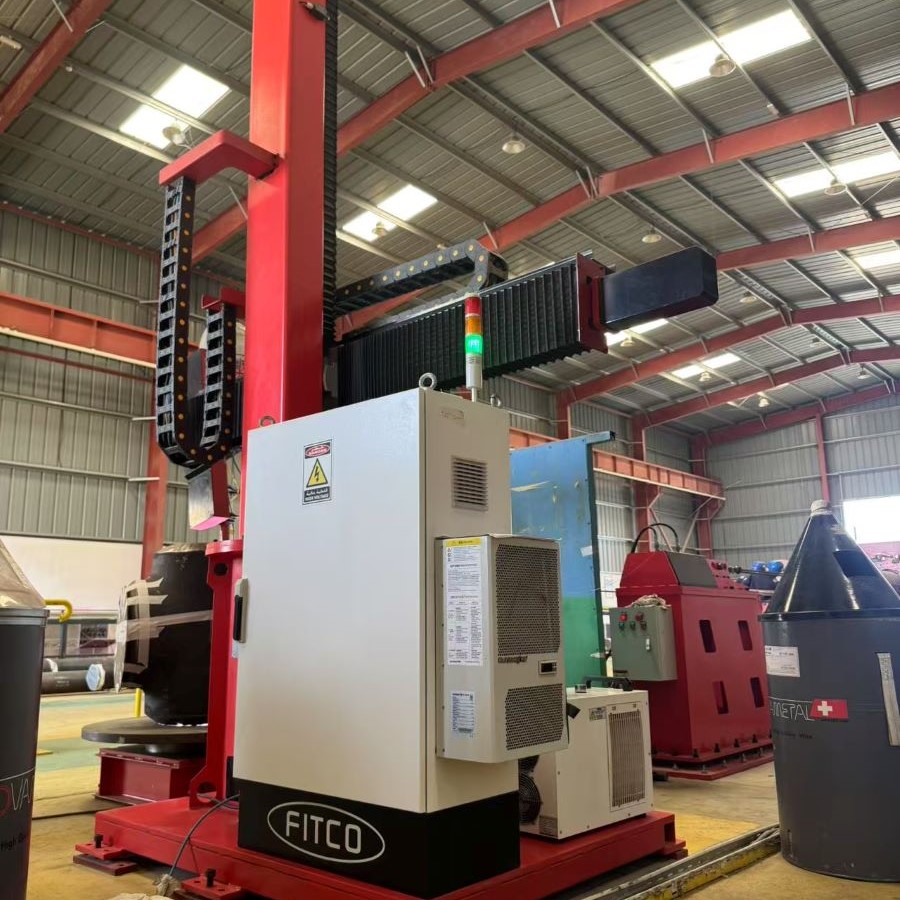
Selecting the right arc welding machine has become increasingly complex as technology advances and shop demands evolve. Modern arc welding machines offer capabilities that simply did not exist a decade ago, transforming how professional shops approach fabrication, repair, and production work. Understanding the features that matter most to your operation is essential for making an investment that will serve your business reliably and competitively. The evolution of arc welding machine design reflects real changes in industrial expectations around efficiency, safety, and output quality.

Today's professional arc welding machine market offers solutions tailored to specific industry verticals and production scales. Whether you operate a small fabrication shop, a heavy equipment repair facility, or a large-scale manufacturing operation, the right arc welding machine can dramatically improve throughput, reduce rework, and enhance welder safety. Choosing equipment requires knowledge of both technical specifications and practical workflow considerations that directly impact your bottom line and operational consistency.
Core Technical Features That Define Modern Arc Welding Machines
Advanced Power Delivery and Inverter Technology
Modern arc welding machines leverage inverter-based power delivery, which has revolutionized the industry. An arc welding machine built on inverter technology responds faster to arc fluctuations, maintains more stable voltage delivery, and consumes significantly less electrical power than older transformer-based designs. This efficiency translates to lower operating costs per weld joint and reduced demand on your facility's electrical infrastructure. Professional arc welding machine operators report more consistent bead appearance and improved penetration control when working with inverter units, which directly supports quality assurance protocols in regulated industries.
Digital Control Systems and Real-Time Monitoring
Every professional arc welding machine sold today includes some level of digital control capability. Advanced models feature touchscreen interfaces that display voltage, amperage, wire feed speed, and thermal status in real time. An arc welding machine equipped with intelligent monitoring can alert operators to drift conditions before defects occur, reducing scrap rates and rework expenses. Some systems record welding parameters to an internal log, supporting compliance documentation for aerospace, pressure vessel, and automotive applications where traceability is mandatory. This feature transforms your arc welding machine from a tool into a data-gathering asset that improves process control across your shop.
Operational Efficiency and Duty Cycle Considerations
Extended Duty Cycle Ratings
Duty cycle refers to the percentage of time an arc welding machine can operate continuously at rated output before requiring cooldown. Modern professional arc welding machines often feature 60 to 100 percent duty cycles, meaning they can run nearly continuously without thermal shutdown. A high-duty-cycle arc welding machine enables higher production throughput and allows shops to justify investment in a single unit rather than purchasing backup equipment. For high-volume fabrication environments, this capability directly reduces per-unit welding costs and eliminates downtime associated with equipment rotation.
Portability and Compact Design
Modern arc welding machine design emphasizes portability without sacrificing power output. Lightweight construction, integrated handle designs, and smaller footprints make contemporary arc welding machine units easier to move between job sites or within a large facility. Professional shops benefit from flexible equipment deployment, whether positioning an arc welding machine for on-site repair work or optimizing layout in a fabrication workshop. Compact arc welding machine designs also support space-constrained operations and mobile service vehicles where weight and dimensions directly impact operational feasibility.
Safety, Durability, and Long-Term Value
Thermal Management and Cooling Technology
Advanced thermal management is a defining feature of today's professional arc welding machine offerings. Integrated cooling fans, temperature sensors, and automatic shutdown protocols protect equipment and prevent catastrophic failure during intensive use. An arc welding machine with reliable thermal protection extends operational lifespan, reduces warranty claims, and maintains consistent performance even in demanding industrial environments. Many modern arc welding machine units include sealed components that resist dust and welding spatter, critical for shops operating in harsh conditions where environmental contamination can degrade equipment performance over time.
Material Compatibility and Versatility
Modern arc welding machine designs accommodate an expanding range of materials including stainless steel, aluminum, mild steel, and exotic alloys. Quick-change torch systems and adaptive wire feed mechanisms allow a single arc welding machine to handle multiple material types and thickness ranges with minimal reconfiguration. Professional shops appreciate this versatility because it reduces capital equipment needs and allows teams to respond quickly to diverse customer requirements. An arc welding machine capable of handling multiple processes—such as MIG, TIG, and stick welding—provides operational flexibility that smaller, single-process units cannot match.
FAQ
What is the primary advantage of an arc welding machine with inverter technology?
Inverter-based arc welding machine designs deliver significantly better power efficiency, faster response to arc fluctuations, and more stable voltage control compared to older transformer technology. This results in cleaner welds with improved penetration, lower electrical consumption, and reduced operating costs. An arc welding machine using inverter technology also tends to be lighter and more compact, supporting portability without sacrificing output capability.
How does duty cycle impact my choice of arc welding machine?
Duty cycle determines how long an arc welding machine can operate continuously before requiring cooldown. A professional arc welding machine rated at 100 percent duty cycle can run continuously at full rated output, while lower ratings require rest periods. High-volume production operations require high-duty-cycle arc welding machines to maximize throughput and avoid thermal shutdowns that interrupt workflow and reduce efficiency.
Can a modern arc welding machine handle multiple material types and processes?
Yes, contemporary professional arc welding machines increasingly feature multi-process capability through arc welding machine systems that support MIG, TIG, and stick welding in a single unit. Quick-change torches and adaptive wire feed systems allow operators to switch between processes and materials with minimal setup time, providing the versatility that modern fabrication shops demand.