
 EN
 AR
 BG
 HR
 CS
 DA
 NL
 FI
 FR
 DE
 EL
 HI
 IT
 JA
 KO
 NO
 PL
 PT
 RO
 RU
 ES
 SV
 TL
 IW
 ID
 LT
 UK
 SQ
 HU
 TH
 TR
 FA
 AF
 CY
 MK
 LA
 MN
 KK
 UZ
 KY
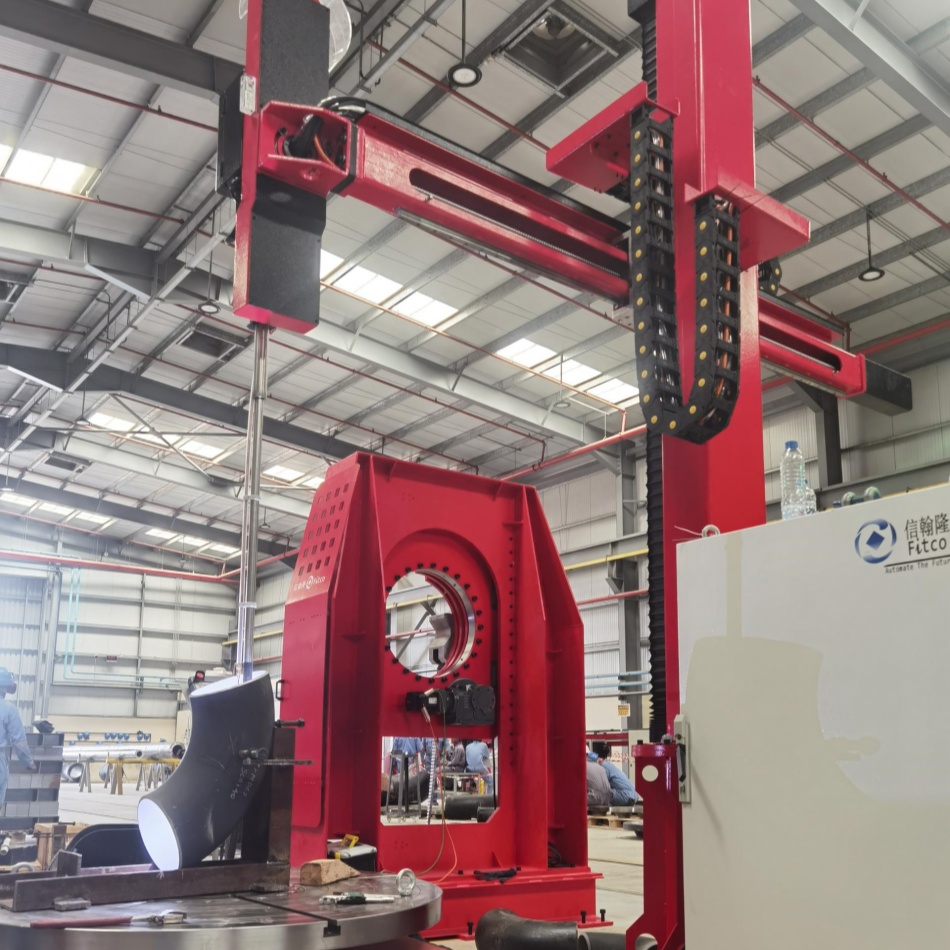
A welding machine is one of the most critical assets in any fabrication or construction operation, yet many operators struggle with unexpected failures that halt production and increase costs. Whether you work with MIG, TIG, or stick welding equipment, understanding common welding machine faults and how to troubleshoot them can save thousands in downtime and repair expenses. This guide walks you through the most frequent issues that affect welding machines and provides practical troubleshooting steps to get you back to production quickly.

A well-maintained welding machine delivers consistent arc quality, clean welds, and reliable performance across all processes. However, when faults develop, they often manifest as poor weld quality, inconsistent output, wire feed problems, or complete equipment shutdown. Recognizing these symptoms early and knowing how to diagnose them ensures minimal production loss and extends the operational life of your welding machine. The following sections break down the most common issues and provide step-by-step solutions.
Electrical and Power Supply Issues
Voltage Fluctuations and Insufficient Power
One of the leading causes of welding machine performance problems stems from electrical supply inconsistencies. If your welding machine shows unstable arc behavior, erratic amperage readings, or frequent tripping of internal circuit breakers, voltage fluctuations are likely the culprit. Most industrial welding machine units require stable three-phase power or properly sized single-phase circuits, and even minor voltage drops can severely impact weld quality and equipment lifespan.
To troubleshoot this issue, first verify that your facility's power supply matches the welding machine specifications. Use a multimeter to check incoming voltage at the main disconnect and again at the equipment's input terminals. If voltage dips below 90 percent of the welding machine's rated input, contact your electrical contractor to upgrade the circuit or install a voltage stabilizer. Also inspect all power cables connected to your welding machine for signs of damage, loose connections, or undersized wire gauges that may cause voltage drop.
Internal Power Module Failures
When a welding machine experiences complete power loss or won't ignite an arc despite proper electrical supply, the internal power module may be faulty. Most modern welding machine designs use solid-state inverter technology or transformer-based rectifiers that can fail due to thermal stress, moisture ingress, or component aging. Signs of power module failure include no display on the control panel, inability to strike an arc, or the welding machine shutting down immediately after startup.
Inspect the welding machine's cooling vents and ensure they remain clear of dust, debris, or paint overspray. If the welding machine has been operating in a humid environment, internal moisture may have caused corrosion on circuit boards. Allow the equipment to dry in a warm location for 24 hours, then attempt restart. If the welding machine still fails to power on, the internal power module likely requires professional repair or replacement, and you should contact a qualified technician familiar with your specific welding machine model.
Wire Feed and Arc Quality Problems
Inconsistent Wire Feeding and Blockages
Wire feed problems rank among the most frequently reported welding machine issues, causing spatter, weld porosity, and incomplete fusion. When your welding machine produces erratic feeding or stops mid-weld, the culprit is usually mechanical rather than electrical. Common causes include a kinked or damaged welding machine wire conduit, incorrect wire spool tension, expired or brittle filler wire, or dirt and residue inside the feed mechanism.
Start troubleshooting by removing the wire spool from your welding machine and visually inspecting the feed path from the motor to the contact tip. Look for flattened or crushed areas inside the welding machine conduit, which restrict wire movement. Replace any damaged conduit and ensure the drive rollers inside the welding machine feeding mechanism are properly aligned and not caked with oxidized wire material. If your welding machine has a wire straightener, confirm it is not set too tight, which can create excessive friction and cause the wire to slip. Test feed performance with a new spool of fresh wire before returning to production.
Poor Arc Stability and Spatter
When your welding machine produces a crackling, unstable arc accompanied by excessive spatter, the issue typically involves contact tip wear, improper shielding gas flow, or contaminated base material. The contact tip inside your welding machine is a consumable that gradually wears out, enlarging the opening and distorting the arc geometry. A worn contact tip causes the welding machine to deposit metal inconsistently, resulting in rough welds and wasted material.
To resolve arc stability issues with your welding machine, first replace the contact tip and inspect the wire liner for oxidation or carbon buildup. Check shielding gas flow using a flow meter; if your welding machine requires 20 CFM but only receives 15 CFM, arc coverage suffers and spatter increases dramatically. Verify that gas cylinders attached to your welding machine are not empty and that regulators are functioning correctly. Additionally, clean the base material thoroughly before welding. Oil, mill scale, or rust on the workpiece can cause the welding machine's arc to become unstable and produce inferior welds.
Cooling and Thermal Management Failures
Overheating and Automatic Shutdowns
Most modern welding machine equipment includes thermal protection that automatically reduces output or shuts down the unit when internal temperatures exceed safe limits. If your welding machine frequently enters a cool-down cycle or shuts off after short operating periods, inadequate cooling is the underlying problem. Overheating causes internal components to degrade faster, reduces weld quality, and eventually leads to expensive welding machine repairs or replacement.
Examine the cooling system of your welding machine first by checking intake and exhaust vents for blockages caused by dust, metal particles, or accumulated debris. Clean these areas using compressed air, directing the spray to push contaminants away from the welding machine internals. If your welding machine uses a water-cooled torch system, inspect coolant lines for leaks, kinks, or clogs that restrict flow. Stagnant coolant reduces heat transfer efficiency and forces your welding machine to work harder. For air-cooled welding machine models, verify that ambient temperature in your work area remains below 40 degrees Celsius during operation; hotter environments reduce the welding machine's ability to shed heat.
Coolant System Maintenance
Water-cooled welding machine torches demand regular maintenance to prevent coolant degradation and equipment damage. Over time, mineral buildup, algae growth, and corrosion inside coolant passages reduce the welding machine's cooling efficiency and can eventually cause catastrophic failure. Operators often overlook coolant maintenance until the welding machine begins overheating or the torch fails entirely.
Change coolant in your welding machine system according to manufacturer recommendations, typically every 12 to 24 months depending on usage intensity. Inspect coolant hoses for splits, bulges, or pinhole leaks that reduce system pressure and cooling capacity. If your welding machine's coolant lines have become discolored or cloudy, flush the entire system and refill with fresh coolant. Some welding machine models benefit from adding corrosion inhibitors or biocides to prevent internal scale formation and microbial growth. Keeping your welding machine coolant system clean directly improves arc stability and extends equipment lifespan.
FAQ
What causes a welding machine to produce weak or cold welds?
Weak welds typically result from insufficient amperage, contaminated base material, improper travel speed, or inadequate shielding gas coverage from your welding machine. Check that your welding machine amperage setting matches the wire diameter and joint configuration. Clean the workpiece of oil and rust before welding. Verify shielding gas flow and replace the contact tip if it is worn. If these adjustments do not resolve the issue, your welding machine may require recalibration by a qualified technician.
How often should I perform maintenance on my welding machine?
A properly maintained welding machine should receive daily inspection of cooling vents, wire condition, and contact tips. Weekly cleaning of air filters and inspection of power cables help prevent unexpected failures. Monthly coolant changes for water-cooled welding machine torches and replacement of consumable parts ensure consistent performance. Schedule professional service for your welding machine annually or after every 1,000 operating hours to check internal components and recalibrate settings.
Can I repair a welding machine power module myself?
Internal power modules in modern welding machine equipment contain high-voltage components that pose serious safety hazards to untrained personnel. Attempting repairs on your welding machine power module risks electrocution, equipment damage, and warranty voiding. Always contact the manufacturer or a certified welding machine technician for internal component repairs. A professional can safely diagnose whether your welding machine module requires adjustment, recalibration, or replacement and restore it to factory specifications.